
Invertebrate · GBIF taxon 5742390
Megarian Banded Centipede
Scolopendra cingulataAlso known as Mediterranean Banded Centipede, European Banded Centipede
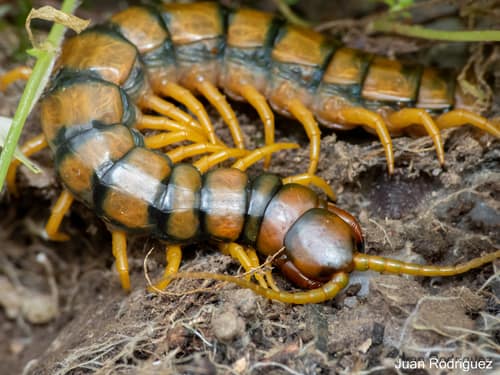
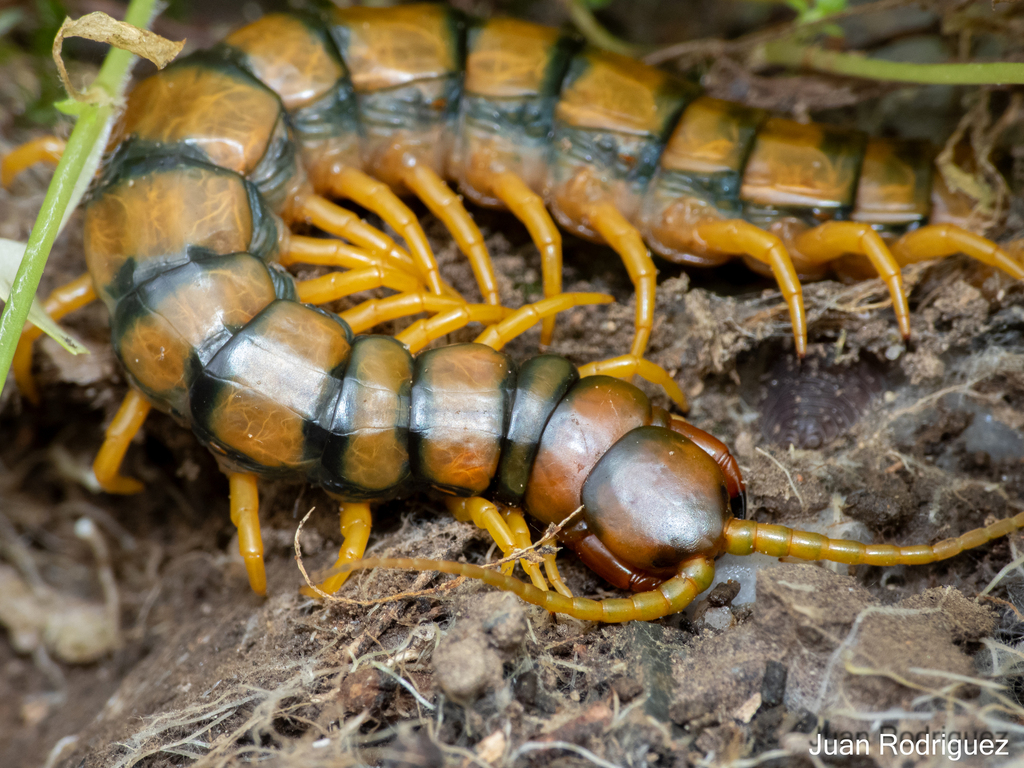
Megarian banded centipedes are stealthy nocturnal hunters that prowl the warm rocky scrublands of southern Europe and North Africa. They use modified front legs called forcipules to paralyze crickets, spiders, and tiny reptiles with a potent cocktail of venom. Female centipedes demonstrate remarkable maternal care, coiling around their eggs and newly hatched offspring for weeks to defend them from mold and predators.
NocturnalVenomousPredatory
 1 / 7
1 / 7—observations
—countries
—peak records
Not EvaluatedConservation statusIUCN Red List categoriesLCNTVUENCREWEXNot Evaluated — not placed on the risk ladderRed List categories, explained →
Diet & prey
- Insects
- Spiders
- Small Lizards
Predators
- Birds
- Hedgehogs
- Lizards
ThreatsHabitat destruction, pesticide use, intentional destruction by humans
HabitatsMediterranean scrub, garrigue, olive groves, under stones
Life span3–7 years
Size / weightNot available
Classification
- FamilyScolopendridae
- SpeciesScolopendra cingulata
Range data is not available yet.
Interaction riskVery high
- Low
- Moderate
- High
- Very high
- Why interaction risk is very high
- Delivers a painful venomous pinch with altered legs; observe without handling or trapping.
- Why it is dangerous
- Injects venom containing cytolysins and neurotoxic components via modified forelegs, causing intense burning pain, swelling, and localized inflammation.
- How to recognize a risky encounter
- Recognizable by alternating yellowish-orange and dark brown body bands with bright yellow-orange legs.
- What to do
- Never handle bare-handed. If encountered under a stone, remain calm and give the centipede space to retreat.
Responsible observation
- Safe distance: Observe from at least a meter away and avoid poking under rocks with bare hands.
- Flipping debris: Use a stick or wear thick leather gloves when turning over stones in sunny Mediterranean scrub.
- Night searching: Use a flashlight or UV light after dusk to spot individuals roaming open ground.
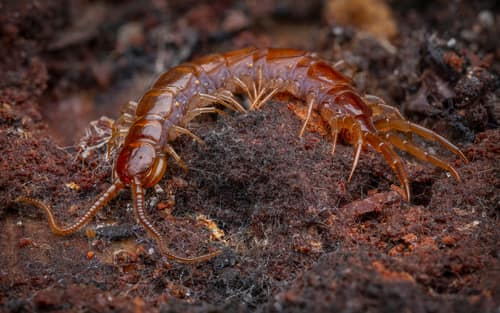
Competitor (c) Alexis Tinker-Tsavalas, some rights reserved (CC BY), uploaded by Alexis Tinker-Tsavalas · cc-by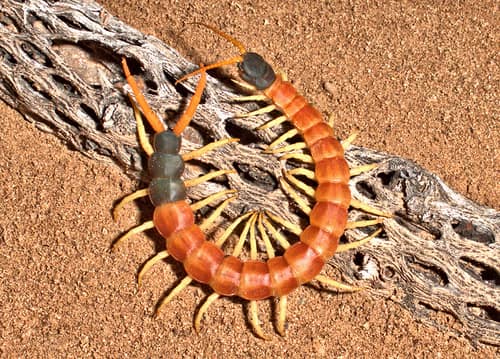
Close Relative (c) gilaman, some rights reserved (CC BY) · cc-by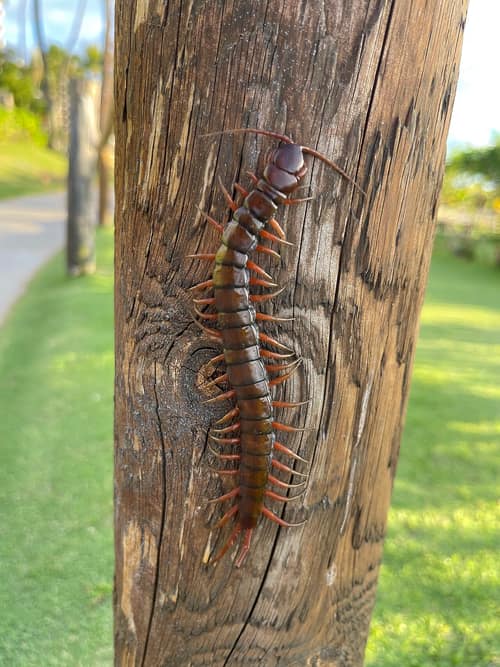
Close Relative Richard N Horne / CC BY-SA 4.0 · cc-by-sa
Help improve the field guideSomething wrong?
Checking your Fauna account…Report a name, category, or profile issue for review.