
Invertebrate
Compost Worm
Dendrobaena venetaAlso known as European Nightcrawler, Belgian Nightcrawler, Blue Worm
Compost worms are robust, epigeic earthworms that thrive in cool, moist layers of decaying organic matter rather than deep mineral soil. They process leaf litter and decomposing vegetative material rapidly, converting decaying debris into nutrient-dense vermicompost that enriches topsoil. Popular in managed composting systems, they are notably cold-tolerant and can remain active at temperatures lower than those tolerated by other common composting earthworms.
DetritivoreNocturnalSoil Dweller
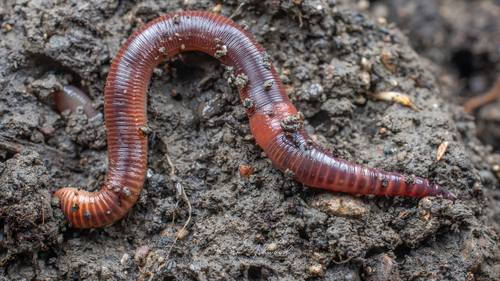
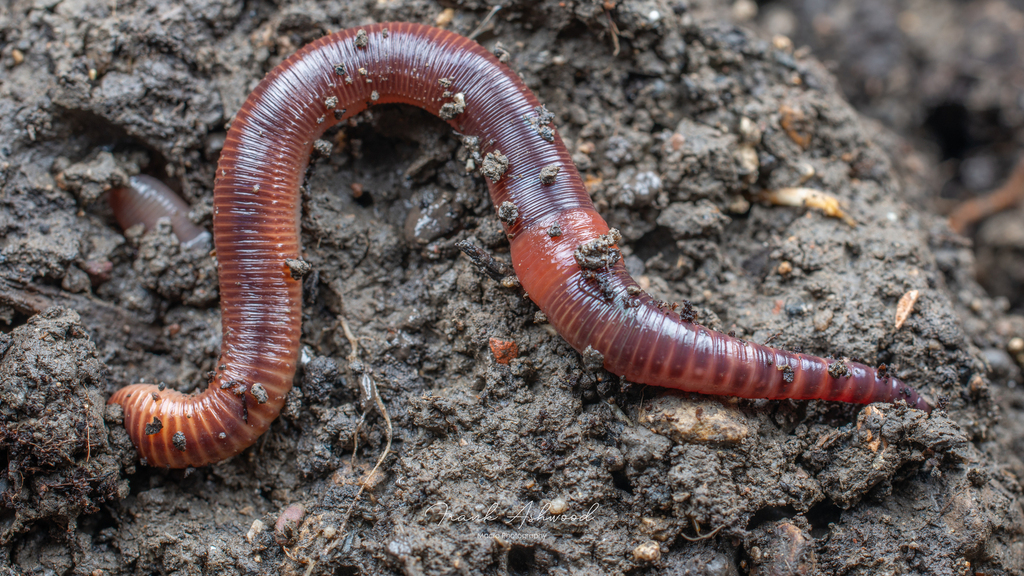
—observations
—countries
—peak records
Not EvaluatedConservation statusIUCN Red List categoriesLCNTVUENCREWEXNot Evaluated — not placed on the risk ladderRed List categories, explained →
Diet & preyDecaying Plant Tissue, Soil Bacteria, Fungal Spores
Predators
- American Robin
- European Mole
- Common Toad
ThreatsSevere soil desiccation, heavy chemical contamination, and extreme freezing
HabitatsForest leaf litter, compost heaps, rich garden soil, and decaying logs
Life span2–4 years
Classification
- FamilyLumbricidae
- SpeciesDendrobaena veneta
Range data is not available yet.
Interaction riskLow
- Low
- Moderate
- High
- Very high
- Why interaction risk is low
- Safe to observe at a normal distance.
Responsible observation
- Moisture Care: Keep hands damp if handling to avoid drying out their delicate, permeable skin.
- Compost Observation: Gently peel back top layers of moist compost bins or mulch to watch them feed undisturbed.
- Light Avoidance: Use red or dim light when viewing at night, as they quickly retract from bright white light.

Composting Companion (c) Steve Kerr, some rights reserved (CC BY), uploaded by Steve Kerr · cc-by
Same Family (c) alicia penney, some rights reserved (CC BY), uploaded by alicia penney · cc-by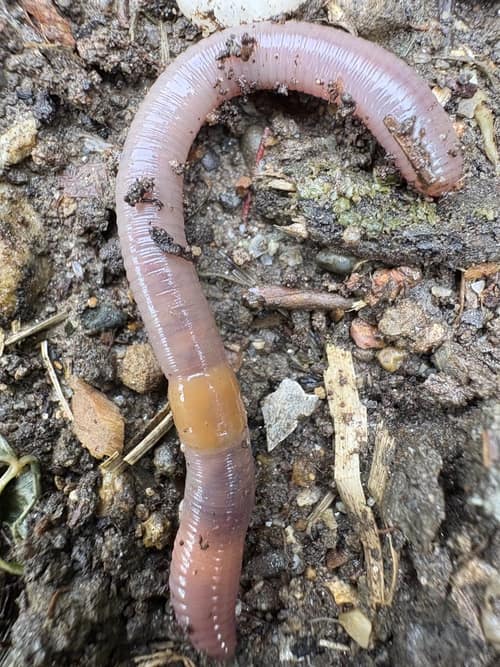
Same Family (c) Lukas Radischnig, some rights reserved (CC BY), uploaded by Lukas Radischnig · cc-by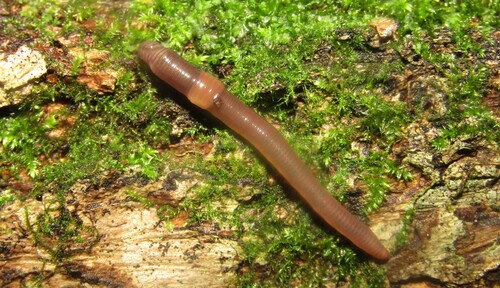
Close Relative (c) snaily_naily, certains droits réservés (CC BY), publiées par snaily_naily · cc-by
Help improve the field guideSomething wrong?
Checking your Fauna account…Report a name, category, or profile issue for review.