
Invertebrate
Geography Cone
Conus geographusAlso known as Geographer Cone, Geographic Cone
Gliding across coral reefs under the cover of darkness, the geography cone uses a chemical hunting strategy, releasing an insulin-rich cocktail into the water that sends resting fish into hypoglycemic shock. Once its target is sluggish and disoriented, the snail extends a flexible, net-like false mouth to engulf the fish entirely before firing a modified radular tooth packed with lethal conotoxins. It possesses the most toxic venom of any known snail, historically responsible for dozens of human fatalities.
VenomousNocturnalMarine
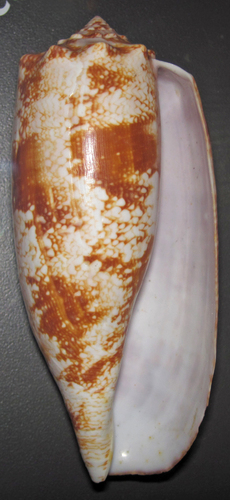
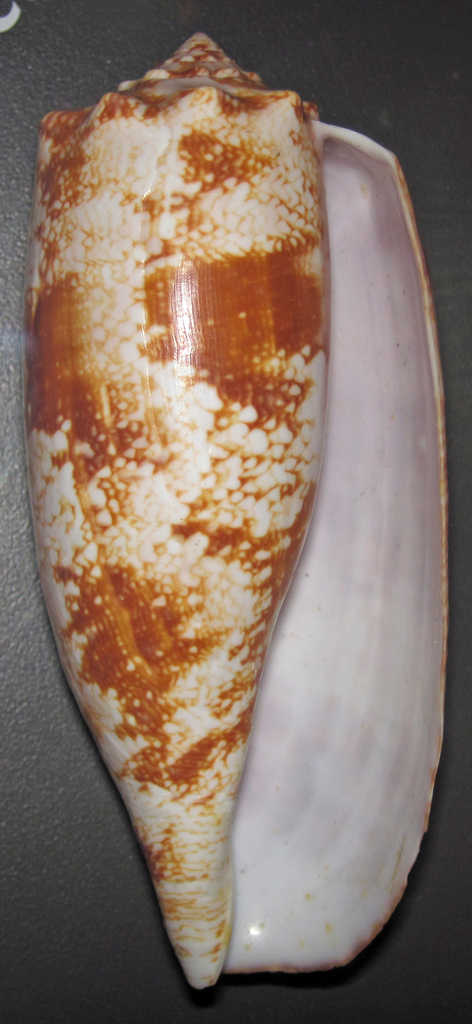
—observations
—countries
—peak records
Least ConcernConservation statusIUCN Red List categoriesLCNTVUENCREWEXLeast ConcernRed List categories, explained →
Diet & preyDamselfish, Gobies, Blennies
Predators
- Large stingrays
- Octopuses
- Large sea turtles
ThreatsCoral reef degradation, warming oceans, and shell collection
HabitatsTropical coral reefs, lagoon shallows, and sandy reef flats
Life span10–20 years
Classification
- OrderNeogastropoda
- FamilyConidae
- GenusConus
- SpeciesConus geographus
Range data is not available yet.
Interaction riskVery high
- Low
- Moderate
- High
- Very high
- Why interaction risk is very high
- Extremely venomous and potentially fatal to humans; never touch or handle live specimens.
- Why it is dangerous
- Harpoon delivers a potent blend of conotoxins that causes respiratory paralysis, cardiac failure, and death within hours.
- How to recognize a risky encounter
- Look for a large, thin-lipped, brown-and-white mottled cylindrical shell with a broad, flaring aperture.
- What to do
- Never handle live shells under any circumstances; seek immediate emergency life support and artificial respiration if stung.
Responsible observation
- Look from a distance: Observe live shells on the reef floor without touching or disturbing the substrate.
- Never collect live shells: Inspect empty shells cautiously, as snails can hide deep inside the aperture.
- Wear thick footwear: Step carefully in sandy shallows, as buried individuals can sting through light fabric.
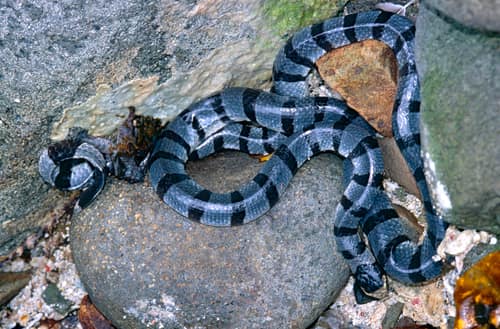
Competitor (c) Bernard DUPONT, some rights reserved (CC BY-SA) · cc-by-sa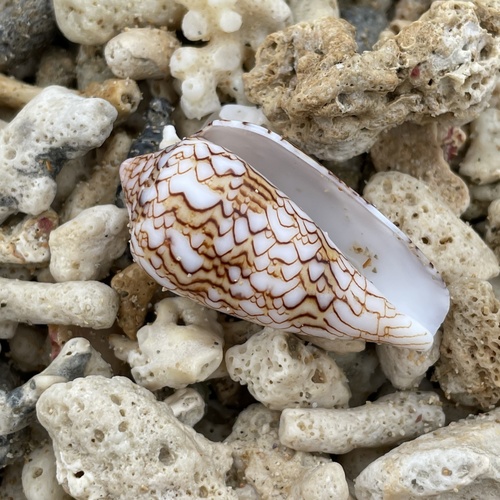
Close Relative (c) Takaaki Hattori, some rights reserved (CC BY), uploaded by Takaaki Hattori · cc-by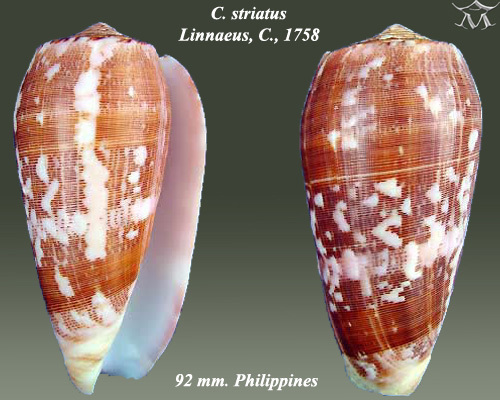
Close Relative (c) Almed2, some rights reserved (CC BY-SA) · cc-by-sa
Help improve the field guideSomething wrong?
Checking your Fauna account…Report a name, category, or profile issue for review.