
Insect
Kamehameha Butterfly
Vanessa tameameaAlso known as Pulelehua, Lepelepe-o-Hina, Hawaiian Red Admiral
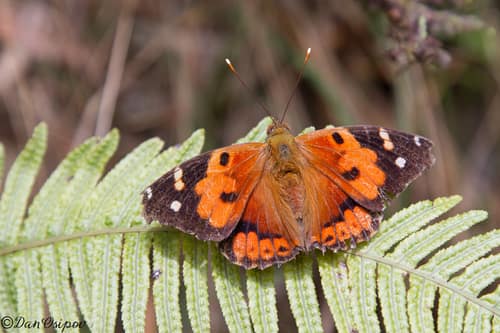
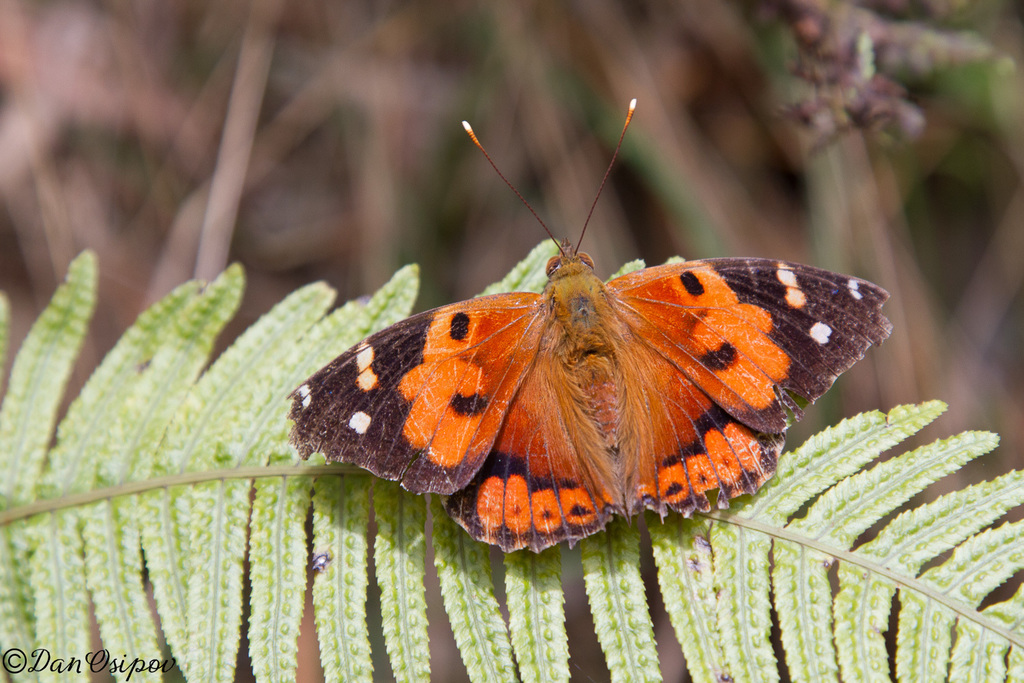
Kamehameha butterflies flash brilliant orange and dark brown wings as they glide through high-elevation native Hawaiian forests. Females lay eggs almost exclusively on native nettles like mamaki, where young caterpillars roll leaf edges with silk to create protective shelters. Adults prefer feeding on oozing tree sap and decaying koa fruit over flower nectar, making them distinct forest dwellers.
EndemicPollinatorDiurnal
—observations
—countries
—peak records
VulnerableConservation statusIUCN Red List categoriesLCNTVUENCREWEXVulnerableRed List categories, explained →
Diet & preyMamaki leaf tissue, Tree sap, Fermenting fruit
Predators
- Invasive ants
- Parasitoid wasps
- Introduced songbirds
ThreatsHabitat loss, invasive ants, parasitoid wasps, introduced birds
HabitatsMesic and wet native Hawaiian forests, mountain gulches
Life span2–4 months
Classification
- FamilyNymphalidae
- SpeciesVanessa tameamea
Range data is not available yet.
Interaction riskLow
- Low
- Moderate
- High
- Very high
- Why interaction risk is low
- Safe to observe at a normal distance.
- What to notice
- Recognizable by vibrant orange-red wings with black borders and white spots in native high-elevation forests.
- Support conservation
- Observe from a distance without touching host plants or unwrapping rolled mamaki leaves.
Responsible observation
- Spotting: Look for adults along sunny forest trails near wounded koa trees or mamaki patches.
- Caterpillar Sign: Search for rolled leaf edges on mamaki bushes, which shelter growing larvae.
- Observation: Approach slowly while adults are basking or feeding on sap to avoid startling them.
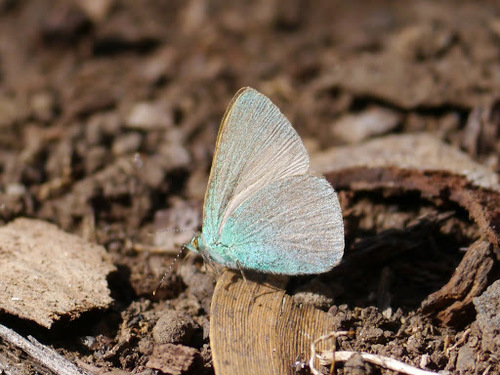
Co-occurring Endemic (c) 116916927065934112165, some rights reserved (CC BY), uploaded by 116916927065934112165 · cc-by Image unavailable
Host Plant 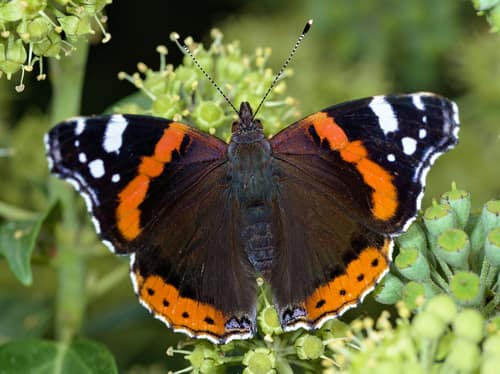
Close Relative (c) Gilles San Martin, some rights reserved (CC BY-SA), uploaded by Gilles San Martin · cc-by-sa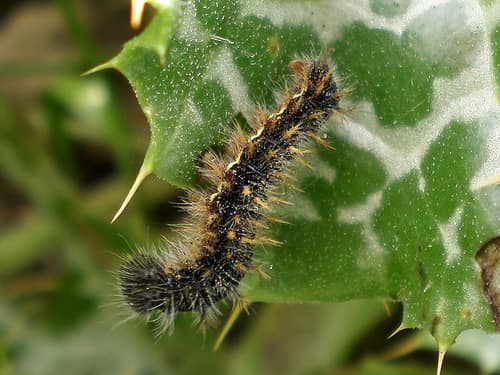
Close Relative no rights reserved, uploaded by Joan C. Hinojosa · cc0
Help improve the field guideSomething wrong?
Checking your Fauna account…Report a name, category, or profile issue for review.