
Species · GBIF taxon 5712056
Mummichog
Fundulus heteroclitusAlso known as Atlantic Killifish, Mummy, Gudgeon, Mud Minnow
Mummichogs thrive in environmental extremes that would kill most other fish, enduring plummeting oxygen levels, dramatic temperature swings, and severe industrial pollution along Atlantic estuaries. These small, thick-bodied killifish weave through salt marsh grasses during high tide to feed on insects and crustaceans, returning to deep pools or muddy burrows when the tide recedes. Their extraordinary physiological resilience made them famous as the first fish flown into space aboard Skylab in 1973.
Salt MarshHardyEstuarine
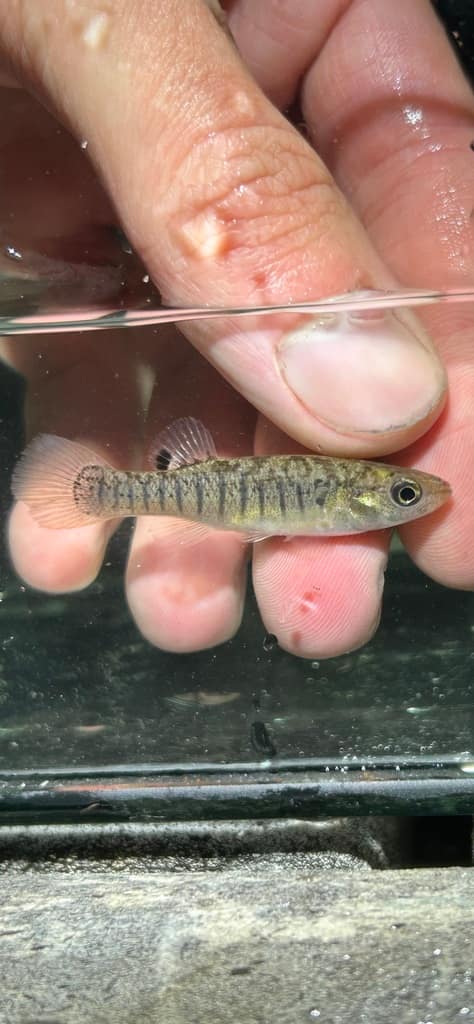
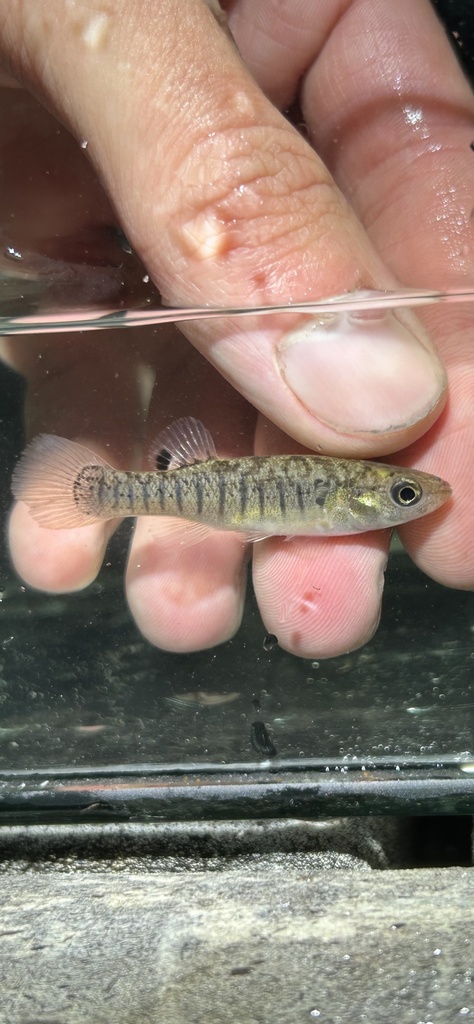
—observations
—countries
—peak records
Least ConcernConservation statusIUCN Red List categoriesLCNTVUENCREWEXLeast ConcernRed List categories, explained →
Diet & prey
- Amphipods
- Mosquito Larvae
- Filamentous Algae
Predators
- Striped Bass
- Great Egret
- Blue Crab
ThreatsCoastal development, wetland degradation, and chemical pollution
HabitatsSalt marshes, estuaries, tidal creeks, and brackish bays
Life span3–4 years
Classification
- OrderCyprinodontiformes
- FamilyFundulidae
- GenusFundulus
- SpeciesFundulus heteroclitus
Range data is not available yet.
Interaction riskLow
- Low
- Moderate
- High
- Very high
- Why interaction risk is low
- Safe to observe at a normal distance.
Responsible observation
- Marsh Watching: Look for them splashing in shallow tidal trickles and flooded marsh grass at high tide.
- Handling Caution: Handle gently with wet hands or soft nets to protect their protective slime layer.
- Ecosystem Role: Observe how their high abundance supports wading birds and predatory game fish.
 Image unavailable
Competitor 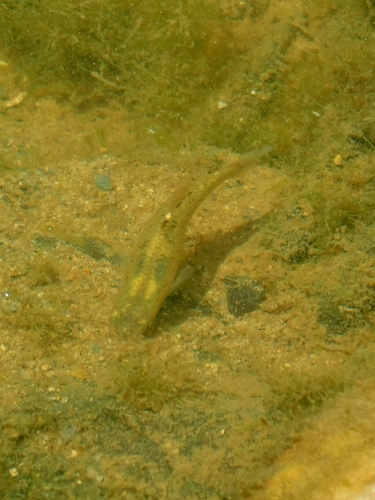
Close Relative (c) Michael J. Papay, some rights reserved (CC BY) · cc-by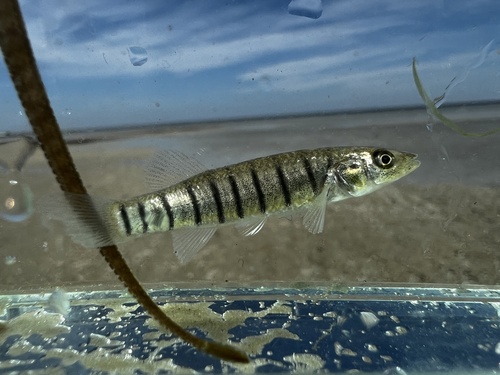
Close Relative (c) Nick Tobler (Cowturtle), some rights reserved (CC BY) · cc-by
Help improve the field guideSomething wrong?
Checking your Fauna account…Report a name, category, or profile issue for review.