
Species · GBIF taxon 5712054
Banded Killifish
Fundulus diaphanusAlso known as Barred Killifish, Banded Topminnow, Freshwater Mummichog
Banded killifish patrol shallow, weed-filled shorelines in dense schools, darting through vegetation in search of tiny aquatic invertebrates. Their slender bodies feature 12 to 20 dark vertical bars that break up their outline against sunlit water and submerged plants. Highly adaptable to varying salinity, these small fish control insect larvae populations while serving as vital forage for larger freshwater predators.
FreshwaterSchoolingAquatic
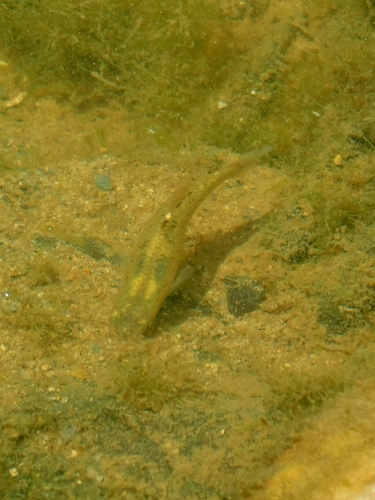
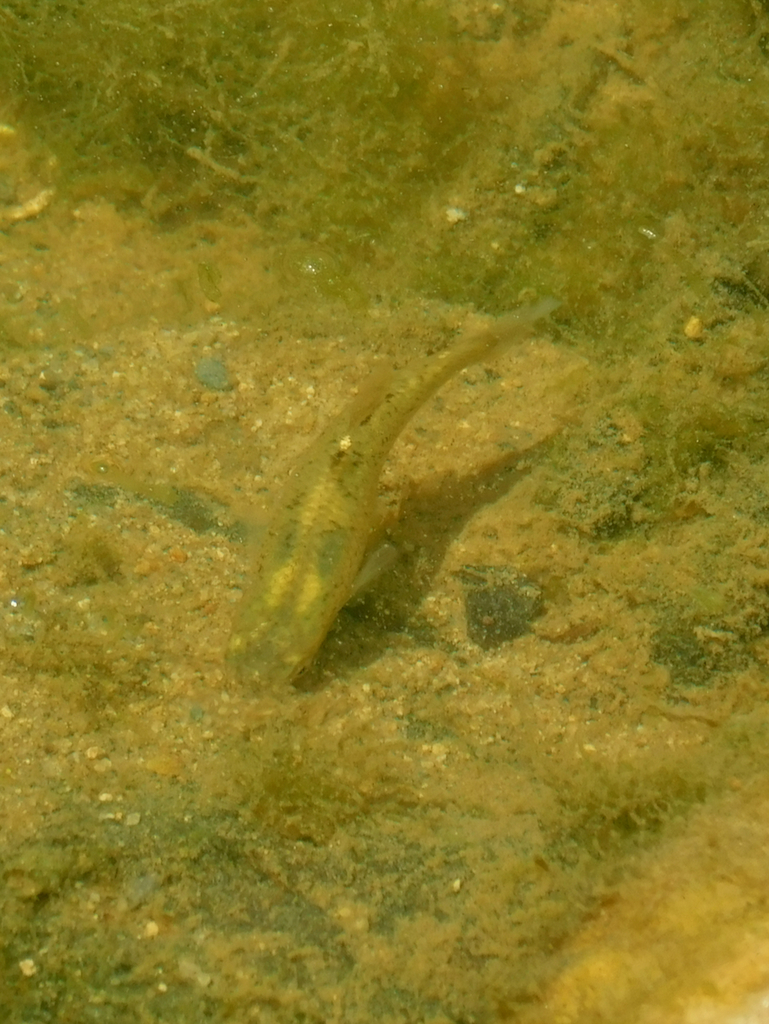
—observations
—countries
—peak records
Least ConcernConservation statusIUCN Red List categoriesLCNTVUENCREWEXLeast ConcernRed List categories, explained →
Diet & prey
- Mosquito Larvae
- Water Fleas
- Amphipods
Predators
- Largemouth Bass
- Great Blue Heron
- Belted Kingfisher
ThreatsHabitat loss, shoreline development, water pollution, invasive predators
HabitatsShallow freshwater lakes, ponds, quiet river margins, and brackish estuaries
Life span2–3 years
Classification
- OrderCyprinodontiformes
- FamilyFundulidae
- GenusFundulus
- SpeciesFundulus diaphanus
Range data is not available yet.
Interaction riskLow
- Low
- Moderate
- High
- Very high
- Why interaction risk is low
- Safe to observe at a normal distance.
Responsible observation
- Look in Shallow Water: Search sunny, quiet shorelines and weed beds where small schools forage.
- Observe Quietly: Approach the water edge slowly, as sudden shadows cause the school to scatter.
- Check the Bars: Look for dark vertical bands along the olive-green body to distinguish it from minnows.
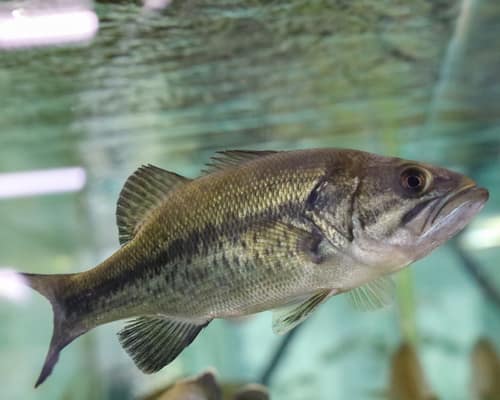
Predator (c) Oak Ridge National Laboratory, some rights reserved (CC BY) · cc-by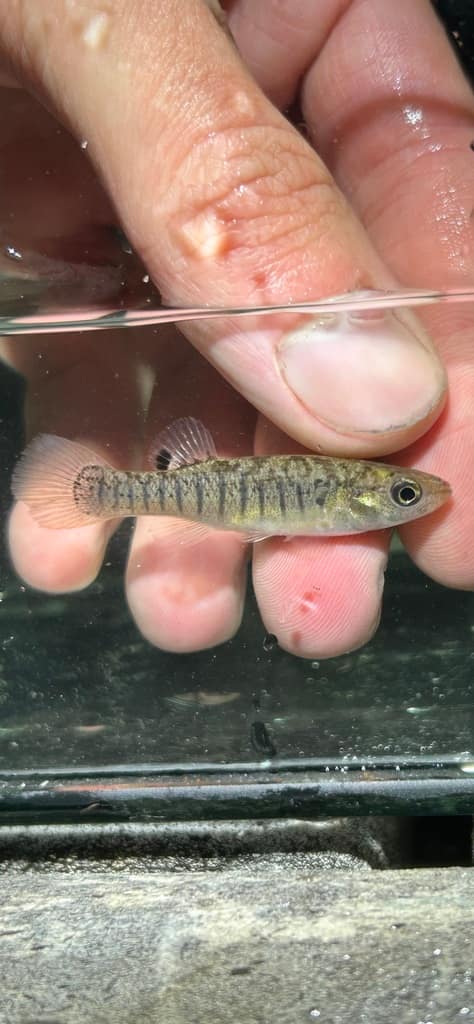
Close Relative (c) James-LaFontaine, some rights reserved (CC BY) · cc-by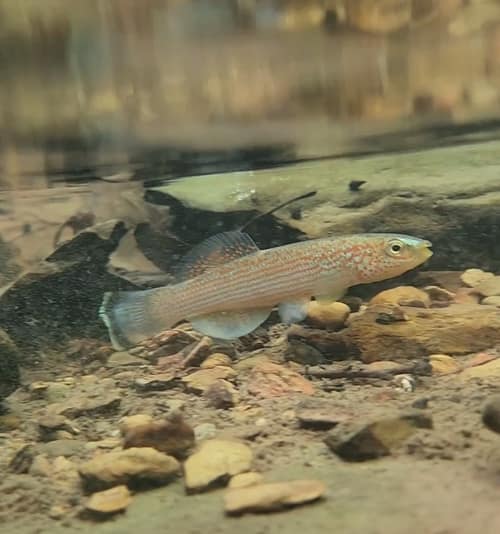
Close Relative (c) Dominic, some rights reserved (CC BY), uploaded by Dominic · cc-by
Help improve the field guideSomething wrong?
Checking your Fauna account…Report a name, category, or profile issue for review.