
Fish · GBIF taxon 5711989
Bonneville Cutthroat Trout
Oncorhynchus clarkii utahAlso known as Bonneville Cutthroat
The Bonneville Cutthroat Trout is a native interior trout with an olive to silvery body, dark spots concentrated toward the tail, and orange-red slashes beneath the lower jaw. It occupies cold streams and lakes within the ancient Bonneville Basin.
Native CutthroatColdwater FishBonneville Basin
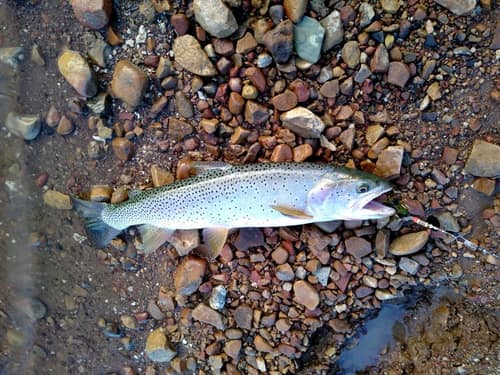
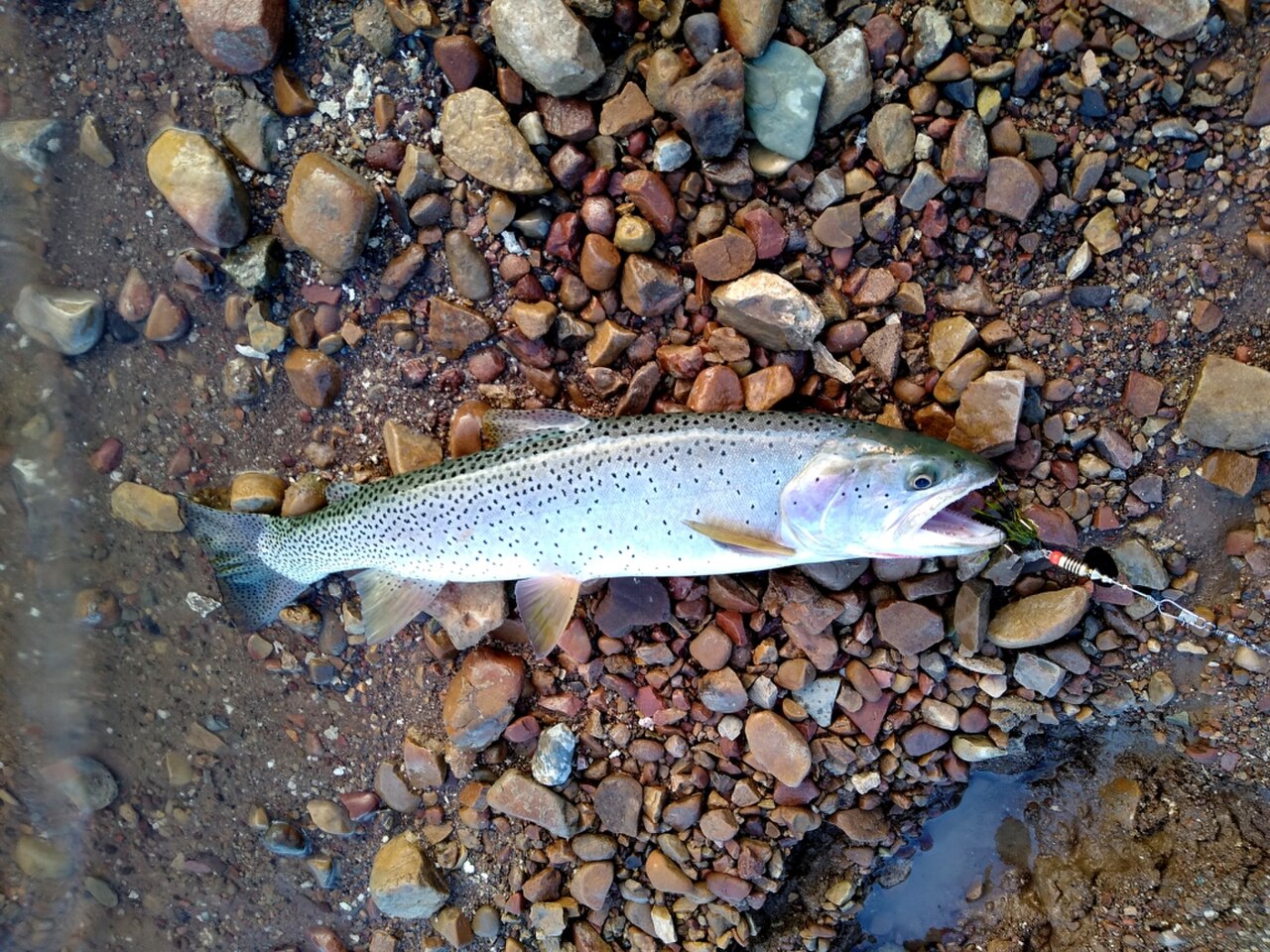
Licensed referenceBRTorgersen / CC BY-SA 4.0 · cc-by-sa
—observations
—countries
—peak records
Not EvaluatedConservation statusIUCN Red List categoriesLCNTVUENCREWEXNot Evaluated — not placed on the risk ladderRed List categories, explained →
Diet & prey
- Mayfly nymphs
- Caddisfly larvae
- Small minnows
Predators
- Ospreys
- River otters
- Larger trout
ThreatsHybridization and competition with introduced trout, water diversion, dams, habitat fragmentation, sediment, and warming streams
HabitatsCold headwater streams, rivers, springs, reservoirs, and lakes in Great Salt Lake and Sevier Lake drainages
Life spanOften five to ten years, with lake-dwelling fish capable of longer survival
Size / weightNot available
Classification
- FamilySalmonidae
- SpeciesOncorhynchus clarkii utah
Range data is not available yet.
Interaction riskLow
- Low
- Moderate
- High
- Very high
- Why interaction risk is low
- Follow all fishing closures and decontaminate gear to avoid moving pathogens or invasive organisms between waters.
Responsible observation
- Throat: Look for orange-red slashes beneath the lower jaw without removing the fish from water.
- Spots: Note larger dark spots concentrated across the rear body and tail.
- Angling: Obey native-trout regulations and use wet hands only when legal handling is unavoidable.
Help improve the field guideSomething wrong?
Checking your Fauna account…Report a name, category, or profile issue for review.