
Fish · GBIF taxon 5711974
Arctic Grayling
Thymallus arcticusAlso known as Sailfin Grayling, Montana Grayling
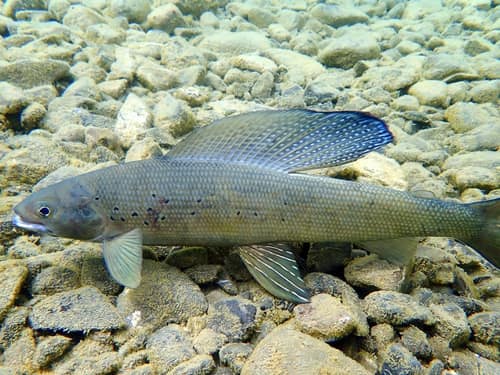
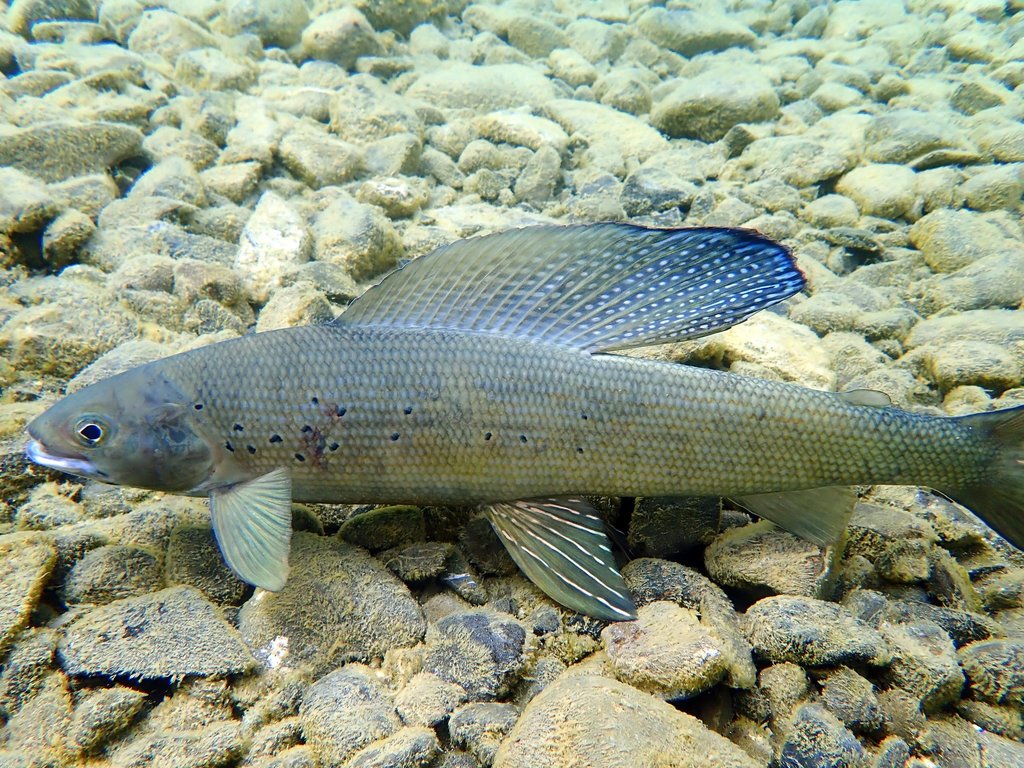
Arctic grayling feature a magnificent sail-like dorsal fin iridescent with violet, aqua, and rose spots. Thriving in pristine, oxygen-rich subarctic rivers and alpine lakes, these surface feeders rise eagerly to inspect drifting insects and aquatic larvae. During spring spawning, adults migrate upstream to shallow gravel beds where males display their towering fins to defend territory and court females.
ColdwaterSport FishColorful
 1 / 7
1 / 7—observations
—countries
—peak records
Least ConcernConservation statusIUCN Red List categoriesLCNTVUENCREWEXLeast ConcernRed List categories, explained →
Diet & prey
- Mayflies
- Caddisflies
- Midges
Predators
- Northern Pike
- Lake Trout
- River Otter
ThreatsClimate warming, water pollution, siltation, invasive trout, habitat fragmentation
HabitatsCold clear streams, boreal rivers, alpine lakes, tundra tarns
Life span10–18 years
Size / weightNot available
Classification
- OrderSalmoniformes
- FamilySalmonidae
- GenusThymallus
- SpeciesThymallus arcticus
Range data is not available yet.
Interaction riskLow
- Low
- Moderate
- High
- Very high
- Why interaction risk is low
- Safe to observe at a normal distance.
- What to notice
- Recognized by an oversized, sail-like dorsal fin patterned with vivid orange, green, and red spots.
- Support conservation
- Practice quick catch-and-release with barbless hooks, keeping the fish fully submerged at all times.
Responsible observation
- Polarized Glasses: Wear polarized sunglasses to spot iridescent fins in clear, fast-moving currents.
- Mind Water Temperature: Avoid playing or handling grayling when water temperatures exceed 15 degrees Celsius.
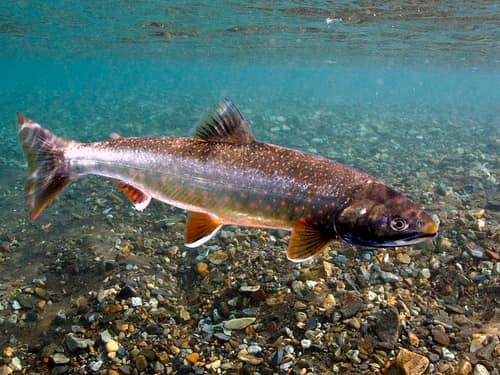
Competitor (c) Bering Land Bridge National Preserve, some rights reserved (CC BY-SA) · cc-by-sa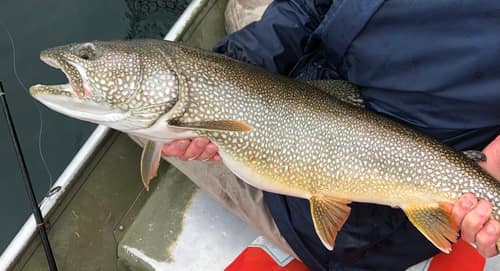
Predator (c) Lythronax246, some rights reserved (CC BY), uploaded by Lythronax246 · cc-by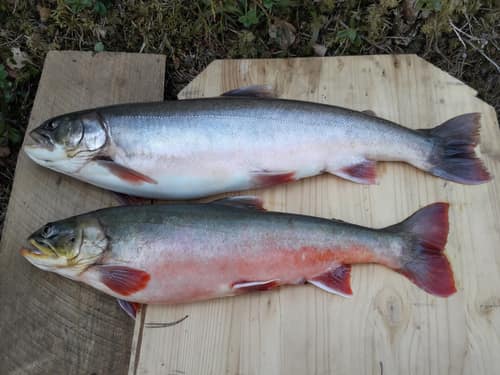
Frequent Companion (c) Anders Gravbrøt Finstad, some rights reserved (CC BY-SA) · cc-by-sa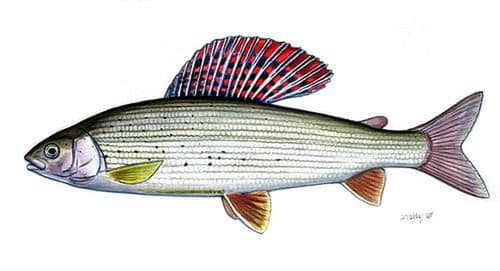
Close Relative Zsoldos Márton / CC BY-SA 3.0 · cc-by-sa
Help improve the field guideSomething wrong?
Checking your Fauna account…Report a name, category, or profile issue for review.