
Mammal
Sumatran Orangutan
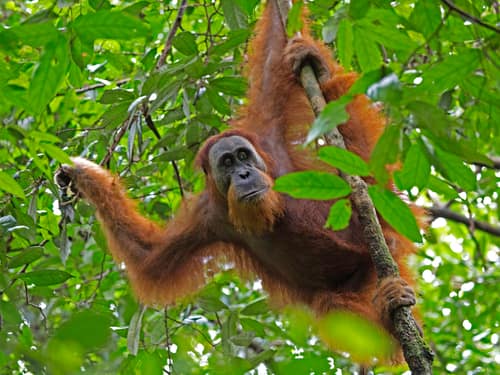
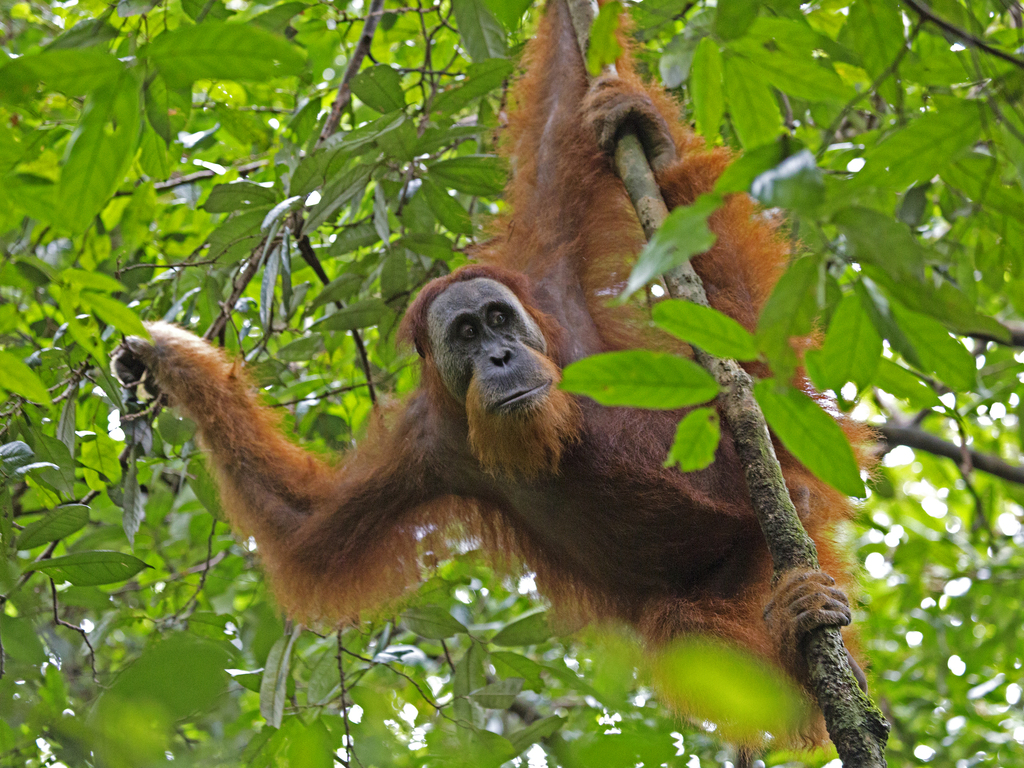
Pongo abeliiSumatran orangutans spend almost their entire lives high in the forest canopy, constructing elaborate night nests from leafy branches every single evening. Possessing long reddish fur and broad cheek pads on dominant males, they rely on complex mental maps to locate fruiting trees across vast home ranges. Mothers nurse and teach a single infant for up to eight years, giving them the longest inter-birth interval of any wild mammal.
ArborealFrugivorePrimate
—observations
—countries
—peak records
Critically EndangeredConservation statusIUCN Red List categoriesLCNTVUENCREWEXCritically EndangeredRed List categories, explained →
Diet & preyFigs, Durians, Termites
Predators
- Sumatran Tiger
- Clouded Leopard
ThreatsDeforestation for palm oil agriculture, timber logging, road development, and illegal wildlife trade
HabitatsLowland tropical rainforests, dipterocarp forests, and peat swamp forests
Life span40–50 years in the wild
Classification
- FamilyHominidae
- SpeciesPongo abelii
Range data is not available yet.
Interaction riskHigh
- Low
- Moderate
- High
- Very high
- Why interaction risk is high
- Powerful wild primates; keep a respectful distance and follow guide instructions.
- Why it is dangerous
- Dominant males weigh up to 90 kg with immense upper-body strength and long canine teeth capable of inflicting severe bite wounds when threatened.
- How to recognize a risky encounter
- Look for bright orange-red coats, long arms, and in mature males, wide cheek flanges and large throat pouches.
- What to do
- Never approach a wild primate, do not step between a mother and her young, and quietly back away if an individual moves toward you.
- What to notice
- Recognized by its long reddish hair, tall canopy presence in northern Sumatra, and long vocal calls echoing through the trees.
- Support conservation
- Observe silently without using flash photography, stay on designated park trails, and support certified eco-tourism programs.
Responsible observation
- Hire Licensed Guides: Visit protected areas like Gunung Leuser National Park only with certified local tracking guides.
- Maintain Safe Distance: Stay at least 10 meters away to prevent stress and lower the risk of transmitting human pathogens.
- Do Not Feed: Never offer food, which alters natural foraging behaviors and increases human conflict risks.
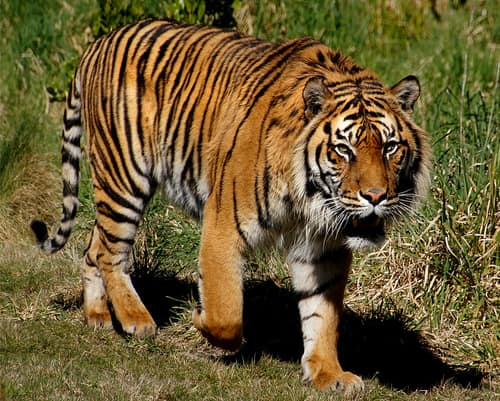
Predator "Sumatran Tiger." by Bernard Spragg is marked with CC0 1.0. To view the terms, visit https://creativecommons.org/publicdomain/zero/1.0/. · cc0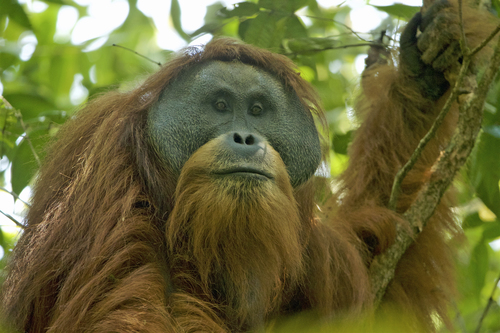
Close Relative (c) Tim Laman, some rights reserved (CC BY) · cc-by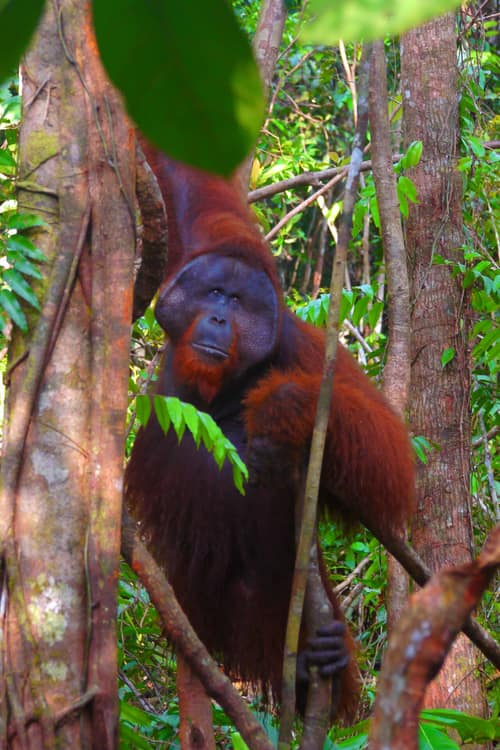
Close Relative Nanosanchez / CC BY-SA 4.0 · cc-by-sa
Help improve the field guideSomething wrong?
Checking your Fauna account…Report a name, category, or profile issue for review.