
Plant · GBIF taxon 5688562
Jelly Bean Plant
Sedum rubrotinctumAlso known as Pork and Beans, Jelly-Beans, Christmas Cheer
Jelly bean plants sport plump, jelly-bean-shaped leaves that turn bright red when exposed to intense sun or cool temperatures. Small star-shaped yellow flowers bloom in late spring from the tips of trailing, fragile stems. These drought-hardy succulents root easily wherever loose leaves drop onto porous, well-draining soil.
SucculentDrought TolerantEasy to Propagate
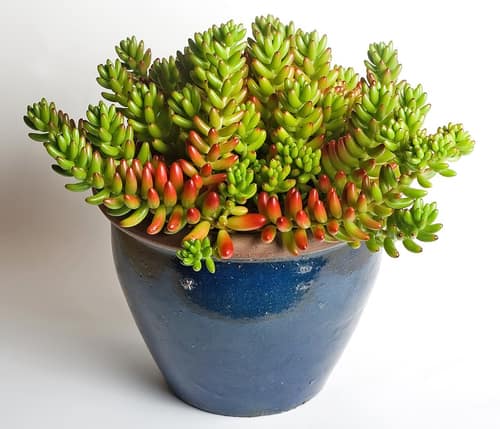
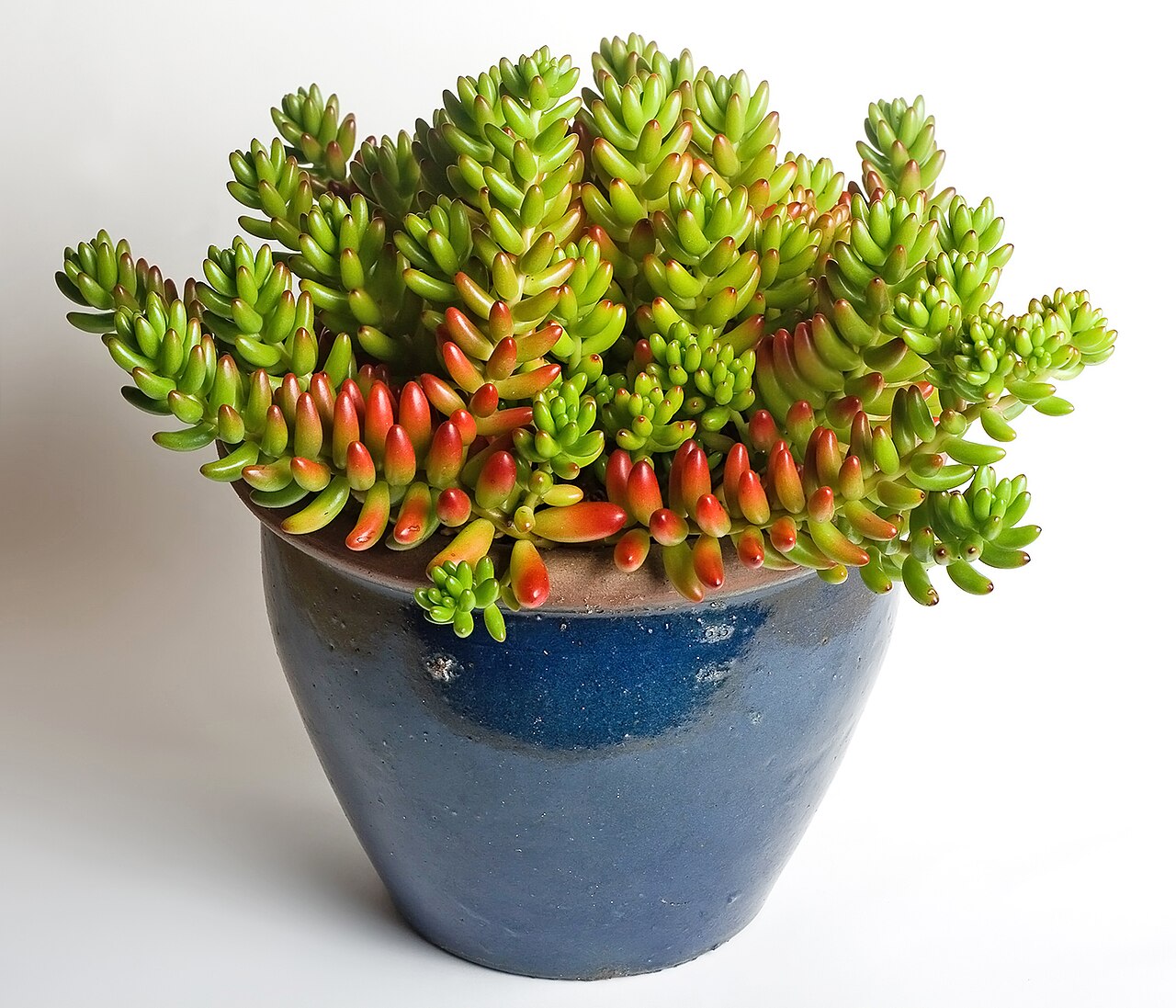
Licensed referenceJJ Harrison (https://www.jjharrison.com.au/) / CC BY-SA 2.5 · cc-by-sa
—observations
—countries
—peak records
Not EvaluatedConservation statusIUCN Red List categoriesLCNTVUENCREWEXNot Evaluated — not placed on the risk ladderRed List categories, explained →
Diet & prey
- Autotrophic (Photosynthesis)
Predators
- Snails
- Slugs
- Mealybugs
ThreatsOverwatering, freezing temperatures, stem rot
HabitatsArid rocky slopes, sunny gardens, container culture
Life span10–20+ years
Classification
- FamilyCrassulaceae
- SpeciesSedum rubrotinctum
Range data is not available yet.
Interaction riskHigh
- Low
- Moderate
- High
- Very high
- Why interaction risk is high
- Toxic to pets if ingested; place plants where dogs and cats cannot chew on them.
- Why it is dangerous
- Contains mild piperidine alkaloids that cause oral irritation, nausea, and gastrointestinal distress if chewed.
- How to recognize a risky encounter
- Identified by tiny cylindrical leaves resembling jelly beans that turn reddish in bright direct light.
- What to do
- Keep potted specimens off lower shelves away from pets, and clean up dropped leaves promptly.
Responsible observation
- Sunlight: Provide direct light to trigger the signature reddish foliage coloration.
- Watering: Let soil dry completely between thorough soakings to avoid root rot.
- Handling: Move plants carefully, as leaves easily snap off when bumped.
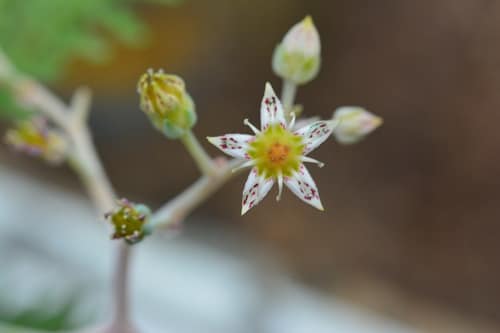
Frequent Companion (c) Neptalí Ramírez Marcial, some rights reserved (CC BY), uploaded by Neptalí Ramírez Marcial · cc-by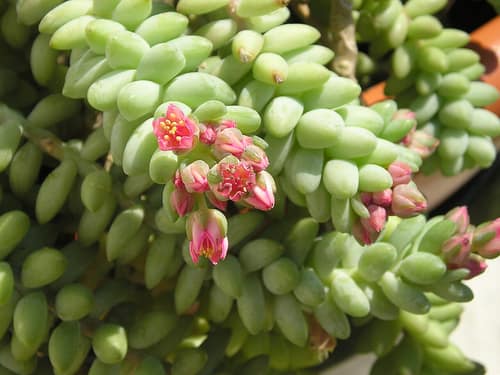
Close Relative Morningdew51 at English Wikipedia / CC BY-SA 3.0 · cc-by-sa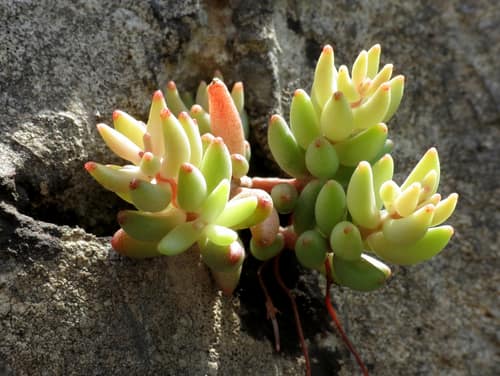
Close Relative (c) Katja Schulz, some rights reserved (CC BY) · cc-by
Help improve the field guideSomething wrong?
Checking your Fauna account…Report a name, category, or profile issue for review.