
Plant
Madagascar Ocotillo
Alluaudia proceraAlso known as False Ocotillo
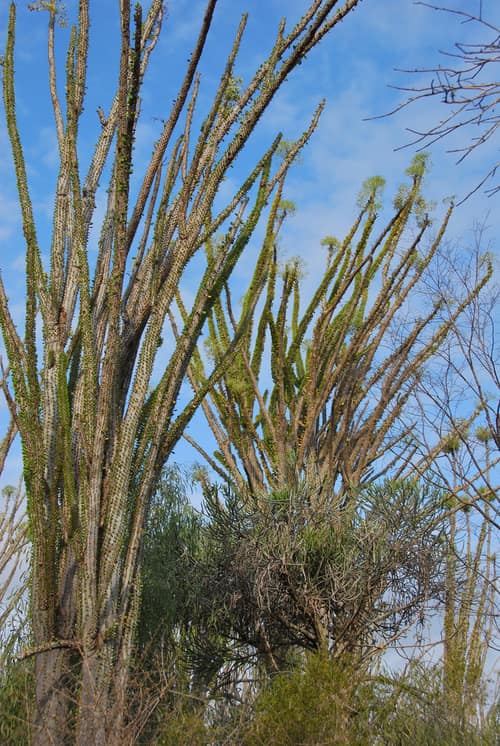
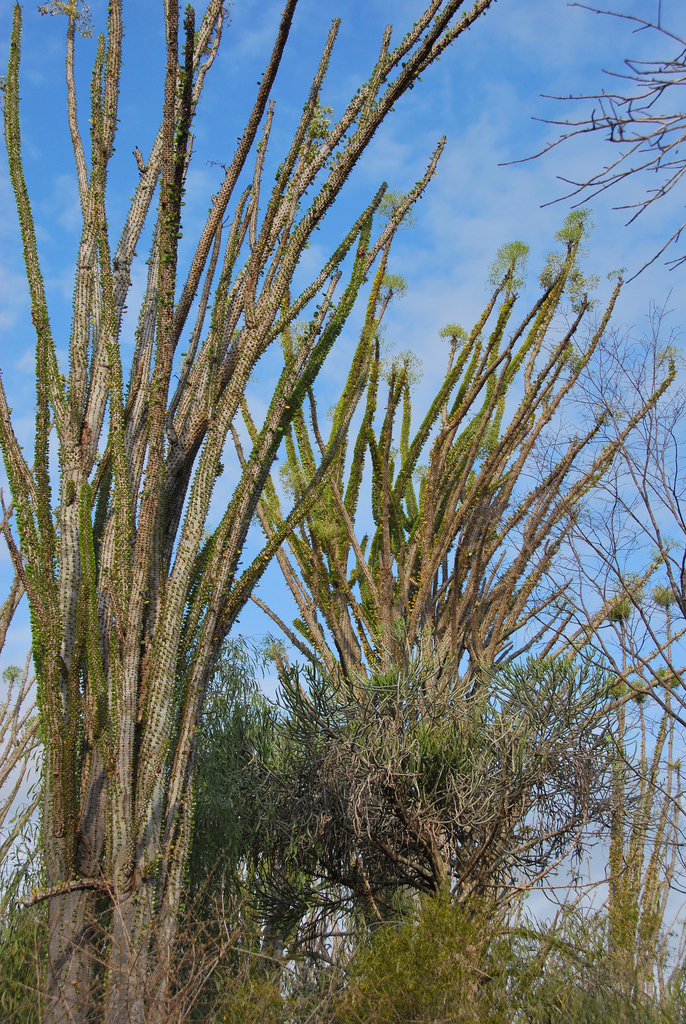
Madagascar ocotillos dominate the otherworldly spiny thickets of southern Madagascar, thrusting slender, spiny columns high into the arid canopy. Their pale grey stems bear rows of stout spines interspersed with paired, rounded leaves that drop swiftly during prolonged droughts to conserve water. Despite formidable physical defenses, the fresh foliage and nectar-rich flowers provide crucial sustenance for endemic wildlife like lemurs, which expertly navigate the thorny branches.
SucculentSpinyEndemic
—observations
—countries
—peak records
Least ConcernConservation statusIUCN Red List categoriesLCNTVUENCREWEXLeast ConcernRed List categories, explained →
Diet & preyPhotosynthetic (autotroph)
Predators
- Verreaux's Sifaka
- Ring-tailed Lemur
ThreatsHabitat loss from charcoal production, agriculture, and grazing
HabitatsArid spiny forests and succulent scrublands
Life spanOver 100 years
Classification
- OrderCaryophyllales
- FamilyDidiereaceae
- GenusAlluaudia
- SpeciesAlluaudia procera
Range data is not available yet.
Interaction riskLow
- Low
- Moderate
- High
- Very high
- Why interaction risk is low
- Covered in sharp spines; avoid brushing against the trunk or branches.
- What to notice
- Look for exceptionally tall, straight, grey-barked columns bristling with paired spines and coin-shaped leaves.
- Support conservation
- Do not harvest wild plants or damage the bark, as regeneration in degraded arid habitats is extremely slow.
Responsible observation
- Observation: Look closely at stem tips in late winter to spot clusters of small yellowish-white flowers.
- Safety: Keep hands clear of trunks and low limbs, as the dense spines easily pierce clothing and skin.
- Cultivation: In dry gardens or indoor pots, provide full sunlight and allow soil to dry thoroughly between waterings.
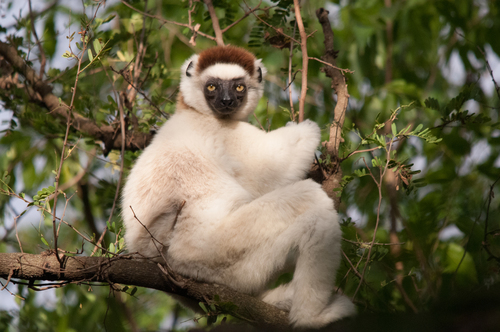
Herbivore (c) William Stephens, some rights reserved (CC BY), uploaded by William Stephens · cc-by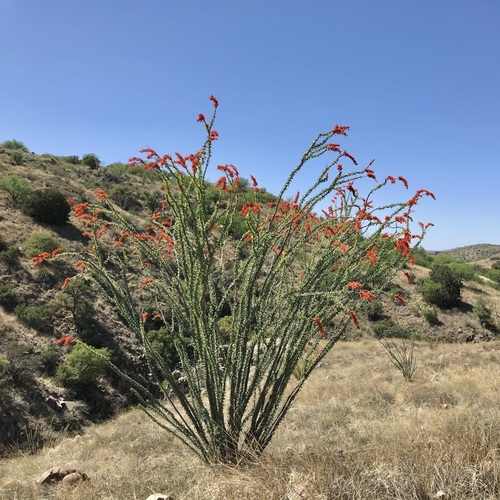
Look-alike (c) Sue Carnahan, some rights reserved (CC BY), uploaded by Sue Carnahan · cc-by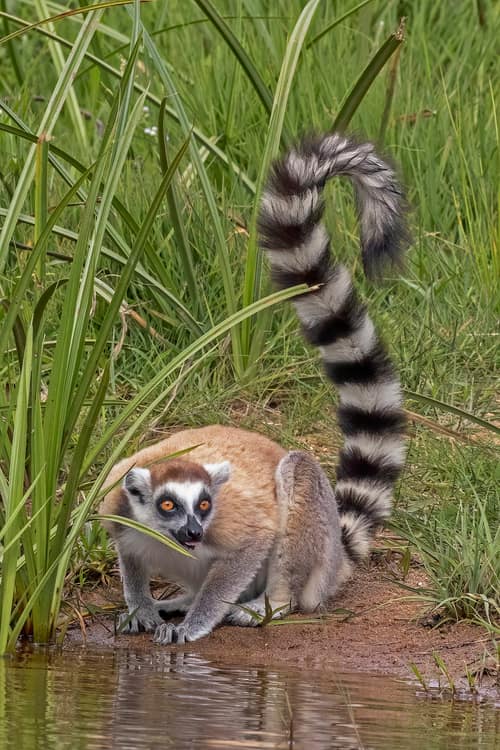
Herbivore Charles J. Sharp / CC BY-SA 4.0 · cc-by-sa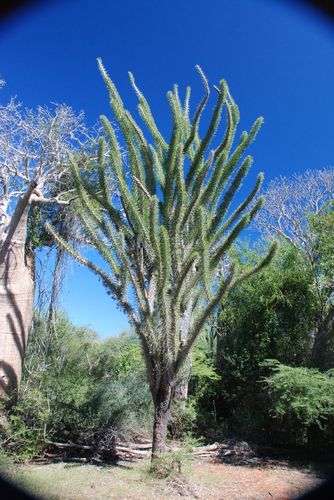
Same Family (c) Andrew Hankey, some rights reserved (CC BY-SA) · cc-by-sa
Help improve the field guideSomething wrong?
Checking your Fauna account…Report a name, category, or profile issue for review.