
Plant · GBIF taxon 5682465
Spring Heath
Erica carneaAlso known as Winter Heath, Winter-Flowering Heather, Alpine Heath
Spring heath forms dense, ground-hugging mats of needle-like foliage that stay deep green throughout winter. Long before most alpine plants wake from dormancy, its mass of urn-shaped magenta flowers blooms directly through lingering snowbanks. These early blossoms provide a critical high-energy nectar source for queen bumblebees emerging from winter thaws.
EvergreenFloweringAlpine
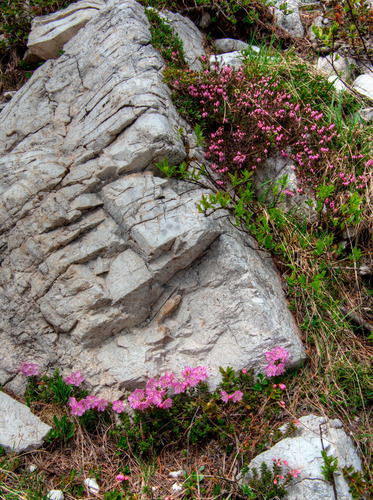
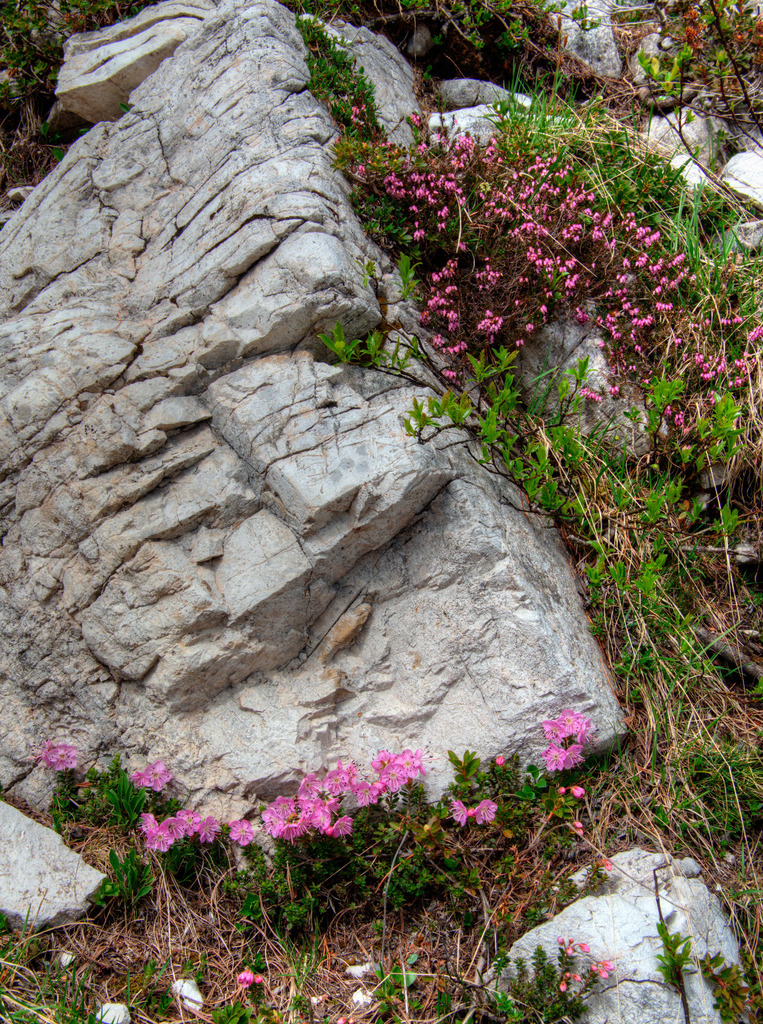 1 / 7
1 / 7—observations
—countries
—peak records
Least ConcernConservation statusIUCN Red List categoriesLCNTVUENCREWEXLeast ConcernRed List categories, explained →
Diet & prey
- Autotrophic (Photosynthesis)
Predators
- Alpine ibex
- Chamois
- Mountain hares
ThreatsEncroachment by woody scrub, climate extremes, localized habitat loss
HabitatsAlpine slopes, coniferous forests, rocky limestone soils
Life span10–20 years
Classification
- OrderEricales
- FamilyEricaceae
- GenusErica
- SpeciesErica carnea
Range data is not available yet.
Interaction riskLow
- Low
- Moderate
- High
- Very high
- Why interaction risk is low
- Safe to observe at a normal distance.
Responsible observation
- Early blooms: Look for pink carpets blooming through snow in late winter.
- Soil tolerance: Handles both acidic and lime-rich soils far better than true heather.
- Pollinator watching: Observe queen bumblebees gathering crucial early-season nectar.
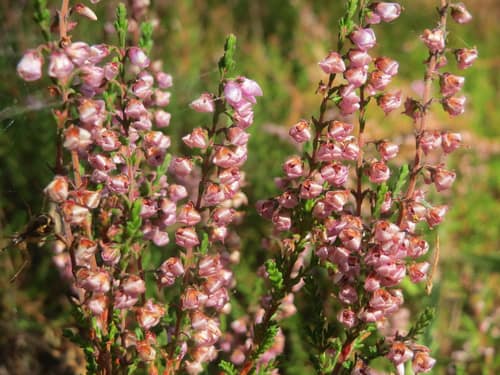
Close Relative (c) Andreas Rockstein, some rights reserved (CC BY-SA) · cc-by-sa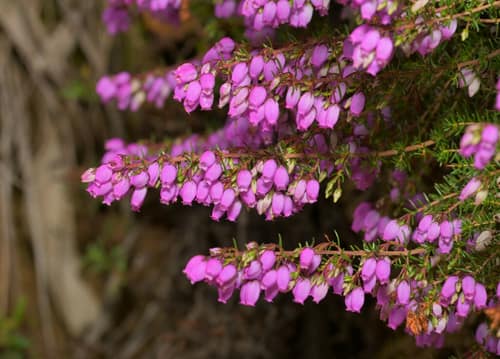
Close Relative (c) Paulo Martins, some rights reserved (CC BY-SA), uploaded by Paulo Martins · cc-by-sa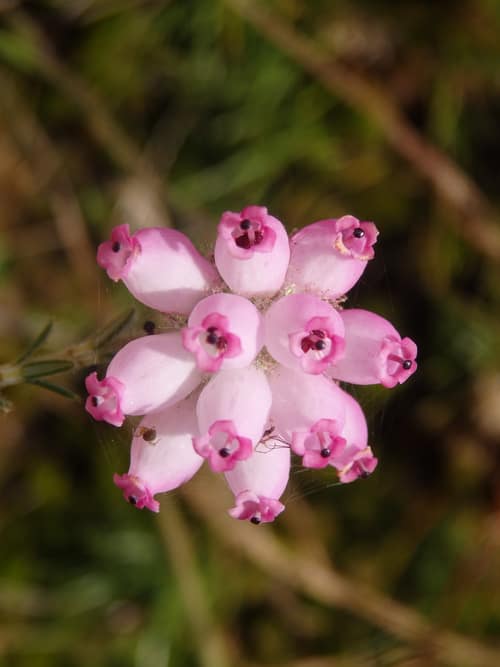
Close Relative (c) Carminda Santos, some rights reserved (CC BY), uploaded by Carminda Santos · cc-by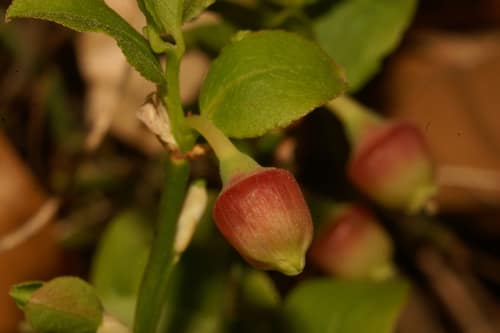
Family Member (c) Benjamin Zwittnig, some rights reserved (CC BY) · cc-by
Help improve the field guideSomething wrong?
Checking your Fauna account…Report a name, category, or profile issue for review.