
Plant
White Silk Floss Tree
Ceiba insignisAlso known as White Floss-Silk Tree, Palo Borracho
White silk floss trees develop striking, bottle-shaped swollen trunks armed with dense, conical prickles designed to deter climbing herbivores. They shed their palmate foliage during dry spells before bursting into broad, pale yellow to creamy-white blossoms pollinated primarily by nocturnal hawkmoths and bats. Mature woody fruit capsules eventually split open to expose masses of silky, buoyant kapok floss that carry tiny seeds across arid landscapes on seasonal winds.
Drought-TolerantFloweringDeciduous
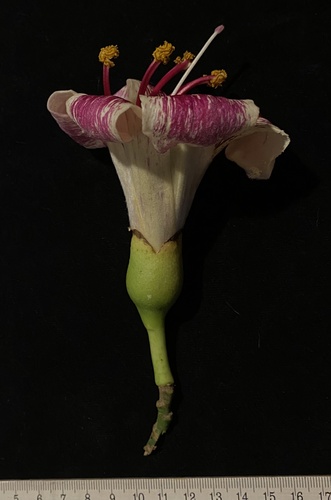
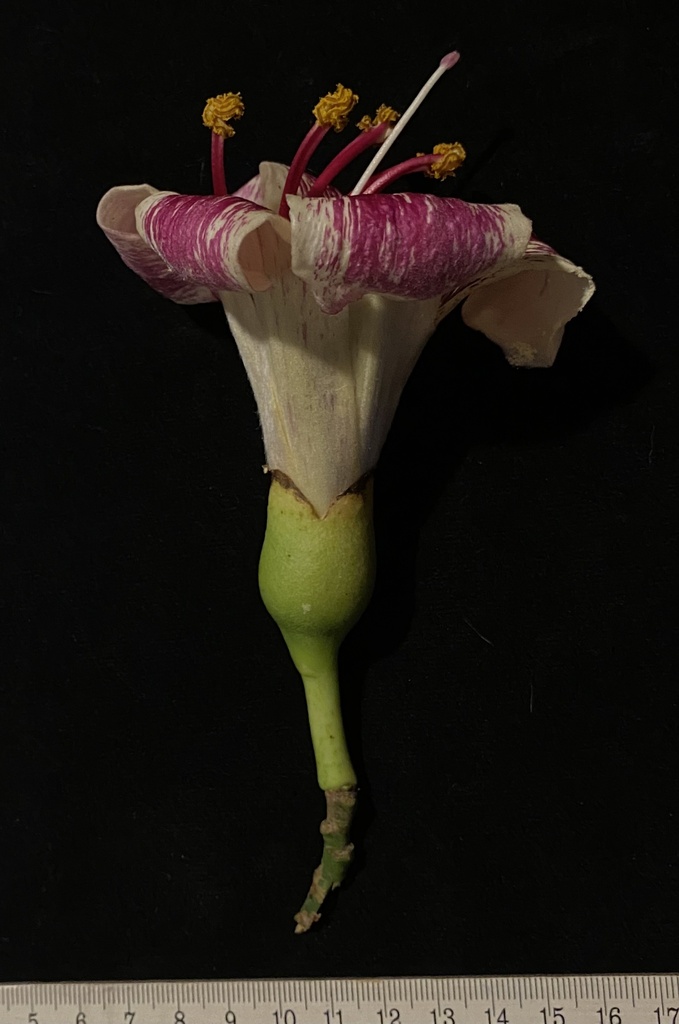
—observations
—countries
—peak records
Least ConcernConservation statusIUCN Red List categoriesLCNTVUENCREWEXLeast ConcernRed List categories, explained →
Diet & preySunlight, Water, Soil nutrients
Predators
- Wood-boring beetles
- Defoliating caterpillars
ThreatsHabitat clearance for agriculture and localized overgrazing
HabitatsDry tropical forests, scrub woodlands, and urban parks
Life span60–100 years
Classification
- FamilyMalvaceae
- SpeciesCeiba insignis
Range data is not available yet.
Interaction riskLow
- Low
- Moderate
- High
- Very high
- Why interaction risk is low
- Safe to observe at a distance, but the trunk bears sharp prickles that can cause puncture wounds.
Responsible observation
- Bloom Watching: Scan the leafless canopy in autumn and winter to view the large, pale blooms.
- Trunk Safety: Maintain clearance from the lower trunk to avoid colliding with stout wooden spikes.
- Fiber Spotting: Search under mature branches in late spring for fallen pods leaking silky white floss.
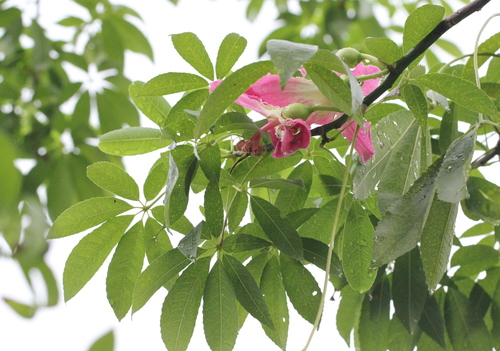
Close Relative no rights reserved, uploaded by Agnes Trekker · cc0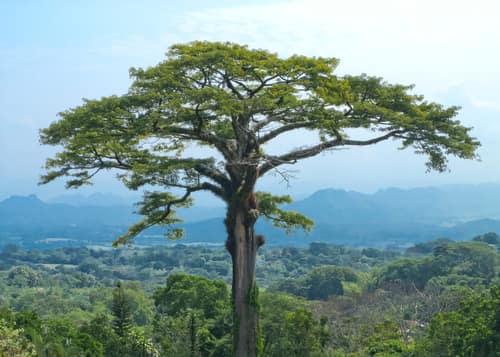
Close Relative no rights reserved, uploaded by Manuel Ortiz · cc0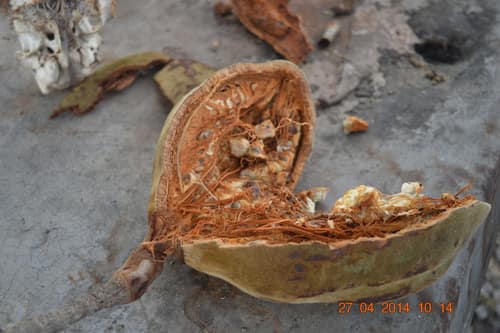
Same Family (c) Karthik Thrikkadeeri, some rights reserved (CC BY), uploaded by Karthik Thrikkadeeri · cc-by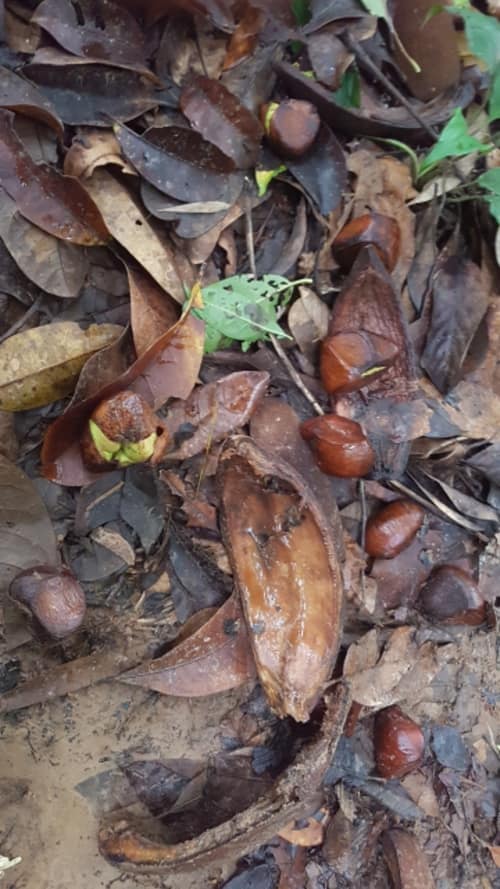
Same Family (c) Martín Sánchez Vilchis, some rights reserved (CC BY-SA), uploaded by Martín Sánchez Vilchis · cc-by-sa
Help improve the field guideSomething wrong?
Checking your Fauna account…Report a name, category, or profile issue for review.