
Plant
Rewarewa
Knightia excelsaAlso known as New Zealand Honeysuckle
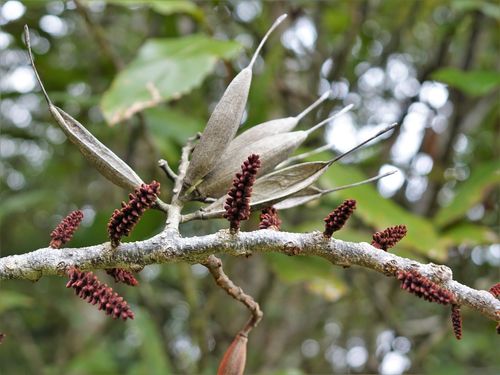
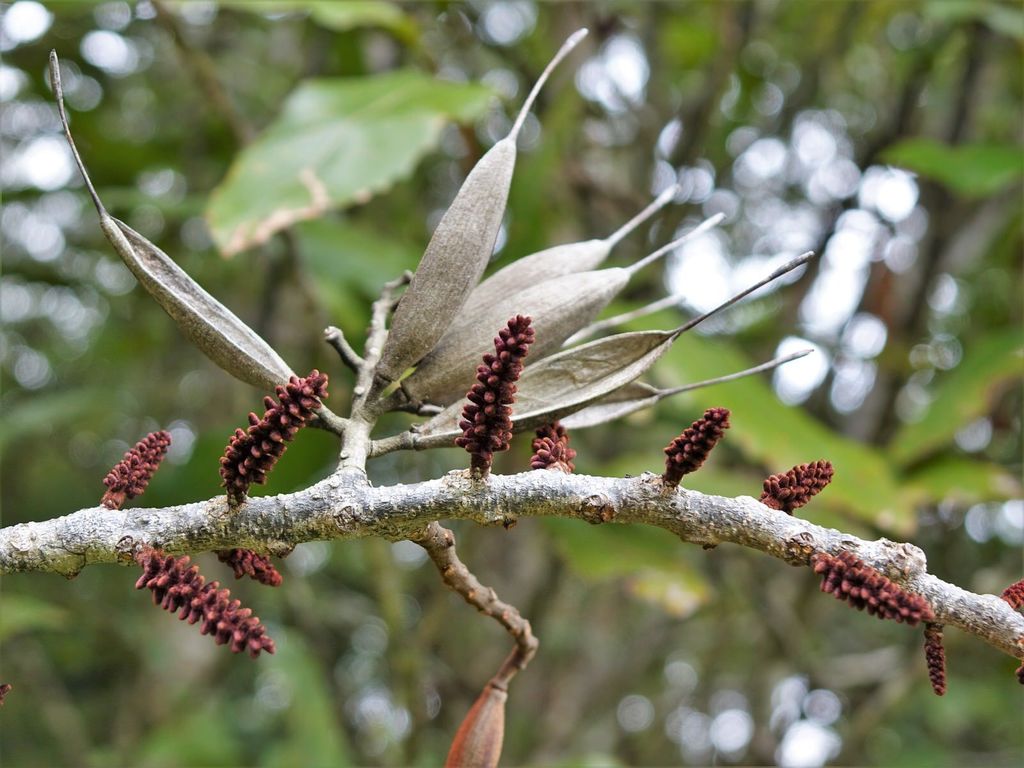
Rewarewa pierces the temperate rainforest canopy with a distinctive, spire-like columnar form that resembles an Italian cypress from afar. Dense clusters of deep crimson, velvety flowers appear in late spring, uncurling into tangled, bottle-brush spikes brimming with rich nectar. Native honeyeaters such as tūī and bellbirds flock to these blooms, serving as primary pollinators before the flowers mature into hard, woody follicles that split to release winged seeds.
Canopy TreeEndemicBird-Pollinated
—observations
—countries
—peak records
Least ConcernConservation statusIUCN Red List categoriesLCNTVUENCREWEXLeast ConcernRed List categories, explained →
Diet & preyPhotoautotrophic (absorbs sunlight, water, and soil nutrients)
Predators
- Common Brushtail Possum
ThreatsCanopy defoliation by invasive brush-tailed possums and land clearance
HabitatsLowland and coastal forests, valley floors, and regenerating scrub
Life span100–300 years
Classification
- FamilyProteaceae
- SpeciesKnightia excelsa
Range data is not available yet.
Interaction riskLow
- Low
- Moderate
- High
- Very high
- Why interaction risk is low
- Safe to observe at a normal distance.
Responsible observation
- Look up in spring: Scan the canopy from October to December for brilliant red blossoms.
- Inspect the foliage: Note the tough, leathery, coarsely serrated leaves that persist year-round.
- Check the forest floor: Search beneath mature trees for empty, boat-shaped woody seed follicles.
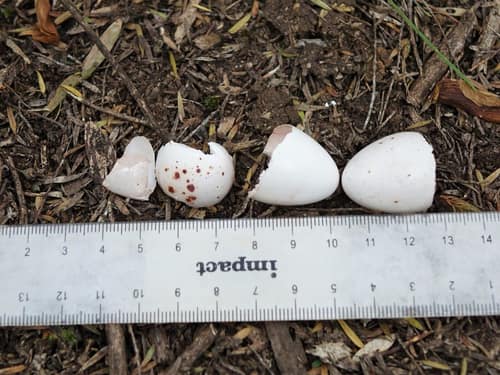
Pollinator (c) Jacqui Geux, some rights reserved (CC BY), uploaded by Jacqui Geux · cc-by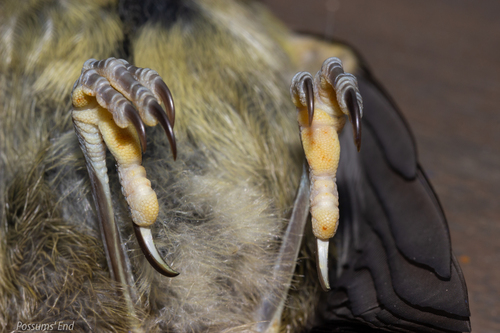
Pollinator (c) Possums' End, some rights reserved (CC BY), uploaded by Possums' End · cc-by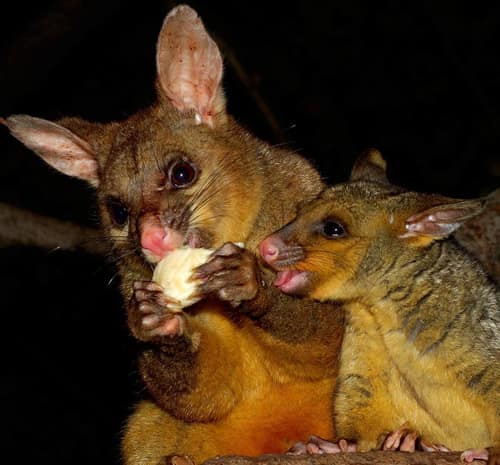
Herbivore Pest (c) Jes, some rights reserved (CC BY-SA) · cc-by-sa Image unavailable
Same Family
Help improve the field guideSomething wrong?
Checking your Fauna account…Report a name, category, or profile issue for review.