
Plant
Giant Banksia
Banksia grandisAlso known as Bull Banksia
Giant banksia commands the understory of southwestern Australian forests with architectural, deeply divided leaves that span nearly half a meter. Massive cylindrical spikes of pale yellow blossoms emerge in late spring, producing copious nectar that sustains vibrant communities of honeyeaters, bees, and pygmy possums. Thick, corky bark insulates mature trunks from bushfires, allowing the tree to regenerate and open its heavy woody follicles across the ash bed.
TreeWildflowerFire Adapted
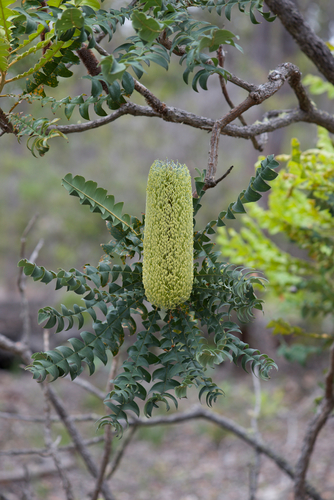
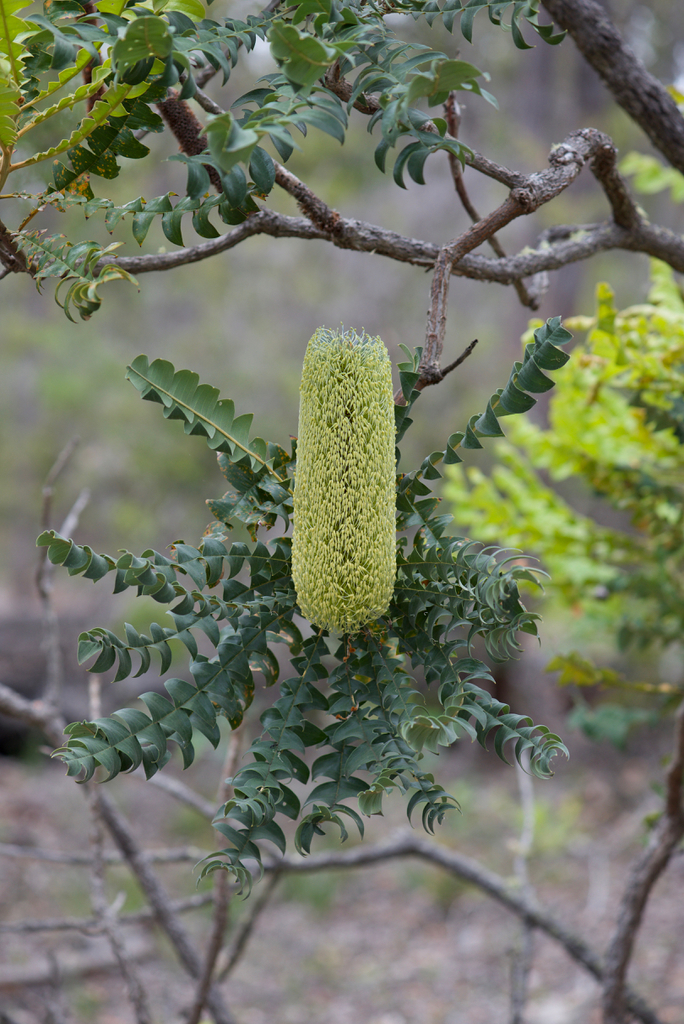
—observations
—countries
—peak records
Near ThreatenedConservation statusIUCN Red List categoriesLCNTVUENCREWEXNear ThreatenedRed List categories, explained →
Diet & preySunlight, Water, Soil nutrients
Predators
- Carnaby's Black Cockatoo
- Wood-boring Beetles
- Western Grey Kangaroo
ThreatsPhytophthora dieback, altered fire frequencies, habitat loss
HabitatsJarrah and marri forests, woodlands, coastal sandplains
Life span50–100 years
Classification
- FamilyProteaceae
- SpeciesBanksia grandis
Range data is not available yet.
Interaction riskLow
- Low
- Moderate
- High
- Very high
- Why interaction risk is low
- Safe to observe at a normal distance.
- What to notice
- Look for enormous zigzag pinnatisect leaves with triangular lobes and massive cylindrical flower spikes up to 40 centimeters long.
- Support conservation
- Stick strictly to marked trails and utilize hygiene boot-wash stations to avoid spreading fungal pathogens into uninfected forest.
Responsible observation
- Observation Timing: Visit between October and January to see the massive pale yellow flower spikes in peak bloom.
- Wildlife Watching: Scan mature flower heads at dawn or dusk for feeding honeyeaters and nocturnal marsupials.
- Biosecurity Care: Scrub and sanitize footwear before entering bushland to prevent introducing waterborne dieback spores.
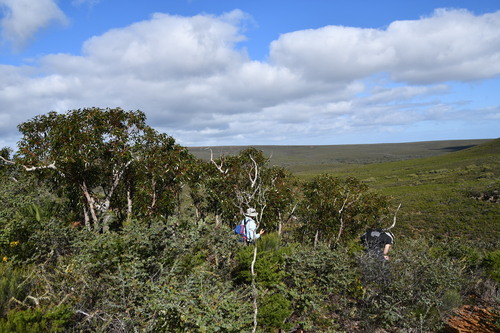
Frequent Companion (c) Thomas Mesaglio, some rights reserved (CC BY) · cc-by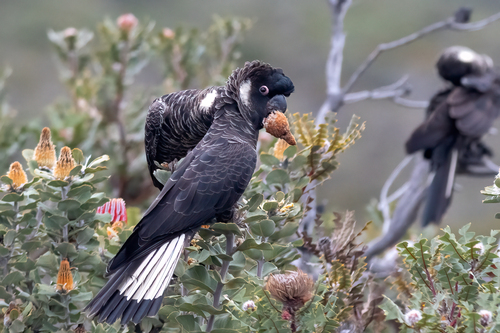
Predator (c) Kym Nicolson, some rights reserved (CC BY), uploaded by Kym Nicolson · cc-by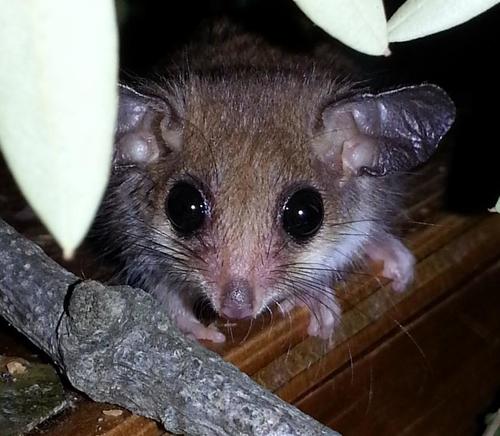
Pollinator (c) Miss.chelle.13, some rights reserved (CC BY-SA) · cc-by-sa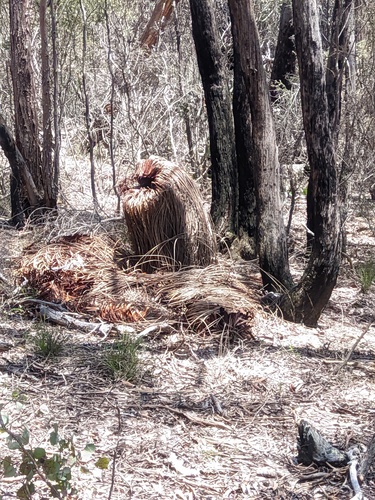
Parasite (c) porkytama, some rights reserved (CC BY), uploaded by porkytama · cc-by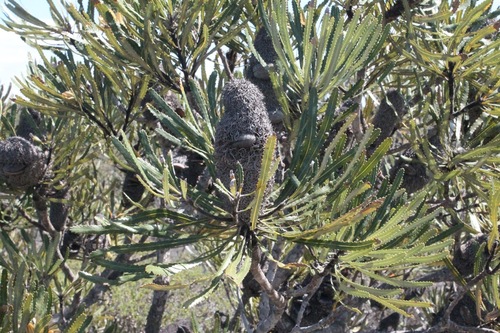
Close Relative (c) Malcolm Simard, some rights reserved (CC BY) · cc-by
Help improve the field guideSomething wrong?
Checking your Fauna account…Report a name, category, or profile issue for review.