
Plant
Common Slitwort
Leucas asperaAlso known as Thumbai, Thumba, Chota Halkusa
Common slitwort produces upright, square stems clad in bristly hairs and crowned with dense, spherical whorls of pure white two-lipped blossoms. Widespread across disturbed soils, fallow fields, and roadsides in South and Southeast Asia, it flourishes quickly in the wake of seasonal monsoon rains. The hooded upper floral lip shields nectar-rich blooms that draw an active rotation of small native bees, flies, and skippers throughout the day.
FloweringHerbaceousAnnual
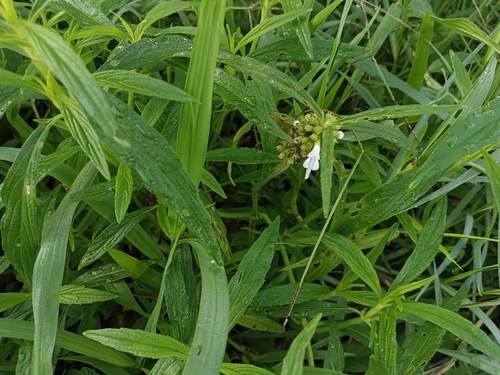
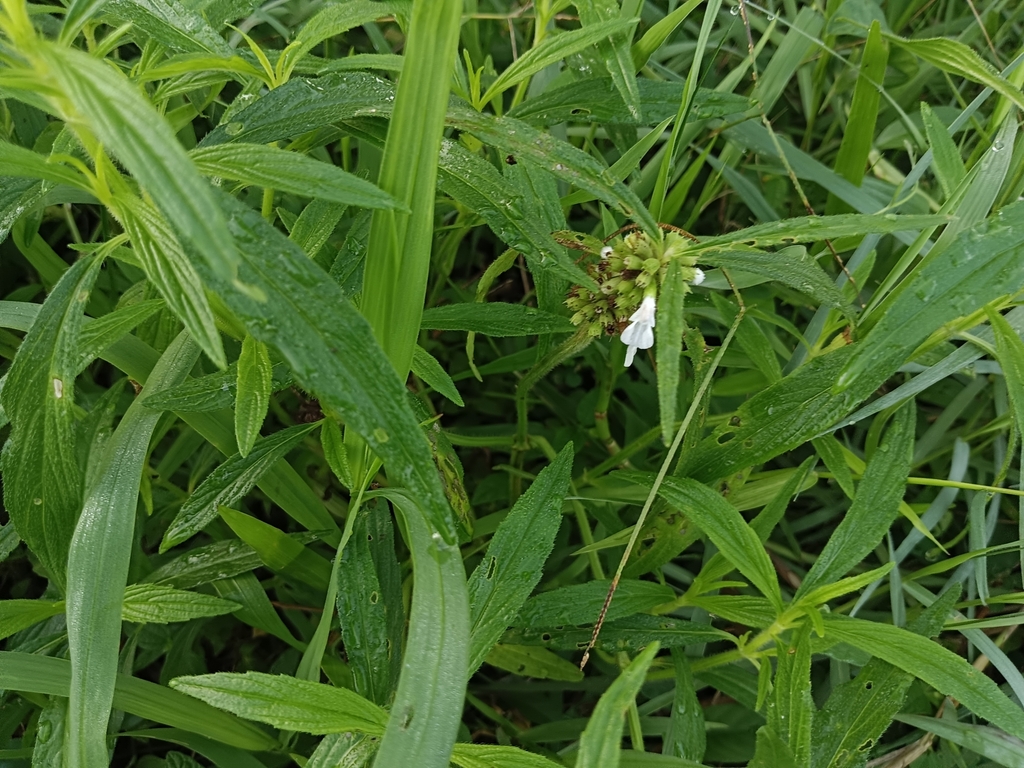
—observations
—countries
—peak records
Not EvaluatedConservation statusIUCN Red List categoriesLCNTVUENCREWEXNot Evaluated — not placed on the risk ladderRed List categories, explained →
Diet & preySunlight, Water, Soil minerals
Predators
- Domestic goats
- Grasshoppers
- Noctuid moth caterpillars
ThreatsHerbicide overuse, intensive agricultural cultivation, habitat conversion
HabitatsDisturbed ground, roadsides, fallow fields, open scrublands
Life spanAnnual (typically 3–8 months)
Classification
- FamilyLamiaceae
- SpeciesLeucas aspera
Range data is not available yet.
Interaction riskLow
- Low
- Moderate
- High
- Very high
- Why interaction risk is low
- Safe to observe at a normal distance.
Responsible observation
- Distinguishing features: Check for rough, sandpaper-textured square stems topped by spherical clusters of white flowers.
- Pollinator viewing: Watch flower heads during sunny mornings when native solitary bees actively probe the lower petal lips.
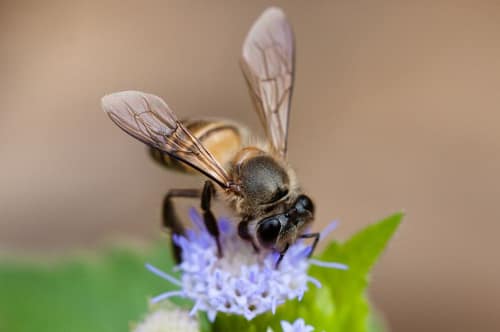
Pollinator Rushenb / CC BY-SA 3.0 · cc-by-sa Image unavailable
Close Relative Close Relative 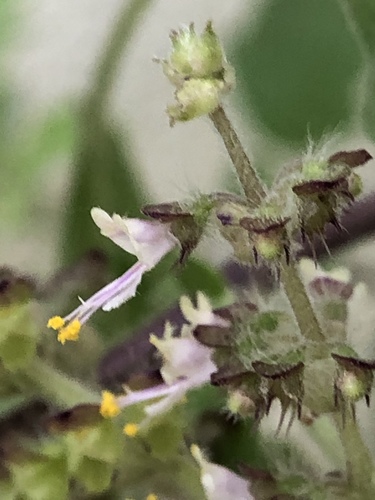
Same Family (c) Swarochi Tathagath, some rights reserved (CC BY) · cc-by
Help improve the field guideSomething wrong?
Checking your Fauna account…Report a name, category, or profile issue for review.