
Plant
Lobster Flower
Coleus neochilusAlso known as Lobster Bush, Fly Bush, Mosquito Bush
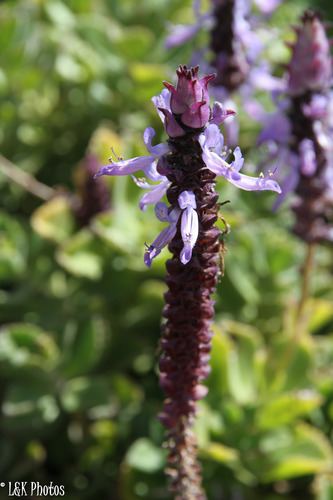
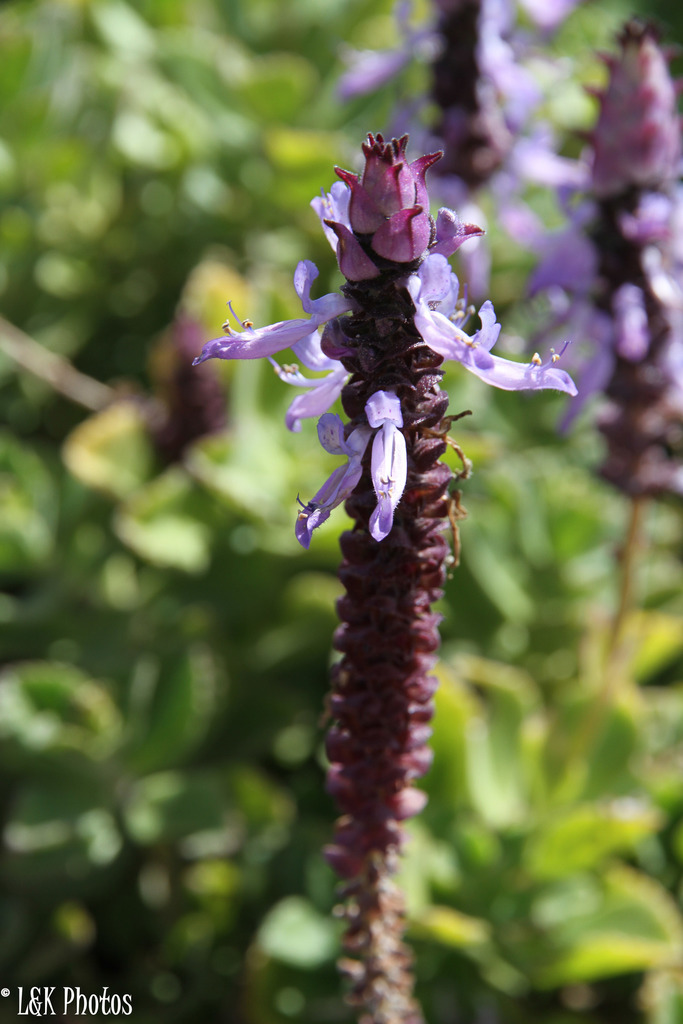
Lobster flower is a hardy, semi-succulent perennial groundcover native to rocky bushveld and dry woodland margins in southern Africa. Its velvety, scalloped leaves release a strong, musky aroma when brushed, earning it a reputation as a natural deterrent to flies and mosquitoes. From late spring through autumn, upright spikes of two-lipped, purple-blue blossoms shaped like tiny lobster claws rise above the foliage and draw in foraging bees.
AromaticFloweringDrought-tolerant
—observations
—countries
—peak records
Not EvaluatedConservation statusIUCN Red List categoriesLCNTVUENCREWEXNot Evaluated — not placed on the risk ladderRed List categories, explained →
Diet & preySunlight, Water, Soil nutrients
Predators
- Snails
- Caterpillars
ThreatsLocalized habitat modification and severe frost
HabitatsRocky bushveld, dry woodland margins, and sunny gardens
Life spanPerennial (several years)
Classification
- OrderLamiales
- FamilyLamiaceae
- GenusColeus
- SpeciesColeus neochilus
Range data is not available yet.
Interaction riskLow
- Low
- Moderate
- High
- Very high
- Why interaction risk is low
- Safe to observe at a normal distance; strong aromatic oils may cause mild stomach upset in pets if chewed.
Responsible observation
- Scent Test: Gently brush a leaf rather than crushing it to notice its strong, musky aroma.
- Flower Shape: Look closely at the boat-shaped lower petals that give the plant its lobster-like name.
- Pollinator Watch: Stand quietly beside blooming spikes in warm weather to spot foraging bees.
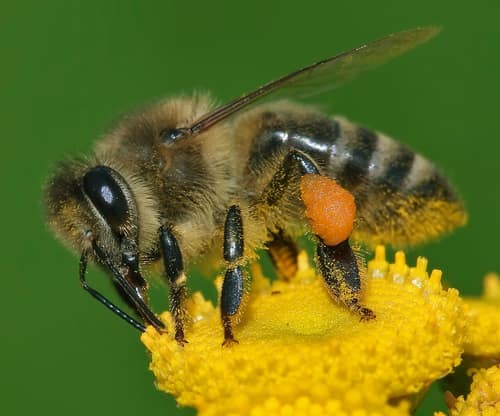
Pollinator Andreas Trepte / CC BY-SA 2.5 · cc-by-sa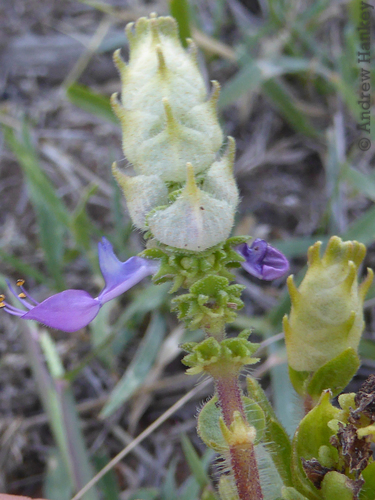
Close Relative (c) Andrew Hankey, some rights reserved (CC BY-SA), uploaded by Andrew Hankey · cc-by-sa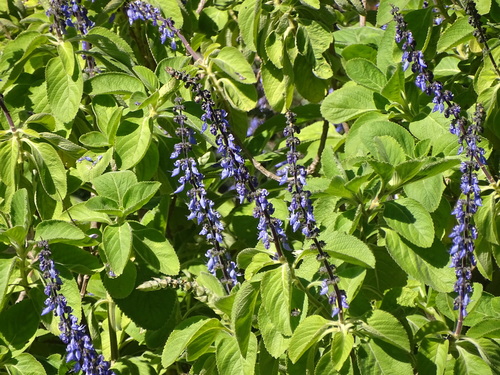
Close Relative (c) Shaun Swanepoel, some rights reserved (CC BY), uploaded by Shaun Swanepoel · cc-by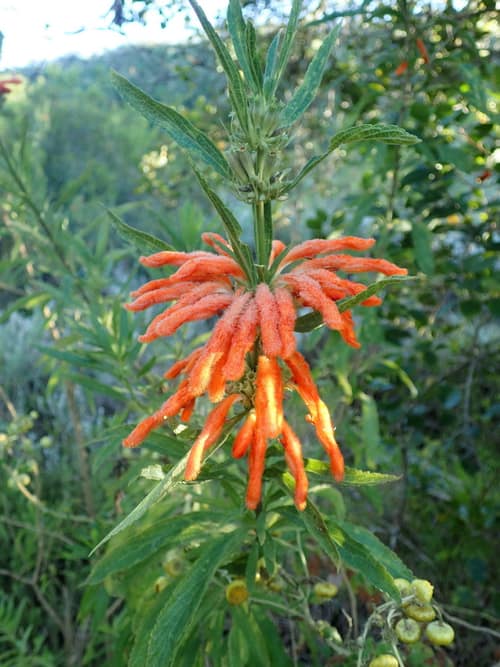
Same Family (c) Nicola van Berkel, some rights reserved (CC BY-SA), uploaded by Nicola van Berkel · cc-by-sa
Help improve the field guideSomething wrong?
Checking your Fauna account…Report a name, category, or profile issue for review.