
Plant
Northern Dewstick
Roridula dentataAlso known as Toothed Flycatcher Bush, Flycatcher Bush
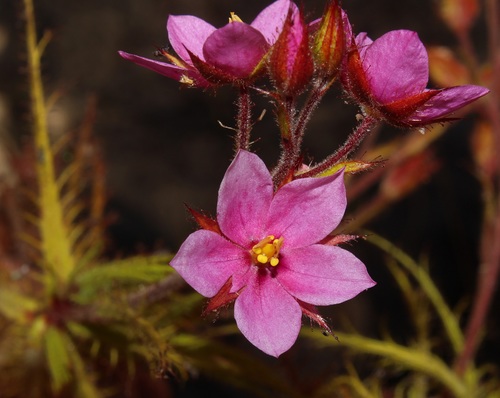
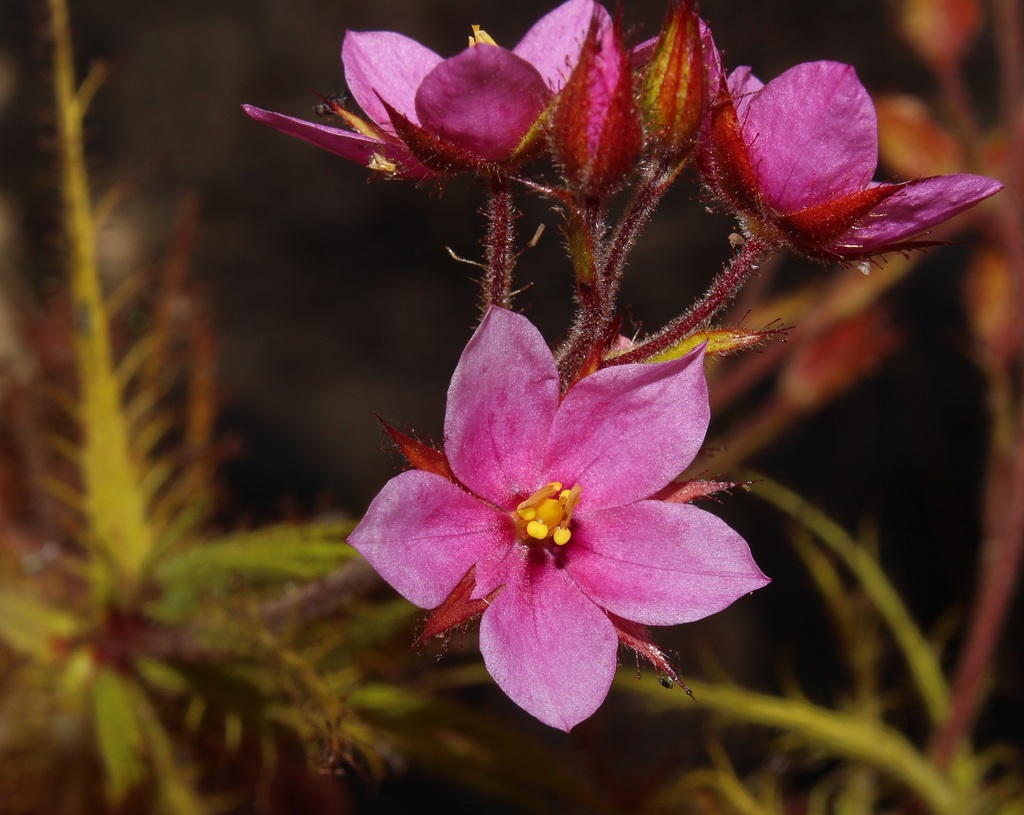
Northern dewsticks are woody, resinous shrubs endemic to the rugged fynbos mountains of South Africa's Western Cape. Rather than producing digestive enzymes, their toothed leaves secrete an exceptionally potent, resin-based glue that snags large insects, from wasps to small beetles. They rely on specialized mutualistic mirid bugs that navigate the sticky foliage unharmed, consume the trapped prey, and deposit nutrient-rich frass that the plant absorbs directly through leaf pores.
ProtocarnivorousFynbos EndemicShrub
—observations
—countries
—peak records
Near ThreatenedConservation statusIUCN Red List categoriesLCNTVUENCREWEXNear ThreatenedRed List categories, explained →
Diet & preyFlying insects, Beetles, Wasps
ThreatsInappropriate fire regimes, invasive alien vegetation, and restricted geographic range
HabitatsMontane fynbos on sandstone slopes and rocky ravines
Life span10–30 years
Classification
- FamilyRoridulaceae
- SpeciesRoridula dentata
Range data is not available yet.
Interaction riskLow
- Low
- Moderate
- High
- Very high
- Why interaction risk is low
- Safe to observe at a normal distance.
- What to notice
- Look for a slender, woody shrub with distinctively toothed, glandular-haired leaves clustered toward branch tips.
- Support conservation
- Observe plants from established hiking paths without breaking branches or disturbing the resident symbiotic insects.
Responsible observation
- Look Closely: Search resin-coated branches for mutualistic mirid bugs moving without sticking.
- Do Not Touch: Avoid brushing foliage, as the resinous secretions are tenaciously sticky and difficult to wash off.
- Stay on Trails: Montane fynbos habitats are fragile and slow to recover from trampling.
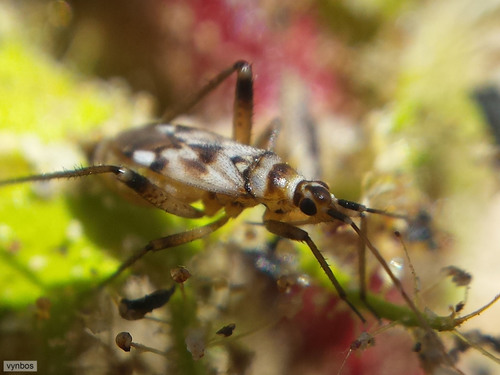
Symbiont (c) Chris Vynbos, some rights reserved (CC BY-SA), uploaded by Chris Vynbos · cc-by-sa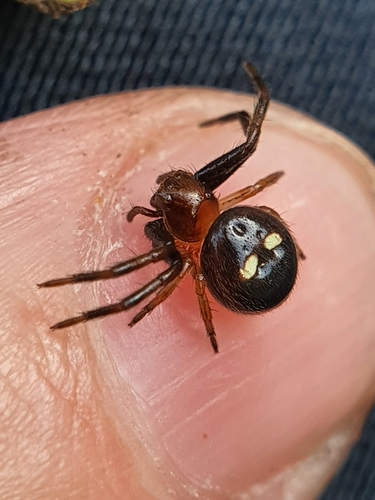
Symbiont (c) Debbie Taylor, some rights reserved (CC BY-SA), uploaded by Debbie Taylor · cc-by-sa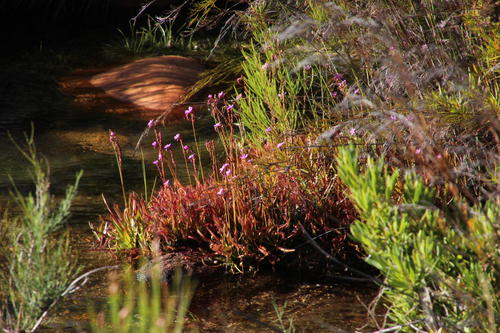
Neighbor (c) Tony Rebelo, some rights reserved (CC BY-SA), uploaded by Tony Rebelo · cc-by-sa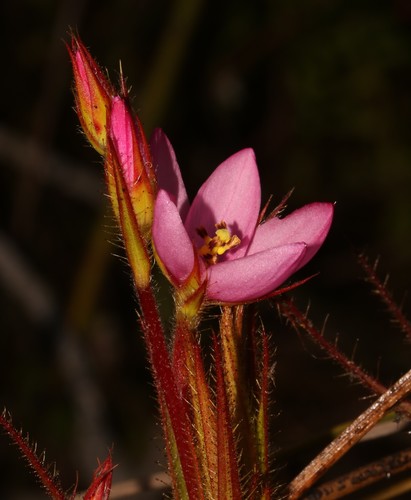
Close Relative (c) Brian du Preez, some rights reserved (CC BY-SA), uploaded by Brian du Preez · cc-by-sa
Help improve the field guideSomething wrong?
Checking your Fauna account…Report a name, category, or profile issue for review.