
Flower
Pleroma mutabile
Pleroma mutabileAlso known as Manacá-da-serra, Changeable Glory Bush, Glory Tree
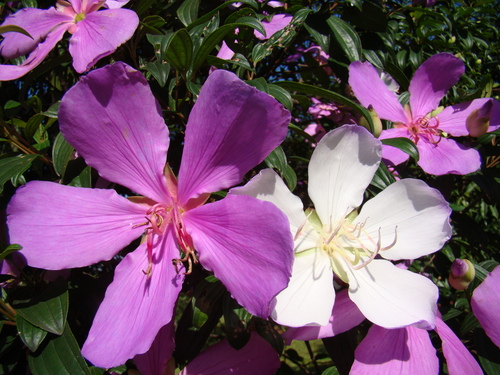
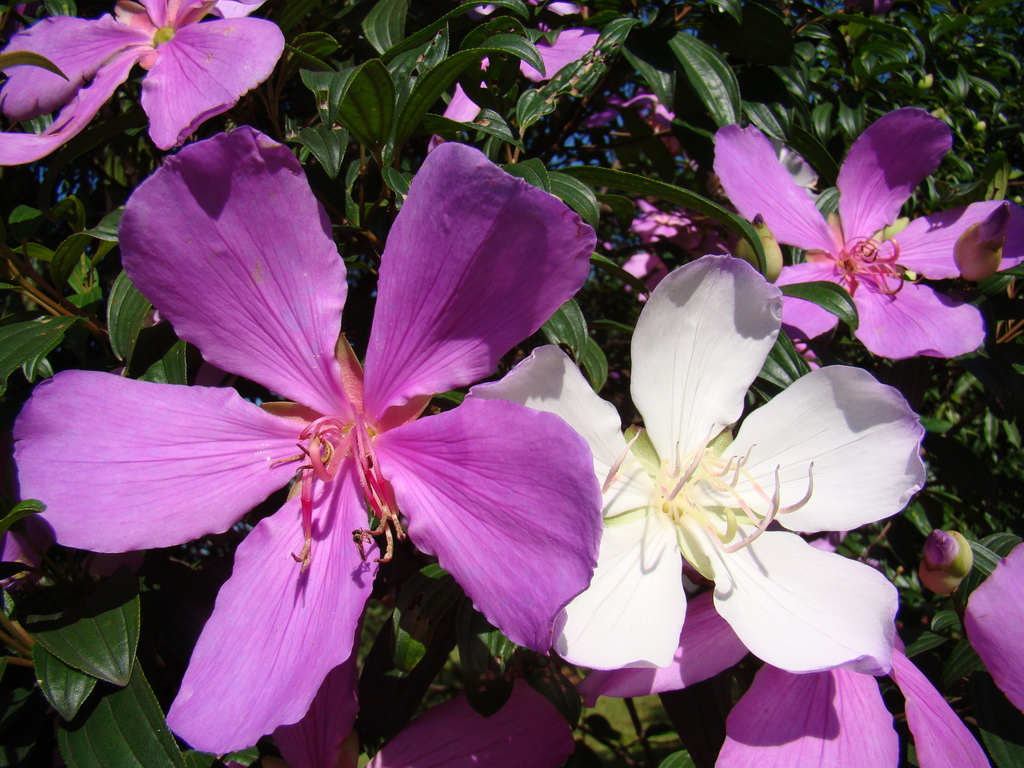
Manacá-da-serra trees dominate early-successional Atlantic Forest slopes with a striking floral transformation, as their five-petaled blossoms open pure white before shifting to pink and finally deep violet over several days. This color change signals nectar availability to native bees, which vibrate the specialized stamens to release pollen. As fast-growing pioneer trees, they colonize disturbed hillsides rapidly and help stabilize fragile mountain soils against erosion.
Flowering TreeColor-ChangingAtlantic Forest
—observations
—countries
—peak records
Least ConcernConservation statusIUCN Red List categoriesLCNTVUENCREWEXLeast ConcernRed List categories, explained →
Diet & preyPhotosynthetic
Predators
- Caterpillars
- Leaf-cutter Ants
- Herbivorous Beetles
ThreatsDeforestation, urban expansion, coastal habitat fragmentation
HabitatsAtlantic Forest, mountain slopes, forest edges, secondary woodland
Life span30–60 years
Classification
- OrderMyrtales
- FamilyMelastomataceae
- GenusPleroma
- SpeciesPleroma mutabile
Range data is not available yet.
Interaction riskLow
- Low
- Moderate
- High
- Very high
- Why interaction risk is low
- Safe to observe at a normal distance.
Responsible observation
- Best Viewing: Visit Atlantic Forest slopes from November to February to catch peak flowering.
- Observe Pollinators: Watch for large native bees performing buzz pollination on the stamens.
- Identification Cue: Look for individual trees bearing white, pink, and purple flowers at once.
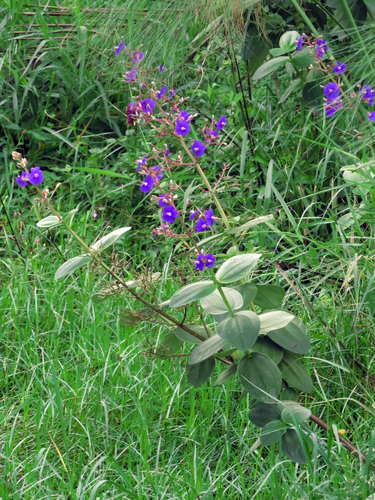
Close Relative no rights reserved · cc0 Image unavailable
Close Relative Family Member
Help improve the field guideSomething wrong?
Checking your Fauna account…Report a name, category, or profile issue for review.