
Flower · GBIF taxon 5590445
False African Violet
Streptocarpus saxorumAlso known as Streptocarpella
Thriving on shaded rocky ledges in East Africa, false African violet forms trailing mats of succulent, velvety foliage that store water during dry spells. Soft lilac-white blossoms hover on delicate, wiry stems above the creeping foliage, attracting small native bees and flies for pollination almost continuously. While cultivated worldwide as a forgiving, floriferous houseplant, wild populations remain tightly tethered to humid, shaded microclimates.
FloweringEvergreenPerennial
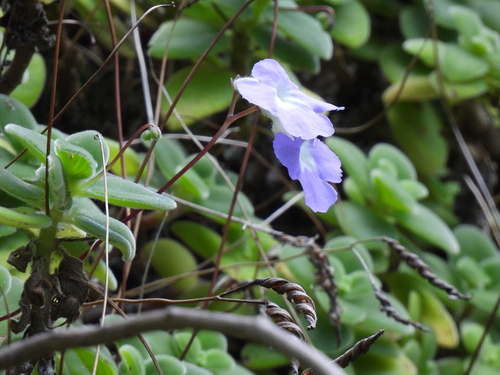
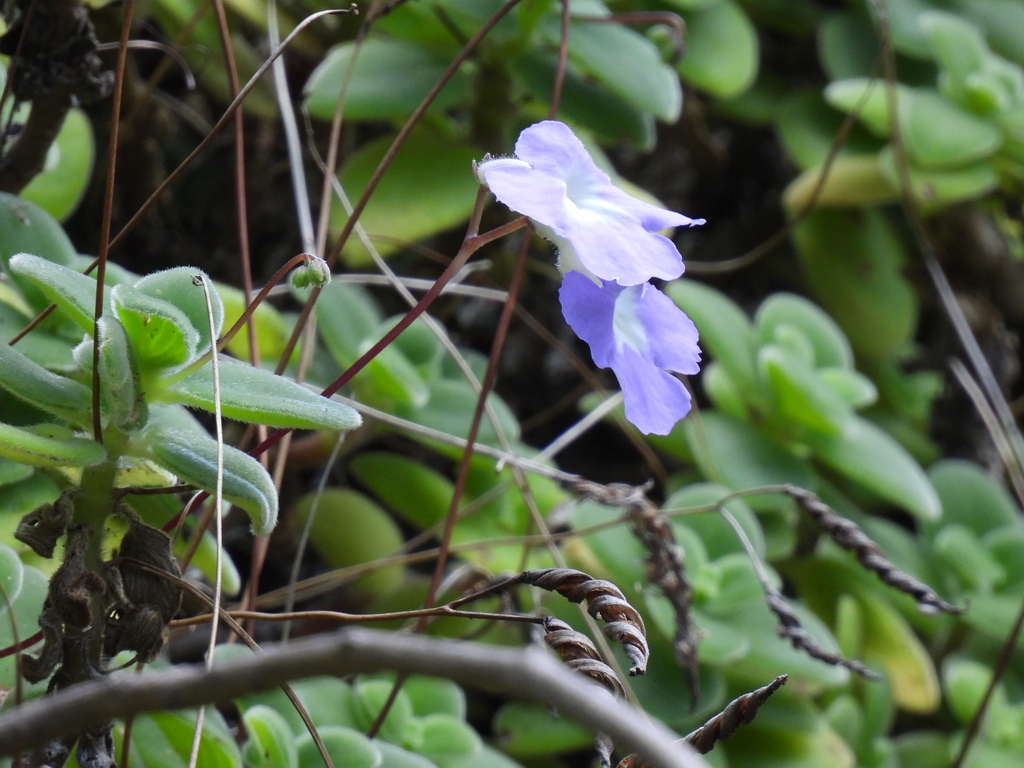
Licensed reference(c) Liliana Ramírez-Freire, some rights reserved (CC BY) · cc-by
—observations
—countries
—peak records
Not EvaluatedConservation statusIUCN Red List categoriesLCNTVUENCREWEXNot Evaluated — not placed on the risk ladderRed List categories, explained →
Diet & prey
- Photosynthesis
Predators
- Slugs
- Spider mites
- Aphids
ThreatsHabitat loss, agricultural clearing, and microclimate desiccation
HabitatsShaded rocky outcrops, submontane cliffs, and tropical forest margins
Life span5–10 years
Size / weightNot available
Classification
- OrderLamiales
- FamilyGesneriaceae
- GenusStreptocarpus
- SpeciesStreptocarpus saxorum
Range data is not available yet.
Interaction riskLow
- Low
- Moderate
- High
- Very high
- Why interaction risk is low
- Safe to observe at a normal distance.
Responsible observation
- Light: Provide bright indirect light to encourage steady flowering without burning the leaves.
- Moisture: Allow the upper soil to dry between waterings to protect the roots from rotting.
- Care: Avoid wetting the fuzzy foliage to prevent fungal leaf spotting.
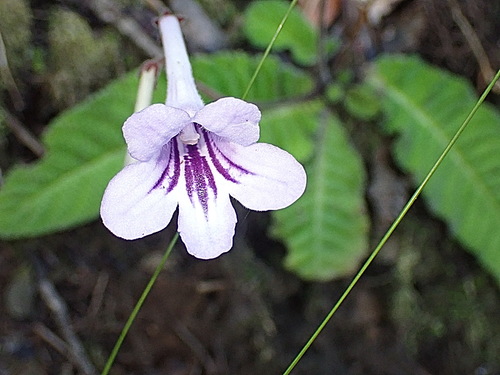
Same Genus no rights reserved, uploaded by Di Turner · cc0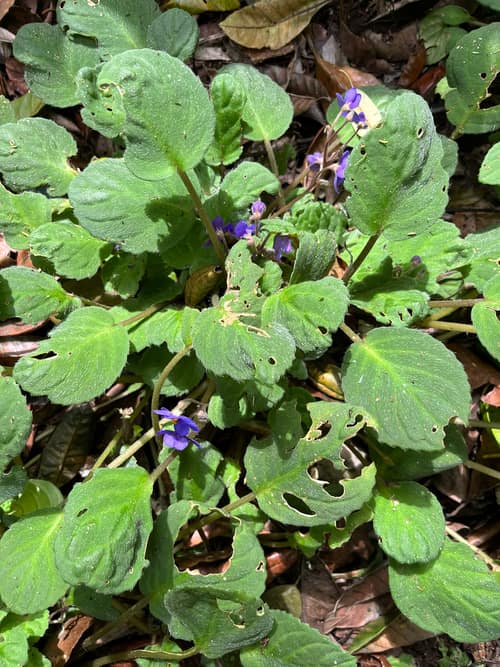
Close Relative (c) Ewout Knoester, some rights reserved (CC BY-SA) · cc-by-sa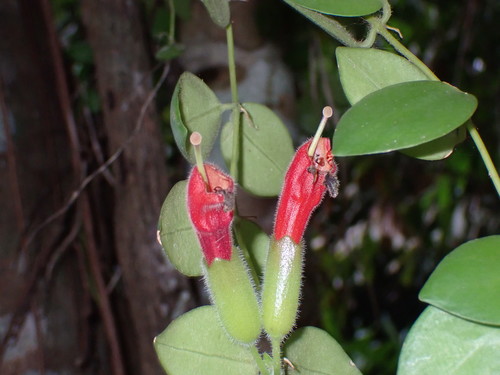
Same Family (c) luluchouette, some rights reserved (CC BY) · cc-by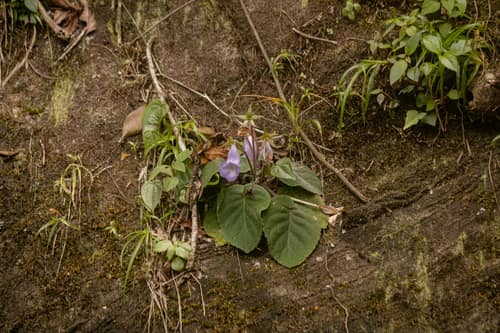
Same Family (c) Henrique Nogueira, some rights reserved (CC BY) · cc-by
Help improve the field guideSomething wrong?
Checking your Fauna account…Report a name, category, or profile issue for review.