
Plant · GBIF taxon 5588218
Antarctic Pearlwort
Colobanthus quitensisAlso known as Pearlwort, Chilian Pearlwort, Antarctic Pink
Antarctic pearlwort forms dense, cushion-like green mats tucked into rocky crevices and coastal slopes, withstanding extreme freezing conditions and drying polar winds. It flowers during the brief polar summer, producing tiny yellow blooms that self-pollinate when cold temperatures keep insects away. Rising temperatures along the Antarctic Peninsula have accelerated seed germination, allowing its cushions to expand rapidly across newly exposed terrain.
PolarFloweringCushion Plant
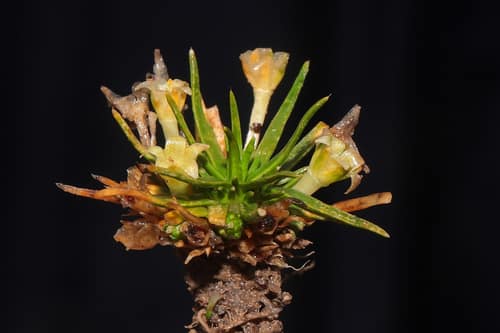
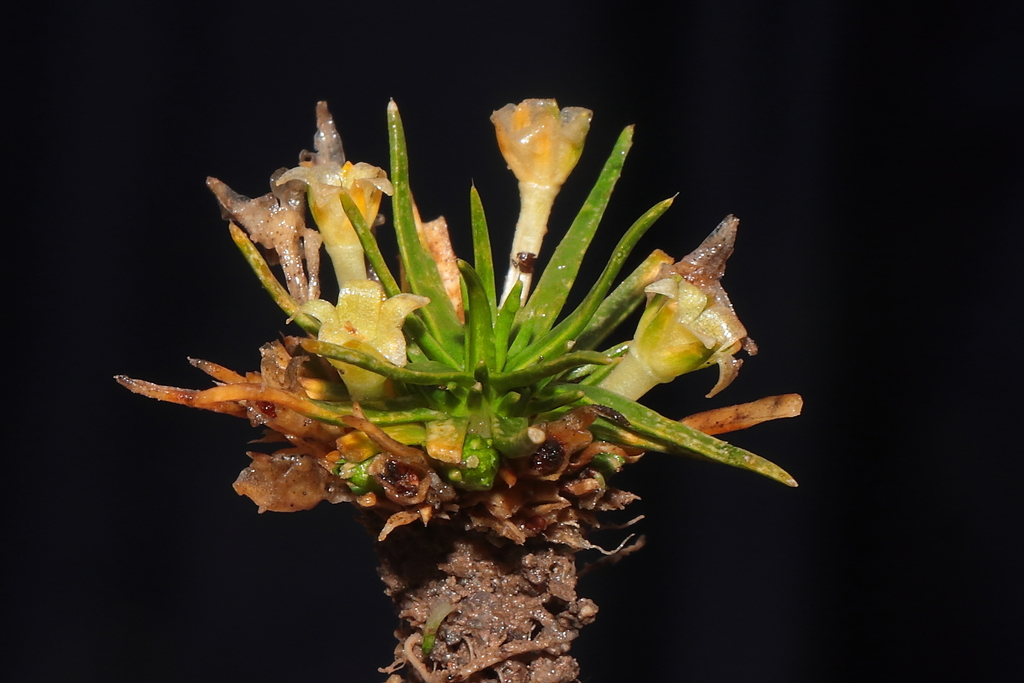 1 / 7
1 / 7—observations
—countries
—peak records
Least ConcernConservation statusIUCN Red List categoriesLCNTVUENCREWEXLeast ConcernRed List categories, explained →
Diet & prey
- Autotrophic (photosynthesis)
Predators
- Subantarctic mites
- Kerguelen beetles
ThreatsTrampling, introduction of invasive non-native plants, localized heatwaves
HabitatsCoastal tundra, rocky scree, gravel beds, moss banks
Life spanPerennial (several decades)
Size / weightNot available
Classification
- FamilyCaryophyllaceae
- SpeciesColobanthus quitensis
Range data is not available yet.
Interaction riskLow
- Low
- Moderate
- High
- Very high
- Why interaction risk is low
- Safe to observe at a normal distance.
- What to notice
- Look for low, compact bright green moss-like cushions under 5 cm tall nestled in damp rock crevices.
- Support conservation
- Maintain a respectful distance, stay on established paths, and decontaminate boots to prevent spreading invasive species.
Responsible observation
- Look Closely: Examine damp rock crevices along coastal slopes for tiny, bright yellow flowers during peak summer.
- Watch Your Step: Walk carefully on rocky paths to avoid crushing these slow-growing polar cushions.
- Mind the Season: Peak blooming occurs during the brief Antarctic summer between December and February.
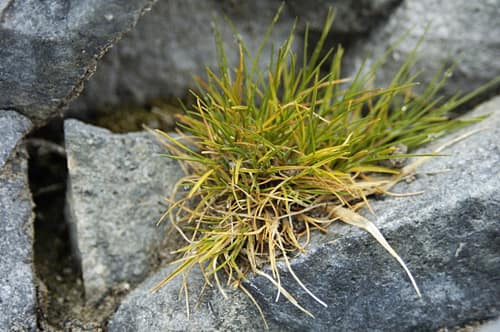
Frequent Companion Lomvi2 / CC BY-SA 3.0 · cc-by-sa Image unavailable
Close Relative Family Member
Help improve the field guideSomething wrong?
Checking your Fauna account…Report a name, category, or profile issue for review.