
Plant
Puka
Griselinia lucidaAlso known as Akapuka, Shining Broadleaf
Perched high in forest canopies as an epiphyte or rooted on coastal cliffs, puka stands out with its exceptionally glossy, leathery green leaves that feature a distinctly asymmetrical base. Its thick, deeply fluted aerial roots cascade down host tree trunks like sculpted wooden ropes until anchoring firmly into the forest floor. In late autumn, female plants produce dark purple to black berries that provide a vital winter food source for native forest birds like the kererū.
EpiphyteEvergreenGlossy Foliage
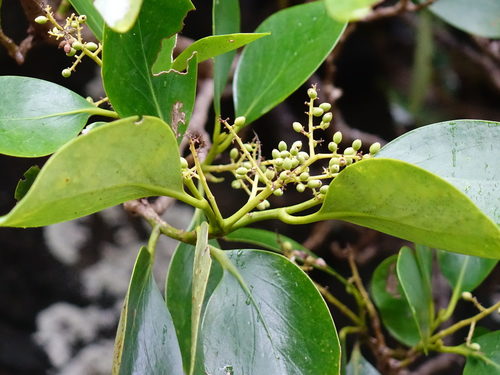
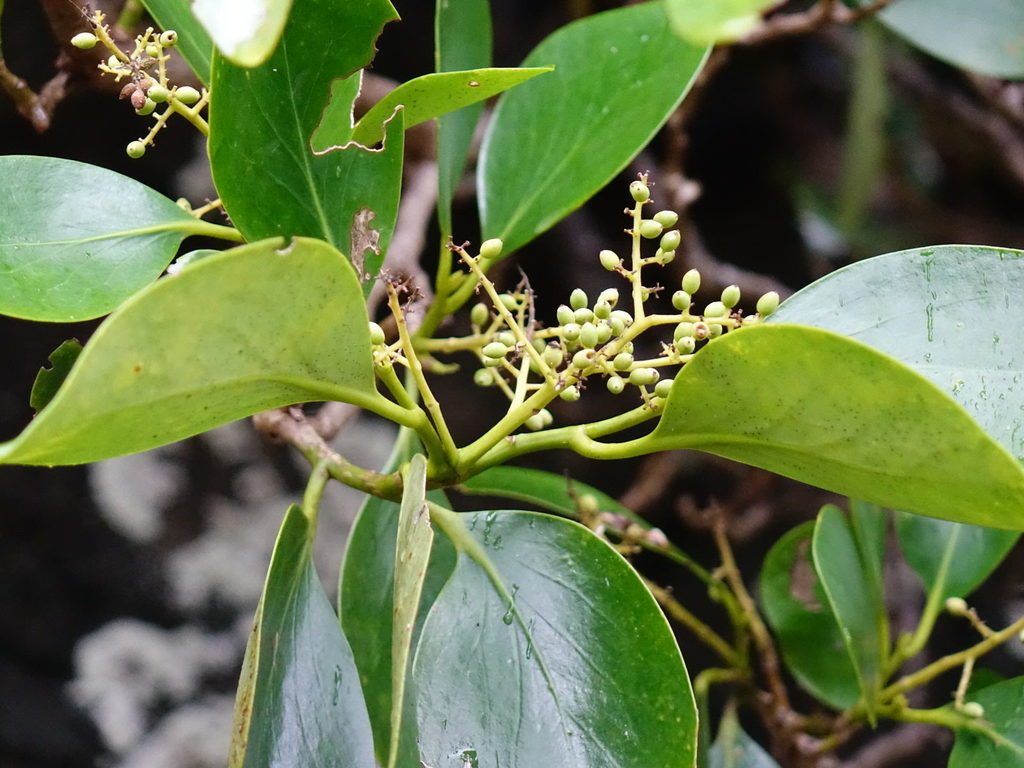
—observations
—countries
—peak records
Least ConcernConservation statusIUCN Red List categoriesLCNTVUENCREWEXLeast ConcernRed List categories, explained →
Diet & preySunlight, Water, Atmospheric carbon dioxide
Predators
- Brushtail possum
- Feral goat
- Red deer
ThreatsBrowsing by invasive possums and forest fragmentation
HabitatsLowland rainforests, coastal forest margins, and rocky outcrops
Life span50–100+ years
Classification
- FamilyGriseliniaceae
- SpeciesGriselinia lucida
Range data is not available yet.
Interaction riskLow
- Low
- Moderate
- High
- Very high
- Why interaction risk is low
- Wild berries have toxic look-alikes; never eat based on app identification alone.
Responsible observation
- Root observation: Look for the heavily fluted, grooved roots hugging host tree trunks at eye level.
- Foliage check: Examine leaf bases, which are characteristically uneven with one side longer than the other.
- Garden planting: Grow in well-drained coastal soil or large containers in frost-free microclimates.
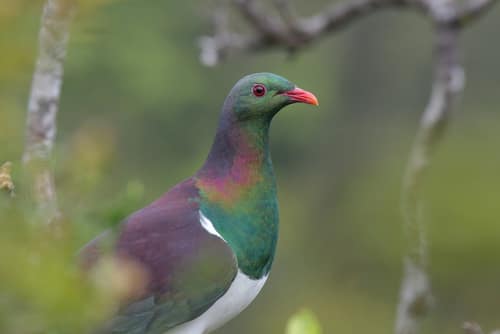
Seed Disperser (c) Christopher Stephens, some rights reserved (CC BY-SA), uploaded by Christopher Stephens · cc-by-sa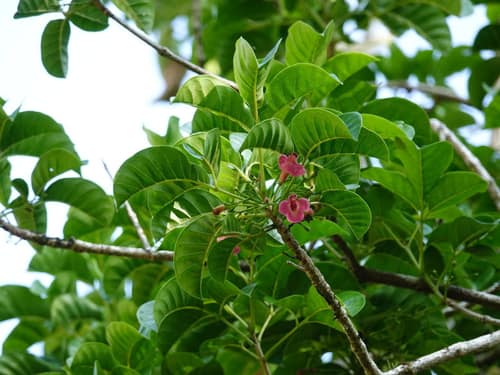
Host Plant (c) Jacqui Geux, some rights reserved (CC BY), uploaded by Jacqui Geux · cc-by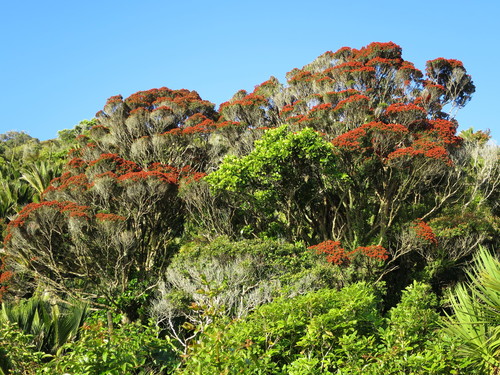
Ecological Peer (c) Alice Shanks, some rights reserved (CC BY), uploaded by Alice Shanks · cc-by Image unavailable
Close Relative
Help improve the field guideSomething wrong?
Checking your Fauna account…Report a name, category, or profile issue for review.