
Plant
Giantleaf Fig
Ficus luteaAlso known as Giant-leaved Fig, Lagos Rubber Tree, Zulu Fig
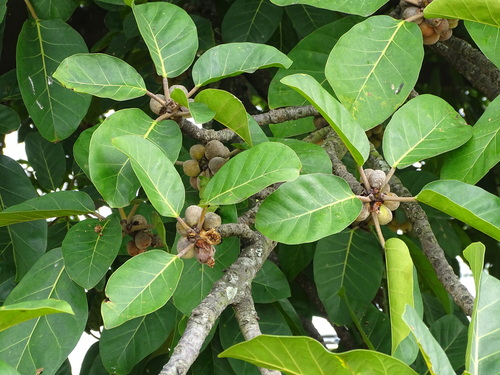
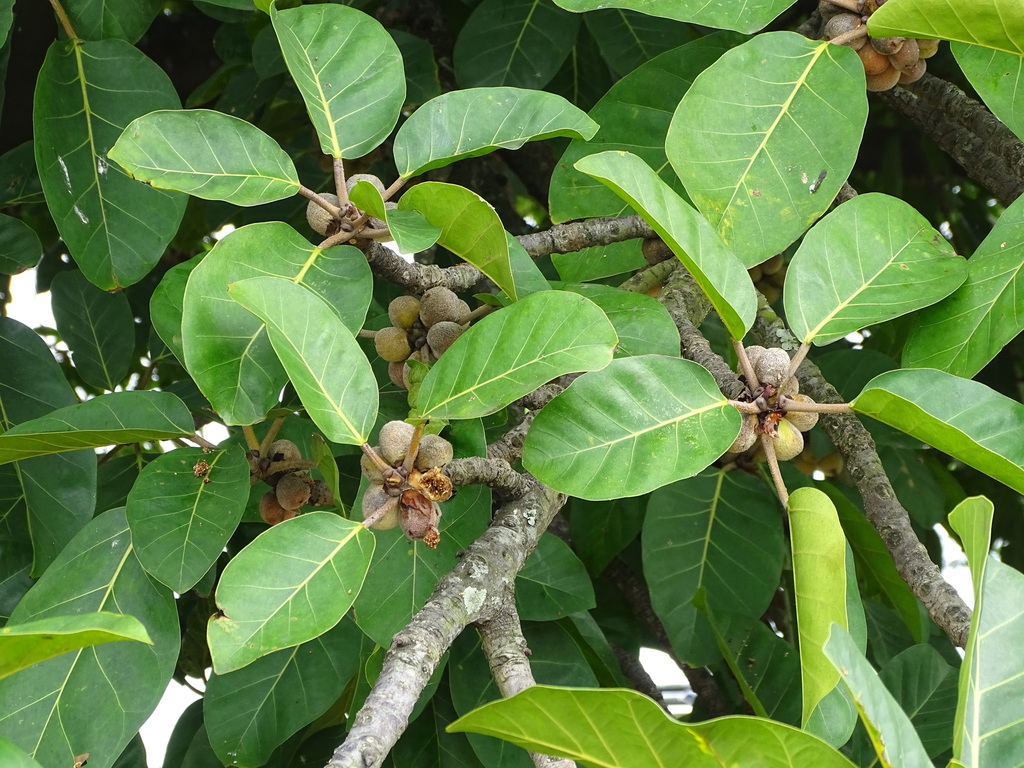
Giantleaf figs dominate lowland coastal and riverine canopies across sub-Saharan Africa with massive, spreading crowns that cast dense shade. Mature trees produce immense glossy leaves up to forty centimeters long, which often emerge flushed with bronze or reddish hues before turning deep emerald. During fruiting periods, spherical figs crowd tightly along the terminal branches, drawing an enormous community of fruit bats, hornbills, and primates that disperse its seeds across fragmented forest canopies.
Canopy TreeDeciduousWildlife Magnet
—observations
—countries
—peak records
Least ConcernConservation statusIUCN Red List categoriesLCNTVUENCREWEXLeast ConcernRed List categories, explained →
Diet & preyPhotosynthetic (autotroph)
Predators
- African Green Pigeon
- Trumpeter Hornbill
- Straw-coloured Fruit Bat
ThreatsDeforestation, coastal development, and clearing for agriculture
HabitatsCoastal lowland forests, swamp margins, riverine gallery woodlands, and moist evergreen forests
Life span100–200 years
Classification
- FamilyMoraceae
- SpeciesFicus lutea
Range data is not available yet.
Interaction riskHigh
- Low
- Moderate
- High
- Very high
- Why interaction risk is high
- Milky sap can irritate skin and is toxic to pets if ingested; wild fruits have toxic look-alikes.
- Why it is dangerous
- Produces a milky latex rich in ficin enzymes and furocoumarins that cause painful contact dermatitis and severe digestive upset in pets.
- How to recognize a risky encounter
- Recognize by very large leathery leaves, clustered stalkless figs near twig ends, and immediate oozing of white latex if bruised.
- What to do
- Wear gloves when pruning or propagating, wash hands thoroughly after contact, and keep pets away from fallen leaves and fruits.
Responsible observation
- Canopy scanning: Look upward in forest clearings or river edges to spot its unusually large, glossy foliage.
- Bird watching: Stake out fruiting branches early in the morning to observe a flurry of frugivorous birds and monkeys.
- Sap avoidance: Avoid snapping twigs or leaves, as the milky latex can cause skin irritation in sensitive individuals.
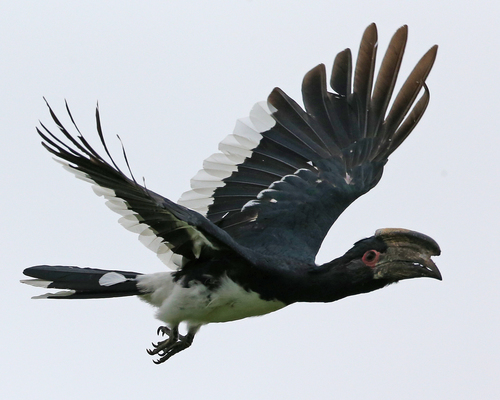
Seed Disperser (c) Lip Kee, some rights reserved (CC BY-SA) · cc-by-sa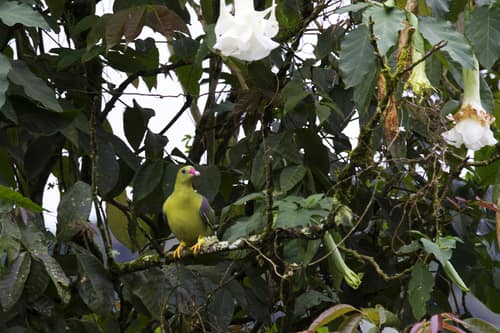
Seed Disperser (c) Chris Quirin, some rights reserved (CC BY), uploaded by Chris Quirin · cc-by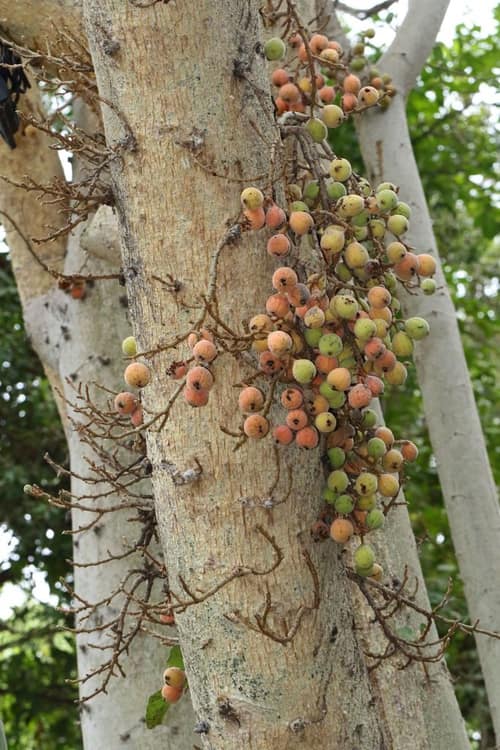
Close Relative (c) Alan Manson, some rights reserved (CC BY), uploaded by Alan Manson · cc-by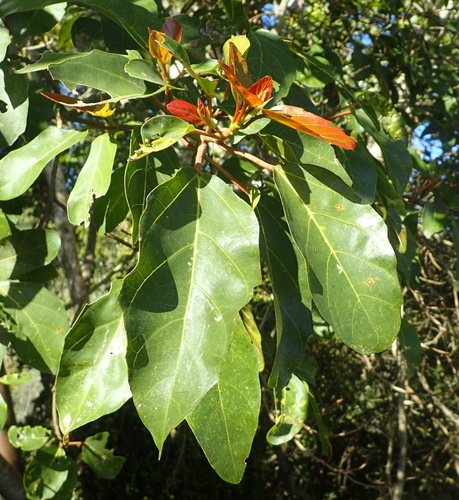
Close Relative (c) Nicola van Berkel, some rights reserved (CC BY-SA), uploaded by Nicola van Berkel · cc-by-sa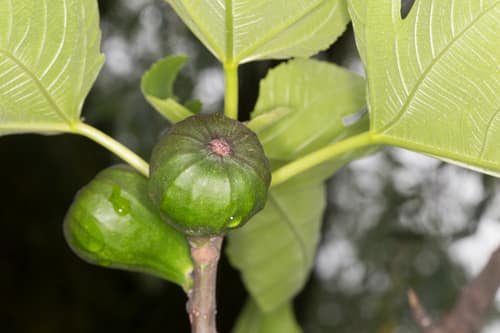
Close Relative (c) Drepanostoma, some rights reserved (CC BY), uploaded by Drepanostoma · cc-by
Help improve the field guideSomething wrong?
Checking your Fauna account…Report a name, category, or profile issue for review.