
Plant · GBIF taxon 5553951
Persian Ironwood
Parrotia persicaAlso known as Ironwood, Persian Parrotia
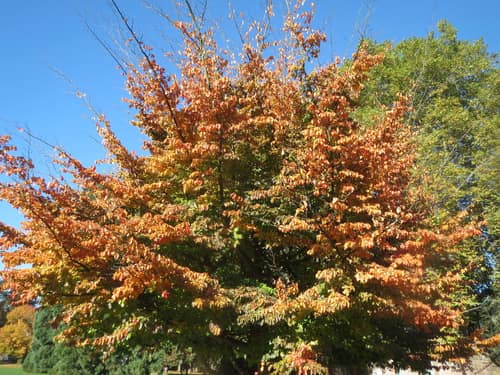
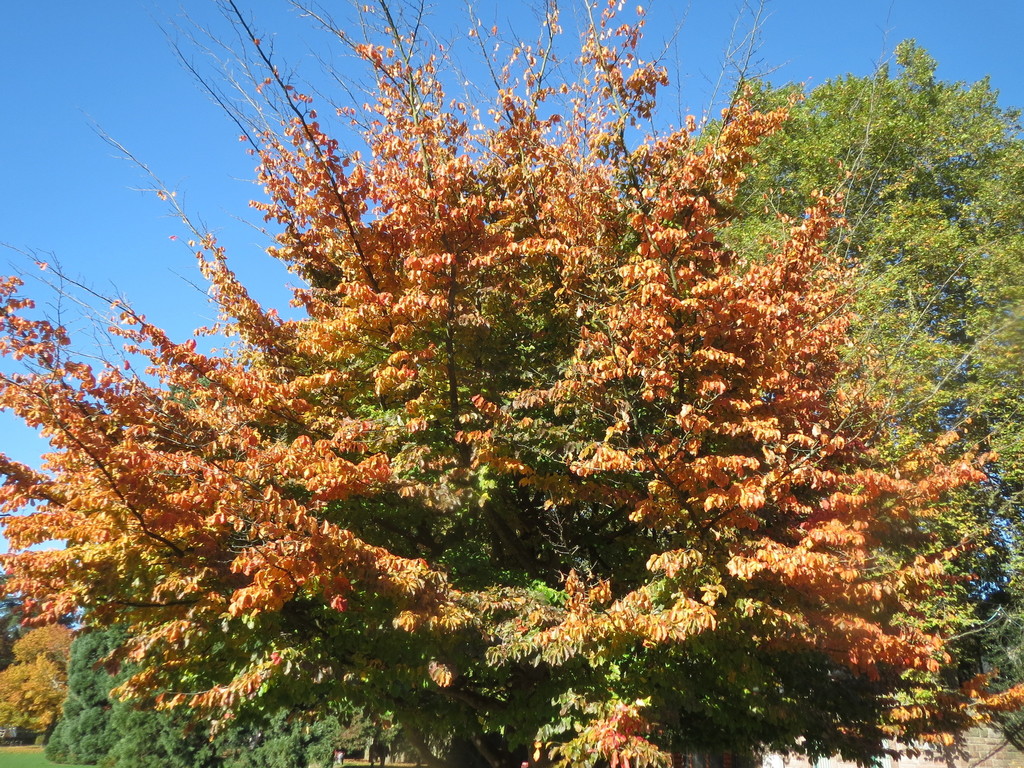
Persian ironwood features smooth, flaking bark that peels to reveal rich patches of green, tan, and cream, paired with apetalous late-winter flowers framed by crimson stamens. Native to the ancient Hyrcanian forests along the Caspian coast, its dense canopy transforms into brilliant shades of golden yellow, orange, and deep purple each autumn. Its remarkably dense, heavy timber earned it the common name ironwood, though today it is primarily cherished worldwide as an ornamental tree.
DeciduousOrnamentalColorful Autumn
—observations
—countries
—peak records
Near ThreatenedConservation statusIUCN Red List categoriesLCNTVUENCREWEXNear ThreatenedRed List categories, explained →
Diet & prey
- Sunlight
- Water
- Soil Nutrients
Predators
- Deer
- Insects
ThreatsDeforestation, habitat fragmentation, climate change
HabitatsHumid temperate deciduous forests, mountain slopes, river valleys
Life span150–200+ years
Size / weightNot available
Classification
- FamilyHamamelidaceae
- SpeciesParrotia persica
Range data is not available yet.
Interaction riskLow
- Low
- Moderate
- High
- Very high
- Why interaction risk is low
- Safe to observe at a normal distance.
- What to notice
- Recognizable by smooth grey bark peeling in patches to expose green and pinkish inner bark, along with crimson winter stamens.
- Support conservation
- Avoid compacting soil around roots or damaging low branches when observing wild or cultivated trees.
Responsible observation
- Autumn Foliage: Visit in late October or November to witness the brilliant amber and purple leaf display.
- Bark Observation: Inspect mature trunks year-round for unique flaking bark patterns resembling sycamore.
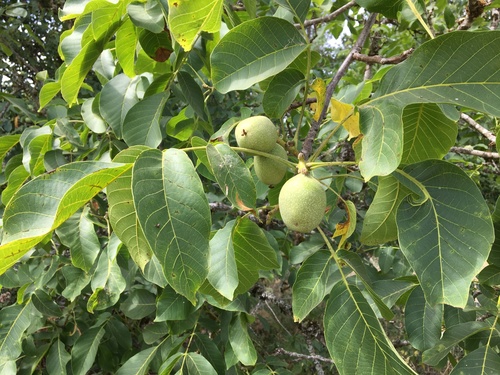
Frequent Companion (c) Ed Alverson, some rights reserved (CC BY), uploaded by Ed Alverson · cc-by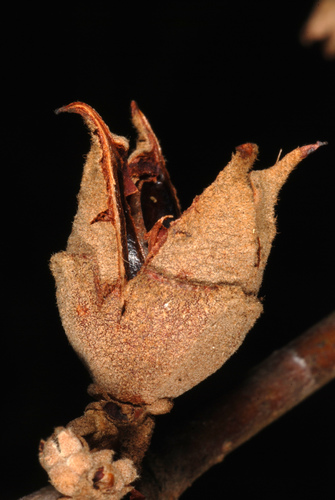
Close Relative (c) Douglas Goldman, some rights reserved (CC BY-SA), uploaded by Douglas Goldman · cc-by-sa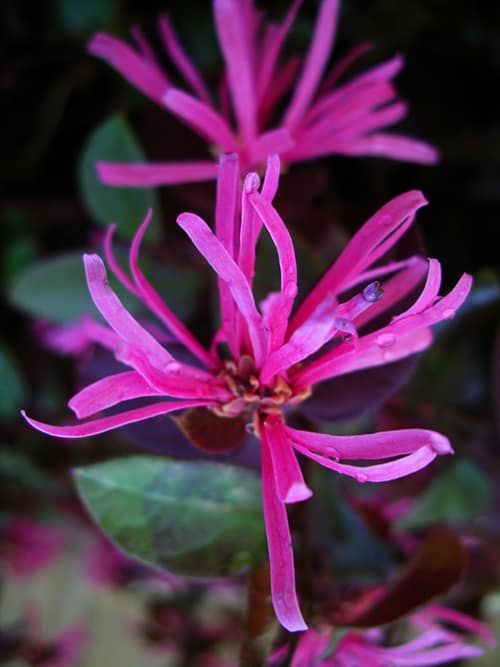
Close Relative Wikimedia Commons / Public domain · cc0
Help improve the field guideSomething wrong?
Checking your Fauna account…Report a name, category, or profile issue for review.