
Plant · GBIF taxon 5549644
Syringa pekinensis
Syringa pekinensisAlso known as Chinese Tree Lilac, Pekin Tree Lilac, Peking Lilac
Pekin lilacs produce massive, airy clusters of creamy-white blossoms in early summer that emit a light, privet-like scent attractive to bees and butterflies. Outstanding amongst lilacs, mature trunks develop lustrous, copper-amber bark that peels in delicate papery curls much like a birch. Native to northern Chinese valleys and rocky slopes, this hardy small tree easily withstands severe winter freezes, poor soils, and urban street stresses.
DeciduousFloweringOrnamental
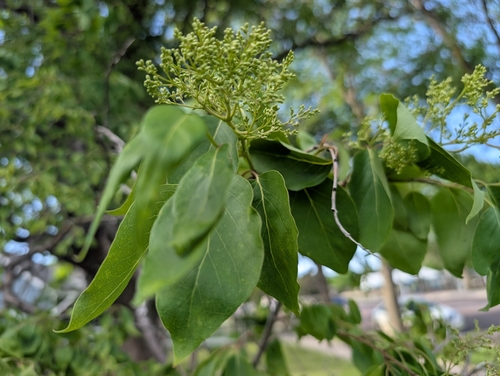
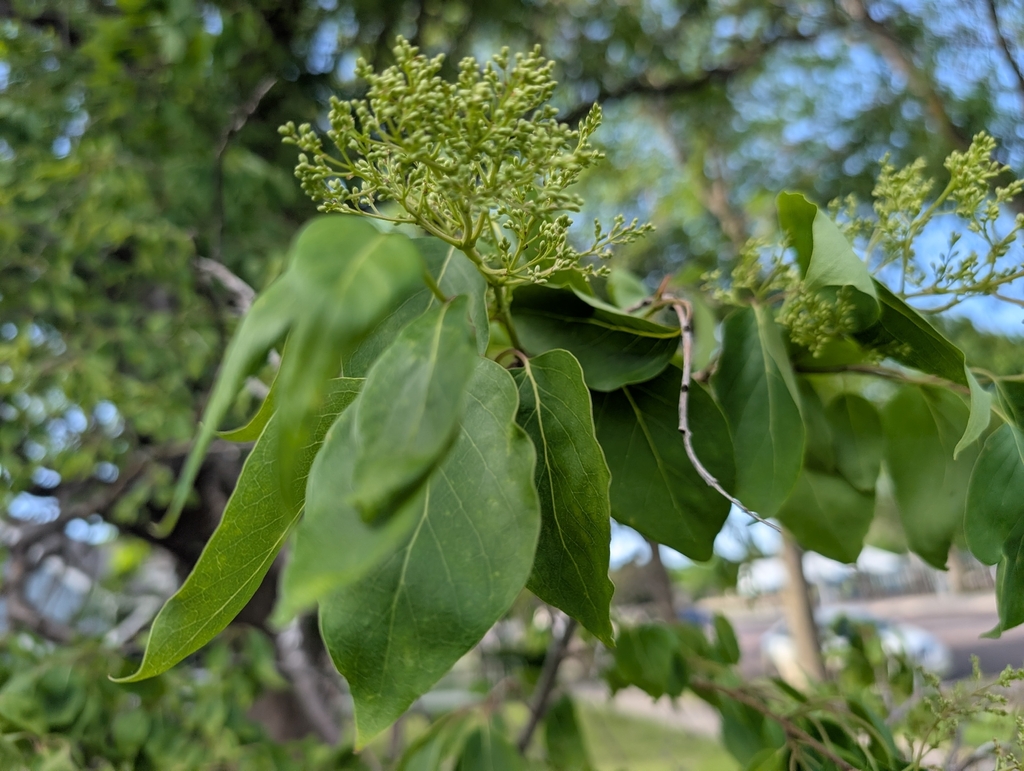
Licensed reference(c) Jeff Hansen, some rights reserved (CC BY) · cc-by
—observations
—countries
—peak records
Least ConcernConservation statusIUCN Red List categoriesLCNTVUENCREWEXLeast ConcernRed List categories, explained →
Diet & prey
- Autotrophic (photosynthesis)
Predators
- Lilac borer
- Japanese beetle
- White-tailed deer
ThreatsBacterial blight, lilac borers, and powdery mildew
HabitatsWooded slopes, valleys, ravines, and cultivated urban spaces
Life span40–60 years
Classification
- FamilyOleaceae
- SpeciesSyringa pekinensis
Range data is not available yet.
Interaction riskLow
- Low
- Moderate
- High
- Very high
- Why interaction risk is low
- Safe to observe at a normal distance.
Responsible observation
- Bark Viewing: Inspect the peeling, bronze-colored bark up close during winter months.
- Fragrance Timing: Seek out blooming panicles in early summer when insect pollinators are active.
- Cultivation Pruning: Prune branches immediately following bloom to protect emerging flower buds.
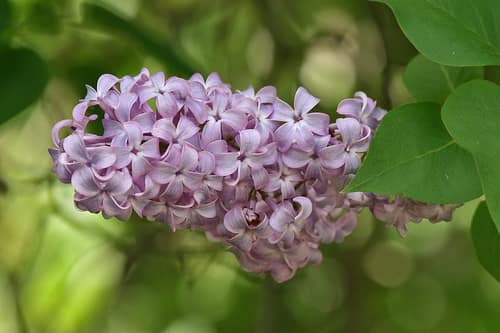
Same Genus Jjron / CC BY-SA 3.0 · cc-by-sa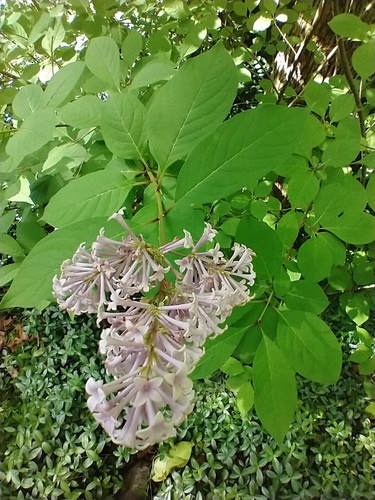
Same Genus (c) Tom Norton, some rights reserved (CC BY) · cc-by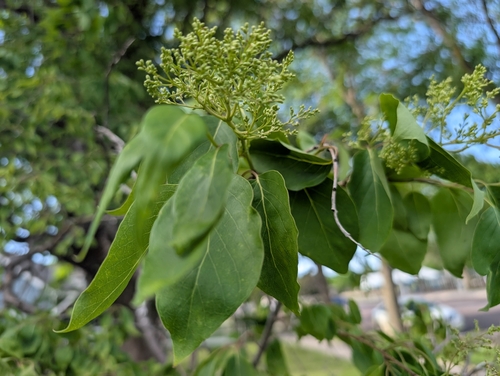
Close Relative (c) Jeff Hansen, some rights reserved (CC BY) · cc-by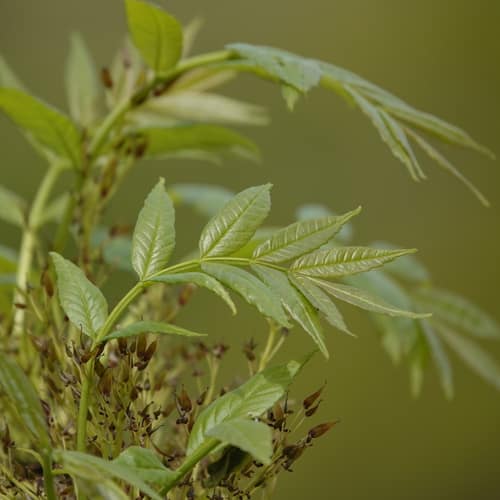
Same Family (c) Jais Knudsen, some rights reserved (CC BY), uploaded by Jais Knudsen · cc-by
Help improve the field guideSomething wrong?
Checking your Fauna account…Report a name, category, or profile issue for review.