
Flower
Pom Pom
Ptilotus manglesiiAlso known as Pom Poms, Mulla Mulla
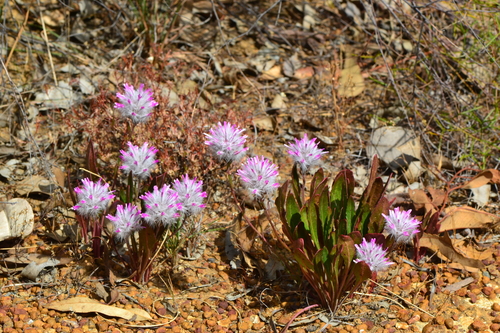
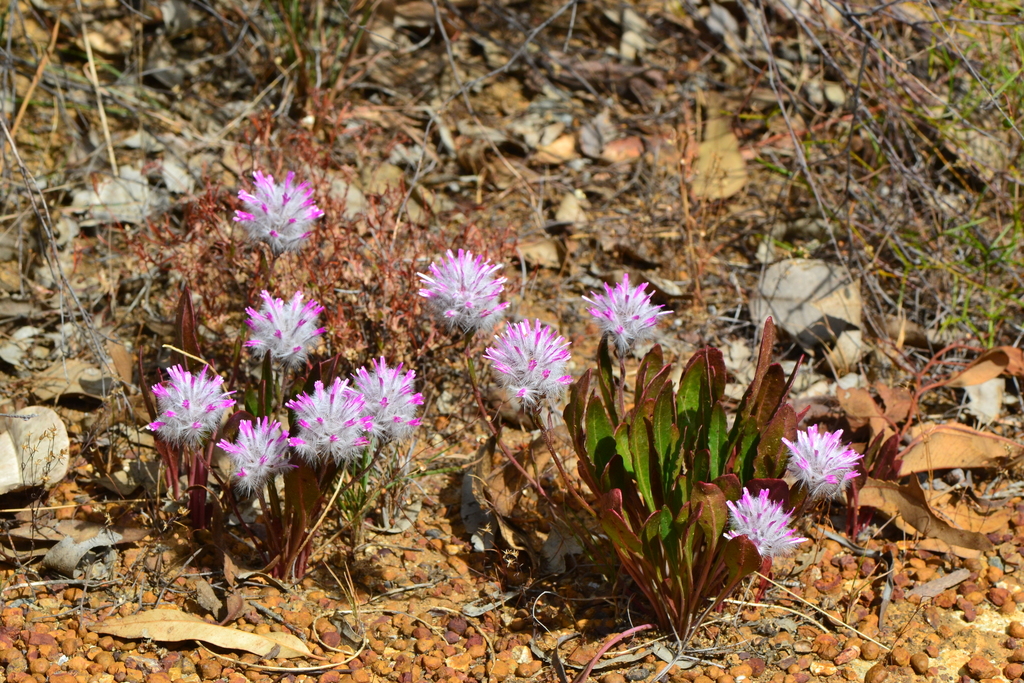
Sprawling across the sandy plains and open woodlands of southwestern Australia, pom poms carpet the ground with hemispherical tufts of feathery pink and magenta blossom heads each spring. The low-growing, prostrate foliage hugs nutrient-poor soils, while soft papery bracts shield the delicate flowers from harsh sunshine and drying coastal winds. Native solitary bees and butterflies frequently patrol the vivid flower clusters, making the plant a key nectar resource across the heathlands.
WildflowerEndemicPerennial
—observations
—countries
—peak records
Not EvaluatedConservation statusIUCN Red List categoriesLCNTVUENCREWEXNot Evaluated — not placed on the risk ladderRed List categories, explained →
Diet & preyAutotrophic (photosynthetic)
Predators
- Western grey kangaroo
- Introduced rabbit
- Caterpillars
ThreatsLand clearing, invasive weeds, and altered fire regimes
HabitatsSandy plains, gravelly woodlands, and coastal heathlands
Life span3–10 years
Classification
- OrderCaryophyllales
- FamilyAmaranthaceae
- GenusPtilotus
- SpeciesPtilotus manglesii
Range data is not available yet.
Interaction riskLow
- Low
- Moderate
- High
- Very high
- Why interaction risk is low
- Safe to observe at a normal distance.
Responsible observation
- Seasonal Timing: Search for vibrant magenta flower heads during the austral spring from September through November.
- Footwear Awareness: Tread carefully along sandy heath trails to avoid trampling the low-lying prostrate foliage.
 Image unavailable
Pollinator 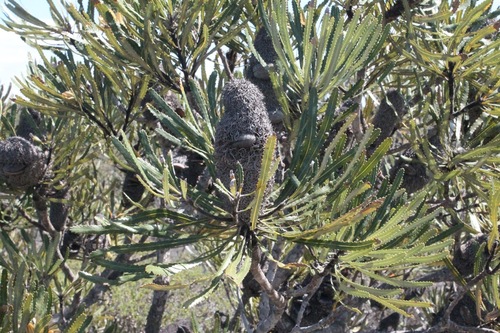
Frequent Companion (c) Malcolm Simard, some rights reserved (CC BY) · cc-by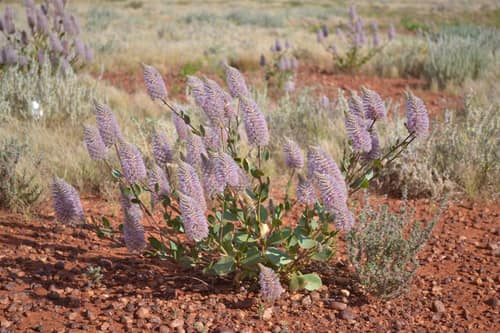
Close Relative (c) T. Hammer, some rights reserved (CC BY), uploaded by T. Hammer · cc-byClose Relative
Help improve the field guideSomething wrong?
Checking your Fauna account…Report a name, category, or profile issue for review.