
Plant
Tall Stewartia
Stewartia monadelphaAlso known as Orangebark Stewartia, Tall Camellia
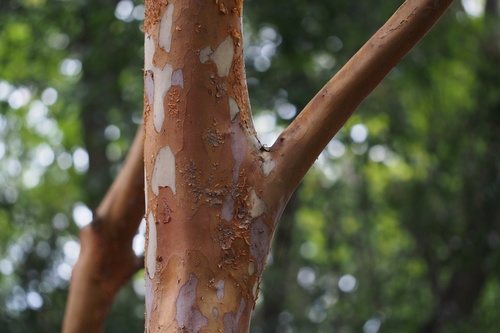
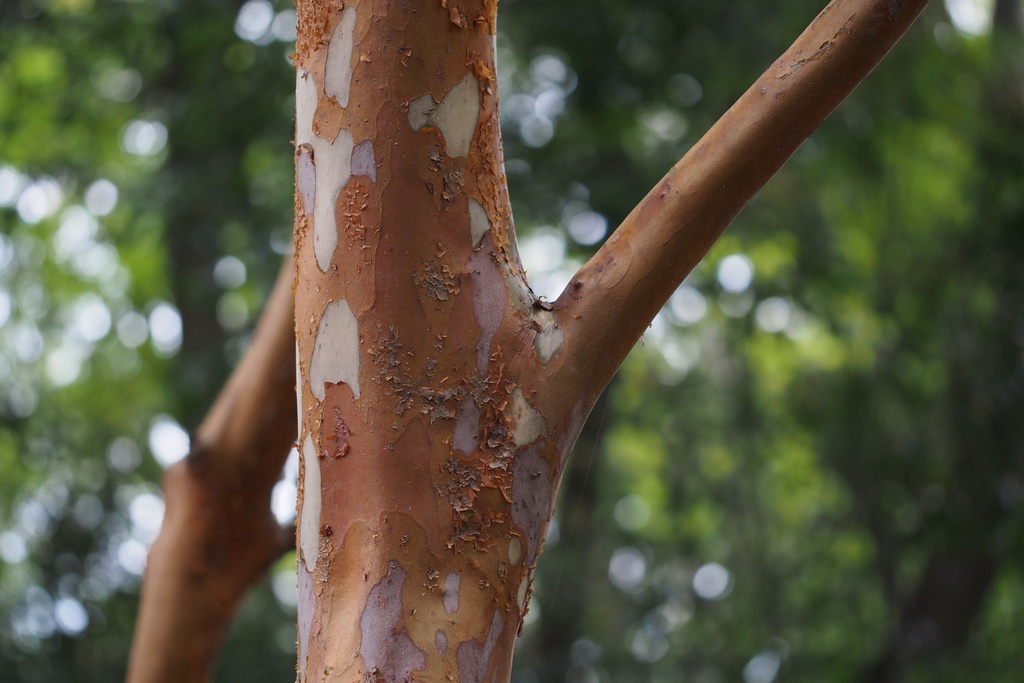
Smooth, rich cinnamon-orange bark peels in paper-thin flakes along the trunk, giving this small tree striking year-round interest. In early summer, delicate white cup-shaped blossoms open with prominent violet-tipped stamens to attract native pollinators. As autumn approaches, the glossy green leaves transition to deep crimson and glowing burnt orange before dropping to reveal its smooth structural stems.
FloweringTreeDeciduous
—observations
—countries
—peak records
Least ConcernConservation statusIUCN Red List categoriesLCNTVUENCREWEXLeast ConcernRed List categories, explained →
Diet & preyPhotosynthetic (autotrophic)
ThreatsHabitat fragmentation, extreme drought, and severe frost damage when young
HabitatsTemperate rainforests, mountain woods, and woodland gardens
Life span50–100 years
Classification
- OrderEricales
- FamilyTheaceae
- GenusStewartia
- SpeciesStewartia monadelpha
Range data is not available yet.
Interaction riskLow
- Low
- Moderate
- High
- Very high
- Why interaction risk is low
- Safe to observe at a normal distance.
Responsible observation
- Winter Bark: Examine the smooth trunk in winter when the peeling orange-cinnamon bark is most prominent.
- Summer Blooms: Look for white cup-shaped flowers with purple stamens opening in early to mid-summer.
- Garden Placement: Provide moist, acidic soil and partial shade to mimic its natural Japanese forest habitat.
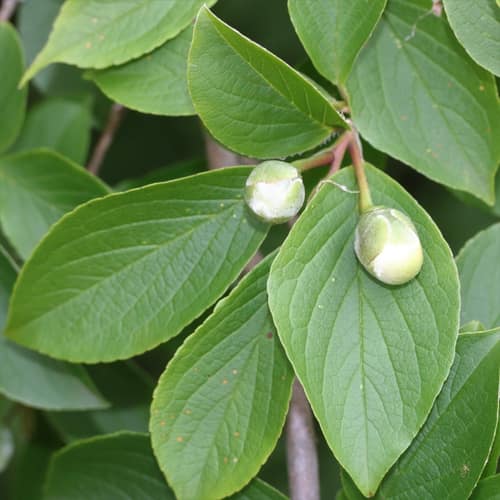
Close Relative (c) Alpsdake, some rights reserved (CC BY-SA) · cc-by-sa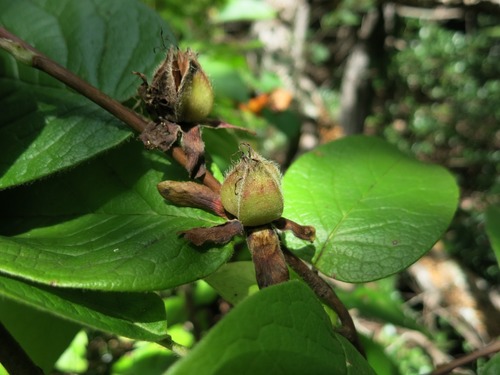
Close Relative (c) Evan M. Raskin, some rights reserved (CC BY), uploaded by Evan M. Raskin · cc-by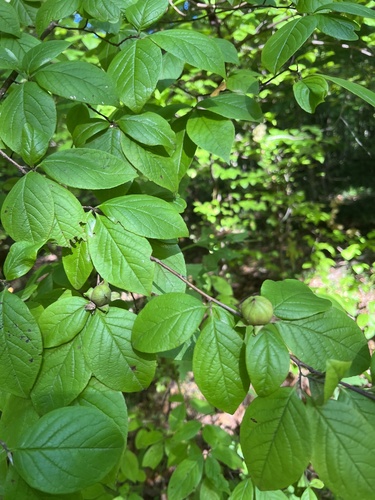
Close Relative (c) sblumen, some rights reserved (CC BY) · cc-by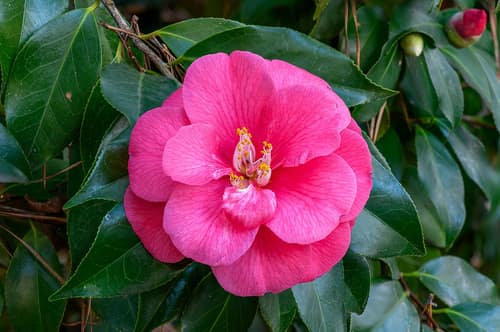
Family Relative PumpkinSky / CC BY-SA 3.0 · cc-by-sa
Help improve the field guideSomething wrong?
Checking your Fauna account…Report a name, category, or profile issue for review.