
Fungi · GBIF taxon 5448302
Bioluminescent Mushroom
Mycena lux-coeliAlso known as Shii-no-tomoshibi-take, Heavenly Light Mushroom
These delicate, pale brown mushrooms sprout on decaying wood in the humid forests of Japan's subtropical islands, particularly during the rainy season. By day, they appear as unassuming, translucent-capped fungi, but nightfall reveals a brilliant, continuous pale green bioluminescence emanating from their gills. This ethereal glow is powered by a chemical reaction that helps attract nocturnal insects to disperse their spores.
BioluminescentFungusNocturnal
—observations
—countries
—peak records
Not EvaluatedConservation statusIUCN Red List categoriesLCNTVUENCREWEXNot Evaluated — not placed on the risk ladderRed List categories, explained →
Diet & prey
- Decaying wood
- Lignin
- Cellulose
Predators
- Slugs
- Snails
- Insects
ThreatsHabitat loss, deforestation, climate change affecting humidity
HabitatsSubtropical forests, decaying logs
Life spanFruiting bodies last 1 to 3 days; mycelium lives for years
Size / weightNot available
Classification
- FamilyMycenaceae
- SpeciesMycena lux-coeli
Range data is not available yet.
Interaction riskHigh
- Low
- Moderate
- High
- Very high
- Why interaction risk is high
- Many edible mushrooms have toxic look-alikes; never eat wild fungi based on app identification alone.
- Why it is dangerous
- Contains potential gastrointestinal toxins common to the Mycena genus, which can cause severe stomach upset if consumed.
- How to recognize a risky encounter
- Look for tiny, bell-shaped pale brown caps growing on decaying wood that emit a green glow in total darkness.
- What to do
- Observe and photograph without touching; never harvest or consume any wild mushrooms.
- What to notice
- Recognized by its small size, delicate gills, and restricted range on subtropical Japanese islands.
- Support conservation
- Stay on designated forest paths to avoid trampling the delicate mycelium in the soil.
Responsible observation
- Nighttime Viewing: Visit humid forests during the rainy season after dark to see the green glow.
- Avoid Touching: Keep hands off the delicate fruiting bodies to prevent damaging the fragile caps.
- Photography: Use a tripod and long exposure to capture the faint bioluminescent light.
 Image unavailable
Host Tree 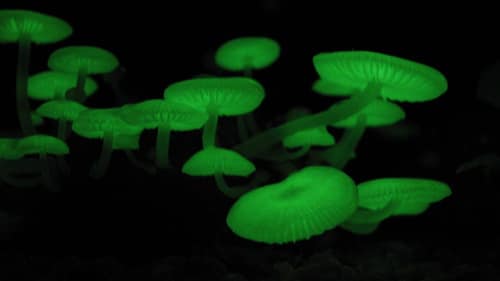
Close Relative self / CC BY-SA 3.0 · cc-by-sa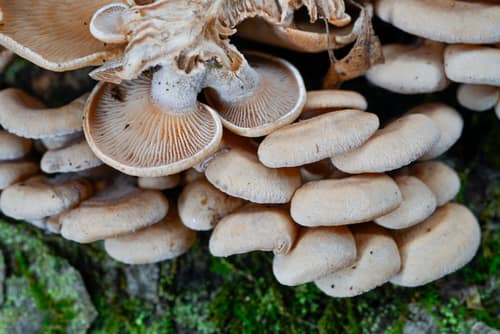
Bioluminescent Relative (c) Alan Rockefeller, some rights reserved (CC BY), uploaded by Alan Rockefeller · cc-by
Help improve the field guideSomething wrong?
Checking your Fauna account…Report a name, category, or profile issue for review.