
Fungus · GBIF taxon 5426027
Dog Vomit Slime Mold
Fuligo septicaAlso known as Scrambled Egg Slime, Flowers Of Tan
Dog vomit slime mold thrives as a single giant multinucleated cell known as a plasmodium, slowly creeping across decaying organic matter to engulf bacteria, yeasts, and fungal spores. When environmental conditions turn dry or food runs scarce, this vibrant yellow mass consolidates into a spongy, cushion-like fruiting body called an aethalium. It produces extreme concentrations of a yellow pigment called fuligorubin A, which binds toxic heavy metals like zinc and allows the organism to flourish on industrial substrates and treated wood mulch.
AmoeboidDecomposerUrban Wildlife
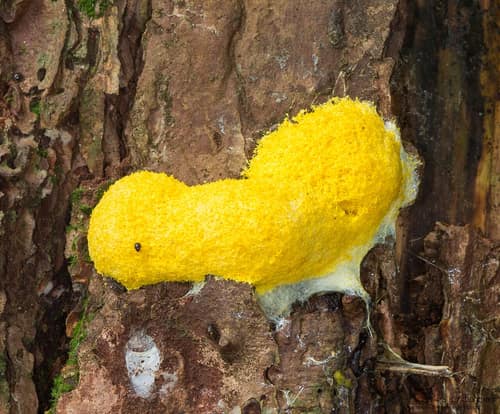
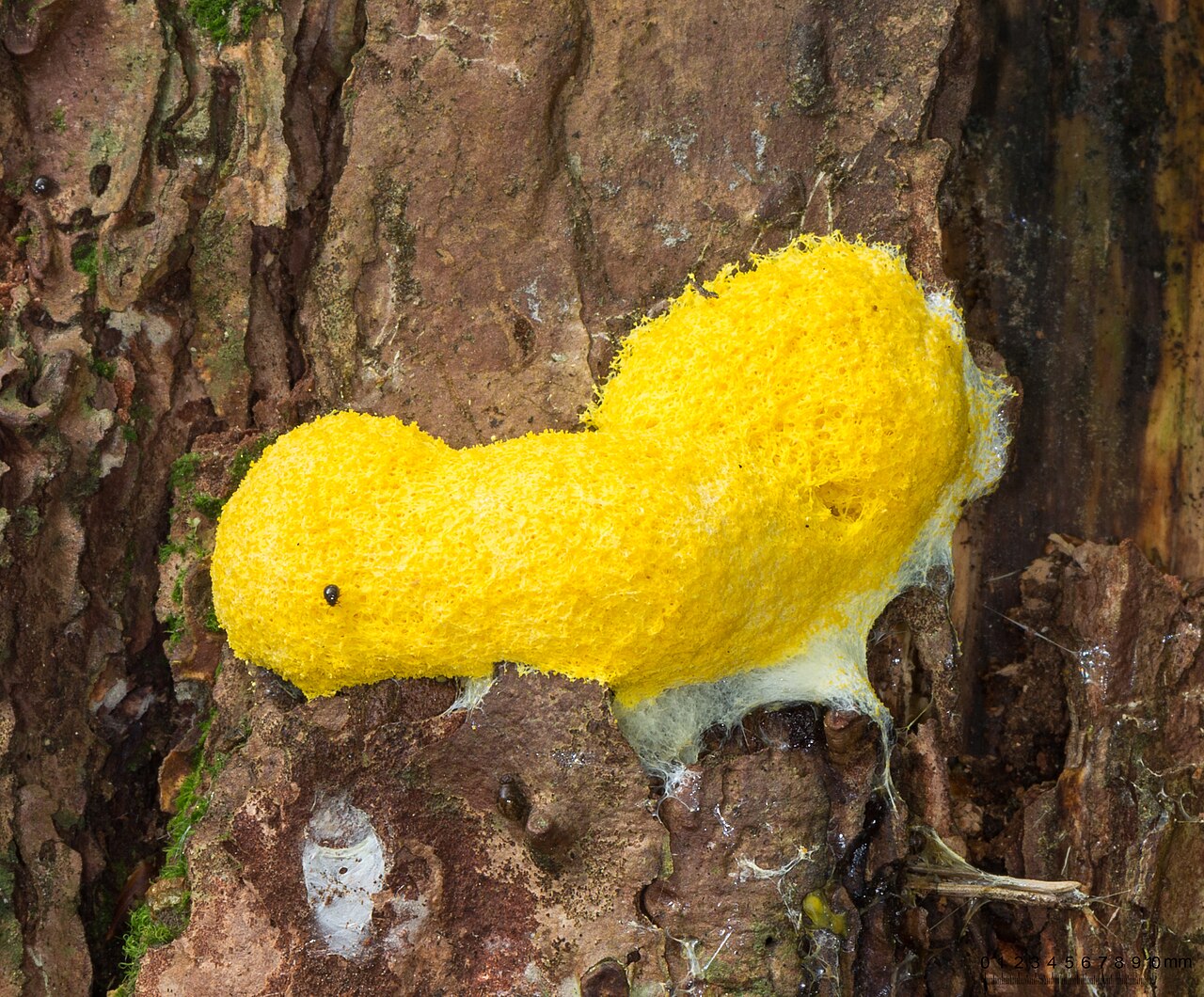
—observations
—countries
—peak records
Not EvaluatedConservation statusIUCN Red List categoriesLCNTVUENCREWEXNot Evaluated — not placed on the risk ladderRed List categories, explained →
Diet & prey
- Bacteria
- Yeasts
- Fungal Spores
Predators
- Beetles
- Slugs
- Springtails
ThreatsDrying winds, severe prolonged drought, and soil sterilization
HabitatsDecaying wood, bark mulch, compost heaps, and damp lawns
Life spanPlasmodial stage lasts days to weeks; spores remain viable for decades
Size / weightNot available
Classification
- OrderPhysarales
- FamilyPhysaraceae
- GenusFuligo
- SpeciesFuligo septica
Range data is not available yet.
Interaction riskLow
- Low
- Moderate
- High
- Very high
- Why interaction risk is low
- Safe to observe at a normal distance; avoid inhaling dust from mature, powdery fruiting bodies.
Responsible observation
- Mulch Tracking: Return to the same patch of fresh garden mulch over several hours to watch its shape shift as it moves.
- Spore Dispersal: Leave mature, crusty specimens undisturbed so their windblown spores can fulfill their ecological cycle.
 Image unavailable
Slime Mold Neighbor 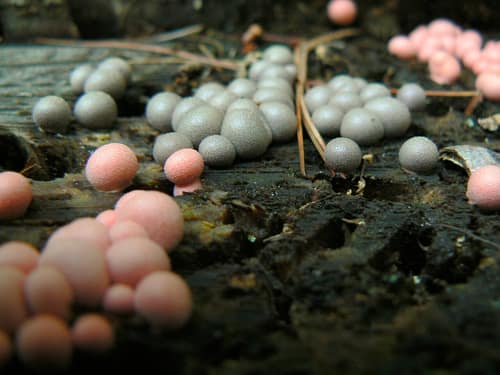
Slime Mold Neighbor Benny Mazur from Toledo, OH / CC BY 2.0 · cc-by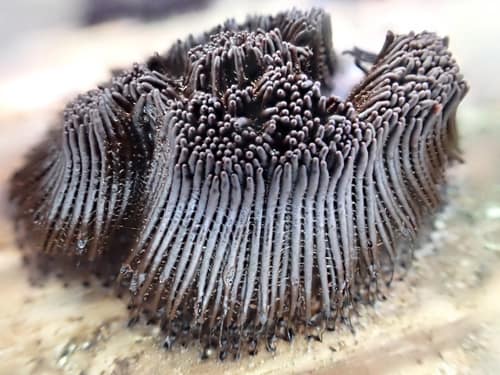
Slime Mold Neighbor (c) Johan Adler, some rights reserved (CC BY), uploaded by Johan Adler · cc-by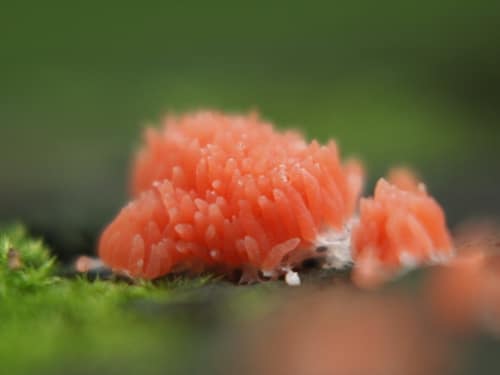
Slime Mold Neighbor (c) Kirill Ignatyev, some rights reserved (CC BY-SA) · cc-by-sa
Help improve the field guideSomething wrong?
Checking your Fauna account…Report a name, category, or profile issue for review.