
Plant · GBIF taxon 5421389
Purple Pitcher Plant
Sarracenia purpureaAlso known as Northern Pitcher Plant, Turtle Socks, Side-Saddle Flower
Purple pitcher plants lure insects into rainwater-filled leaves using rich red vein patterns and sweet nectar along the pitcher rim. Trapped invertebrates sink and drown, gradually broken down by digestive enzymes and a specialized aquatic ecosystem of bacteria and insect larvae. Nodding purple-red flowers rise high above the traps on tall stalks in early spring to protect pollinators from falling into the pitchers below.
CarnivorousWetlandPerennial
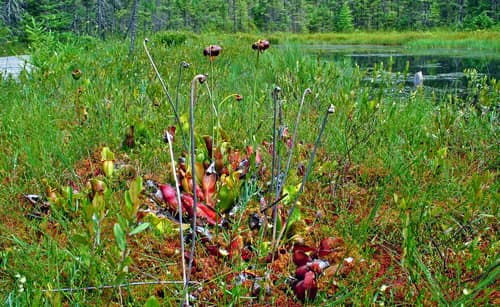
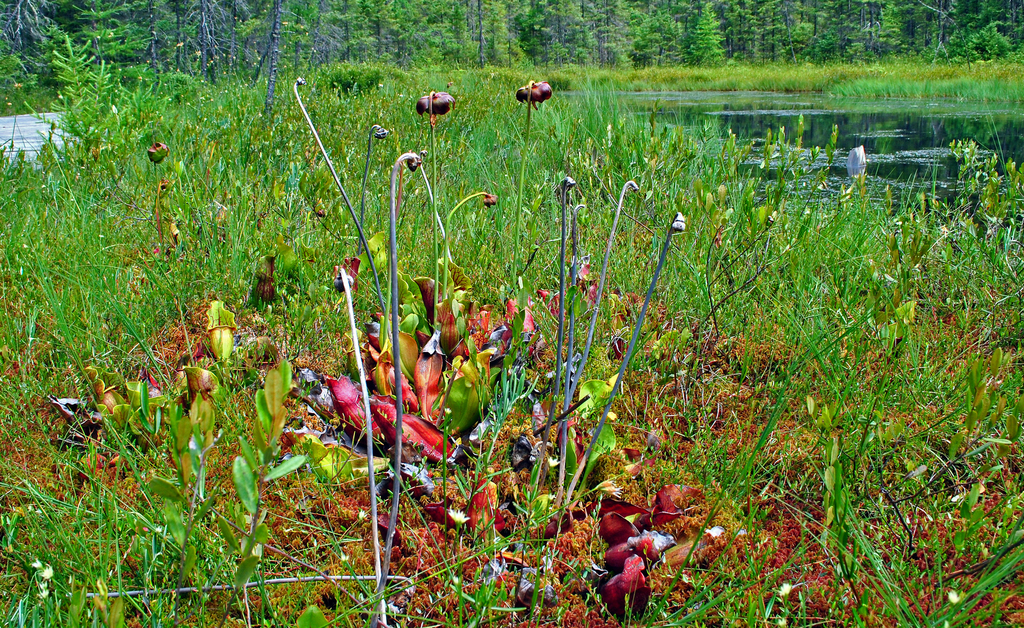
—observations
—countries
—peak records
Least ConcernConservation statusIUCN Red List categoriesLCNTVUENCREWEXLeast ConcernRed List categories, explained →
Diet & prey
- Ants
- Flies
- Beetles
Predators
- Sarracenia Moth Larvae
- Slugs
- White-Tailed Deer
ThreatsWetland destruction, peat harvesting, and illegal wild collection
HabitatsAcidic sphagnum bogs, peatlands, and marl fens
Life span20–50 years
Size / weightNot available
Classification
- FamilySarraceniaceae
- SpeciesSarracenia purpurea
Range data is not available yet.
Interaction riskLow
- Low
- Moderate
- High
- Very high
- Why interaction risk is low
- Safe to observe at a normal distance.
- What to notice
- Recognizable by low rosettes of fat, reddish-green, pitcher-shaped leaves nestling in wet sphagnum moss.
- Support conservation
- Observe from established boardwalks or trails, never step into fragile bog mats, and never harvest wild plants.
Responsible observation
- Observing Traps: Peek into water-filled pitchers during summer to spot trapped prey or symbiotic mosquito larvae.
- Flower Structure: Look for the umbrella-like style under spring blooms designed to prevent self-pollination.
- Bog Etiquette: Stick strictly to boardwalks to avoid damaging delicate peat soil and root systems.
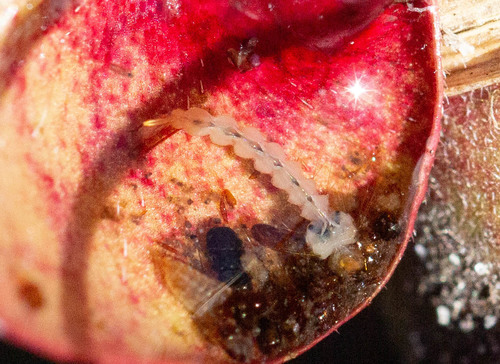
Symbiont (c) Jessica, some rights reserved (CC BY), uploaded by Jessica · cc-by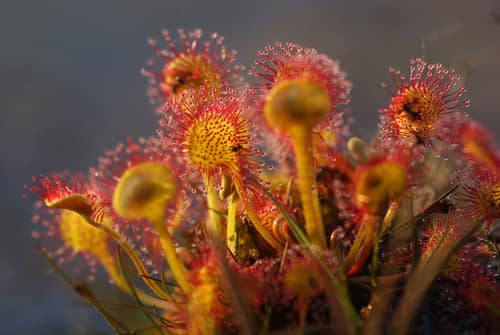
Frequent Companion (c) Sylvain Montagner, some rights reserved (CC BY), uploaded by Sylvain Montagner · cc-by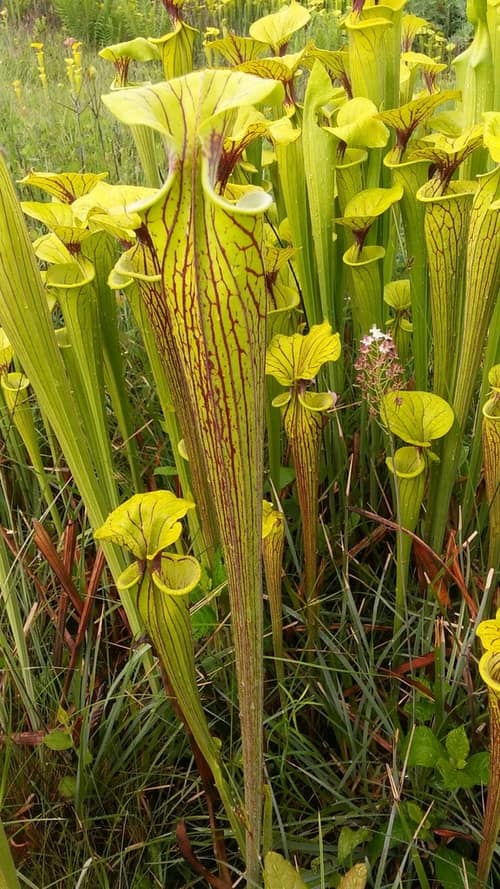
Close Relative (c) Alpha Wolf, some rights reserved (CC BY), uploaded by Alpha Wolf · cc-by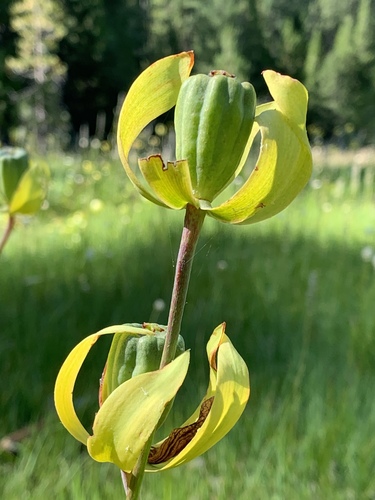
Close Relative no rights reserved, uploaded by Leah Gardner · cc0
Help improve the field guideSomething wrong?
Checking your Fauna account…Report a name, category, or profile issue for review.