
Plant · GBIF taxon 5421060
Autograph Tree
Clusia roseaAlso known as Copey, Cupey, Balsam Apple, Pitch-Apple
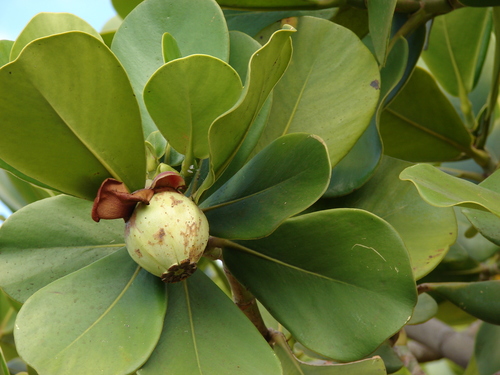
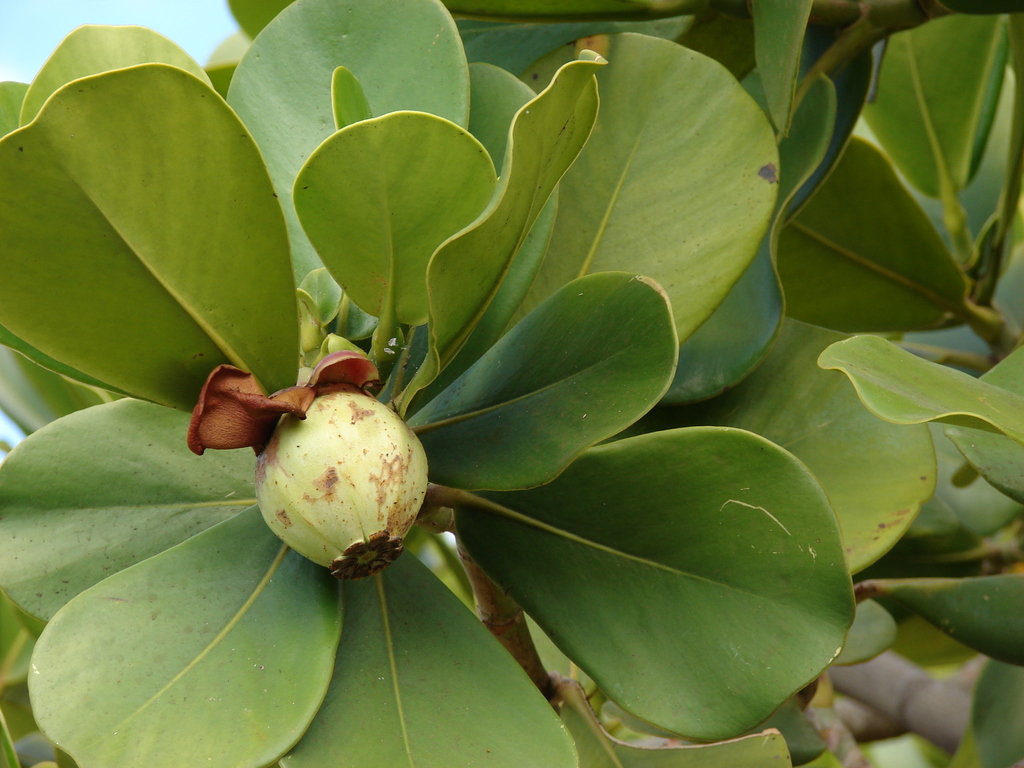
Autograph trees often begin life as epiphytes high in the forest canopy, eventually sending down thick aerial roots that envelope and strangle their host plant. Their thick, leathery leaves retain scratched marks for years, giving rise to their signature common name. Large pink and white blooms open at dusk to reward nighttime pollinators before developing into star-like fruit capsules.
EvergreenFloweringTropical
—observations
—countries
—peak records
Least ConcernConservation statusIUCN Red List categoriesLCNTVUENCREWEXLeast ConcernRed List categories, explained →
Diet & prey
- Sunlight
- Water
- Soil Nutrients
ThreatsHabitat disruption in native ranges and risk of spreading as an invasive species elsewhere
HabitatsCoastal thickets, rocky limestone cliffs, tropical woodlands
Life span40–100 years
Classification
- OrderMalpighiales
- FamilyClusiaceae
- GenusClusia
- SpeciesClusia rosea
Range data is not available yet.
Interaction riskHigh
- Low
- Moderate
- High
- Very high
- Why interaction risk is high
- Sap and fruit contain toxic resins and latex; avoid contact with skin and never ingest.
- Why it is dangerous
- Contains toxic resins and milky latex that cause vomiting, severe stomach irritation, and contact dermatitis upon exposure.
- How to recognize a risky encounter
- Recognized by thick paddle-shaped leaves, prop roots, and rounded green fruits that split open into star-like shapes.
- What to do
- Wear gloves when trimming stems, avoid getting sap on bare skin or eyes, and keep pets away from fallen fruits.
Responsible observation
- Observation: Inspect the smooth, thick leaves to notice how healed surface scratches remain clearly visible for months.
- Landscape awareness: Keep a safe distance from large specimens on property lines, as aggressive aerial roots can displace masonry.
- Flower watching: Check branches in late afternoon to spot pinkish-white petals expanding before twilight.
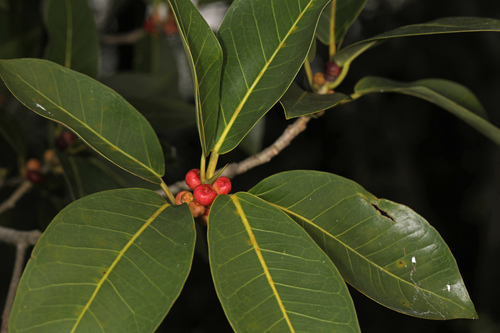
Ecological Counterpart (c) Judy Gallagher, some rights reserved (CC BY-SA), uploaded by Judy Gallagher · cc-by-sa Image unavailable
Close Relative 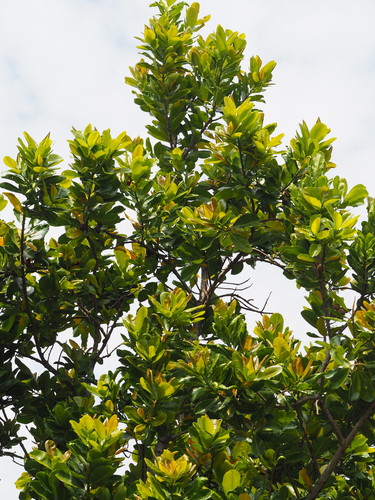
Family Member no rights reserved, uploaded by 葉子 · cc0
Help improve the field guideSomething wrong?
Checking your Fauna account…Report a name, category, or profile issue for review.