
Plant
Green Buttonwood
Conocarpus erectusAlso known as Buttonwood, Button Mangrove, Zaragoza Mangrove
Green buttonwood anchors coastal transition zones just above the high-tide line, forming dense thickets that buffer shorelines against storm surges and wind. Its leathery, elliptical leaves feature specialized salt-excreting glands at the base of each blade, allowing it to thrive in saline soils where few other terrestrial trees survive. In late summer, spherical flower heads mature into reddish-brown, cone-like button clusters that disperse via coastal water currents.
CoastalMangroveSalt-Tolerant
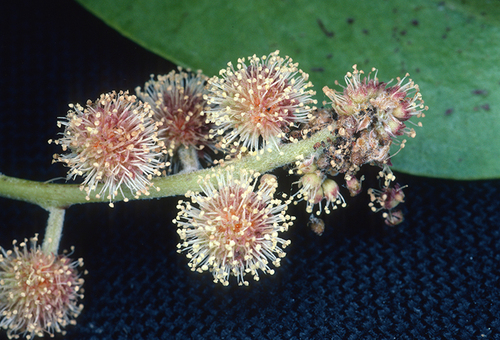
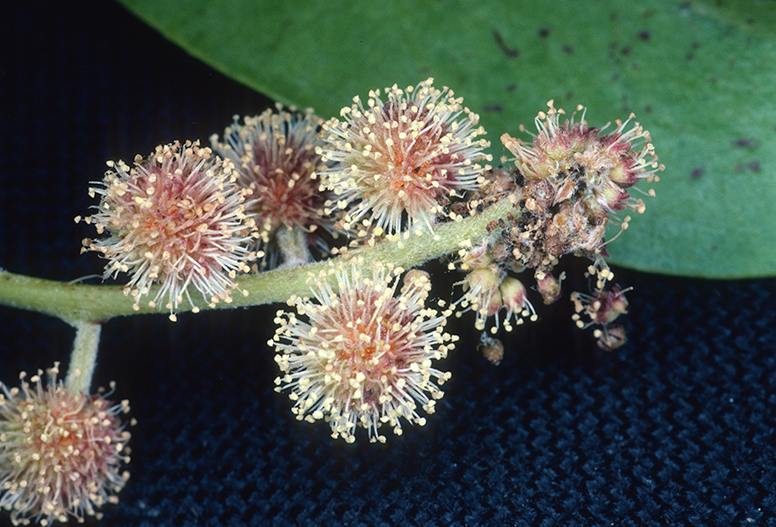
—observations
—countries
—peak records
Least ConcernConservation statusIUCN Red List categoriesLCNTVUENCREWEXLeast ConcernRed List categories, explained →
Diet & preyPhotoautotroph (sunlight, water, carbon dioxide)
Predators
- Mangrove Tree Crab
- Florida Hornworm
- Coastal Scale Insects
ThreatsCoastal development, shoreline hardening, severe freezes
HabitatsTidal mangrove margins, coastal strand, brackish marshes, beach dunes
Life span50–100 years
Classification
- OrderMyrtales
- FamilyCombretaceae
- GenusConocarpus
- SpeciesConocarpus erectus
Range data is not available yet.
Interaction riskLow
- Low
- Moderate
- High
- Very high
- Why interaction risk is low
- Safe to observe at a normal distance.
Responsible observation
- Foliage Inspection: Look closely at leaf stems to spot the paired salt-excreting glands.
- Habitat Clue: Find this species just upland of true mangroves where soils remain drier.
- Fruit Identification: Note the button-shaped, scaly purplish-brown seed clusters year-round.
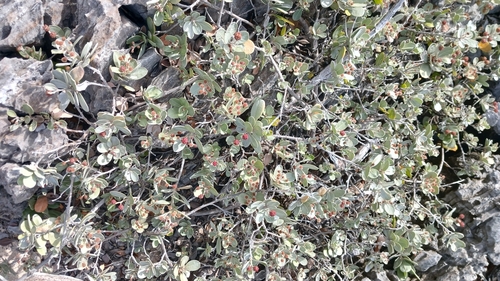
Variety (c) Mario Guzmán, some rights reserved (CC BY) · cc-by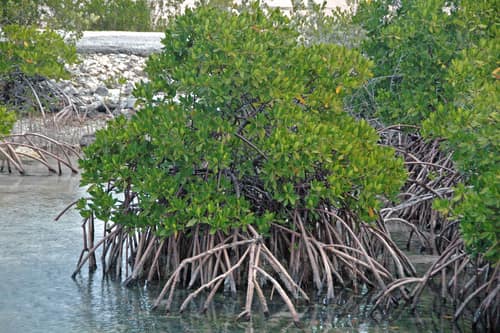
Frequent Companion (c) James St. John, some rights reserved (CC BY) · cc-by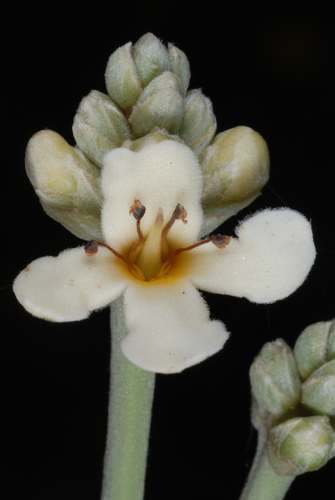
Frequent Companion (c) Douglas Goldman, some rights reserved (CC BY-SA), uploaded by Douglas Goldman · cc-by-sa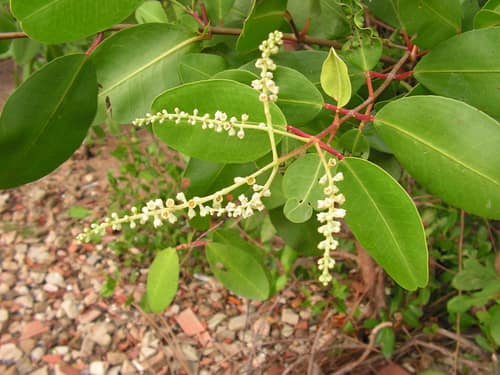
Close Relative (c) Tarciso Leão, some rights reserved (CC BY) · cc-by
Help improve the field guideSomething wrong?
Checking your Fauna account…Report a name, category, or profile issue for review.