
Plant
Swamp Loosestrife
Decodon verticillatusAlso known as Waterwillow, Water Willow, Hairy Swamp Loosestrife
Swamp loosestrife is an arching wetland perennial that forms thickets along marsh borders, pond edges, and sluggish streams across eastern North America. Its woody stems develop soft, spongy floating tissue near the waterline, rooting wherever the tips dip back into shallow water. In late summer, clusters of rich pink to purple flowers bloom in the upper leaf axils, providing an abundant nectar source for native bumblebees and butterflies.
WetlandFloweringNative
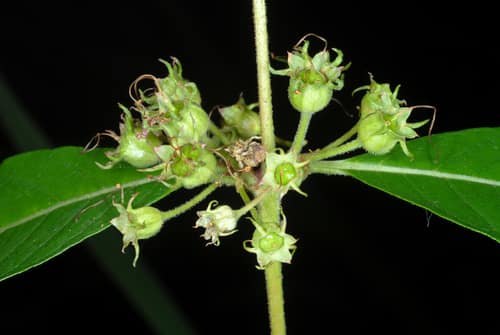
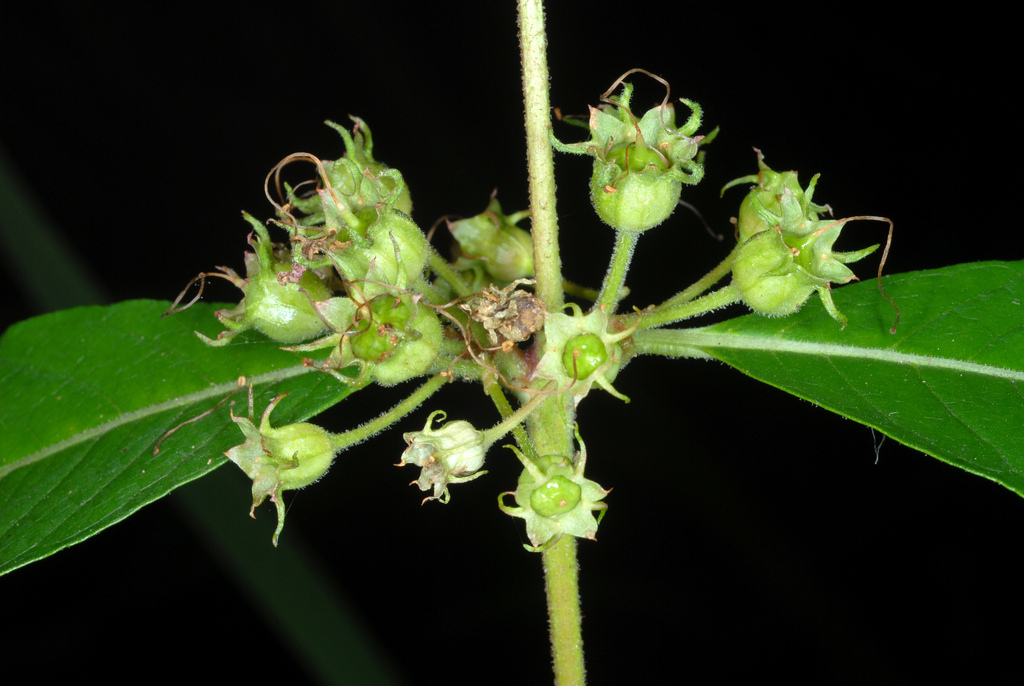
—observations
—countries
—peak records
Least ConcernConservation statusIUCN Red List categoriesLCNTVUENCREWEXLeast ConcernRed List categories, explained →
Diet & preyAutotrophic (Photosynthesis)
Predators
- Muskrats
- Waterfowl
- Beavers
ThreatsWetland drainage and competition from non-native purple loosestrife
HabitatsMarshes, bogs, swamp borders, quiet lake shores
Life spanPerennial
Classification
- OrderMyrtales
- FamilyLythraceae
- GenusDecodon
- SpeciesDecodon verticillatus
Range data is not available yet.
Interaction riskLow
- Low
- Moderate
- High
- Very high
- Why interaction risk is low
- Safe to observe at a normal distance.
Responsible observation
- Habitat timing: Search sunny lake margins and bog edges from midsummer to early autumn for peak blooming.
- Stem inspection: Look at the submerged stem bases to spot the swollen, corky white tissue that aids flotation.
- Wildlife watching: Scan dense thickets for nesting songbirds and roosting dragonflies.
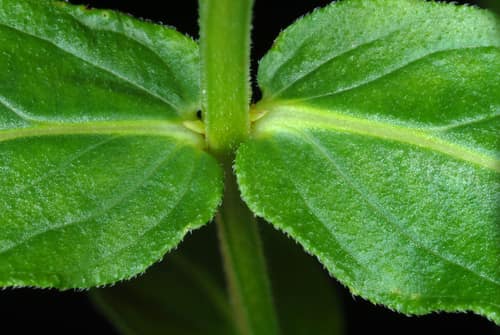
Invasive Competitor (c) Douglas Goldman, some rights reserved (CC BY-SA), uploaded by Douglas Goldman · cc-by-sa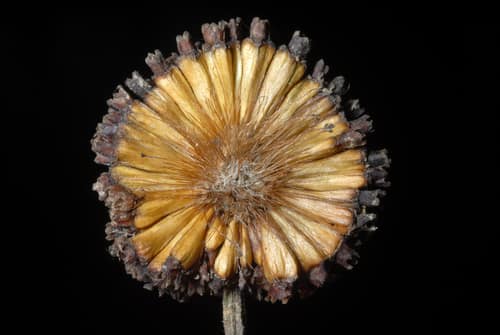
Frequent Companion (c) Douglas Goldman, some rights reserved (CC BY-SA), uploaded by Douglas Goldman · cc-by-sa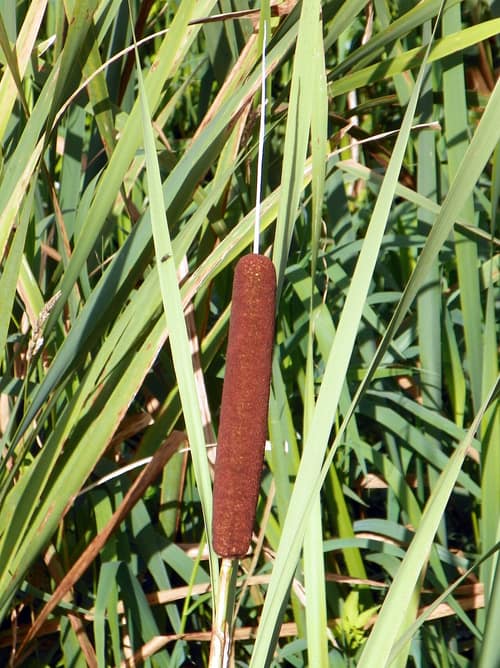
Frequent Companion Peter O'Connor aka anemoneprojectors from Stevenage, United Kingdom / CC BY-SA 2.0 · cc-by-sa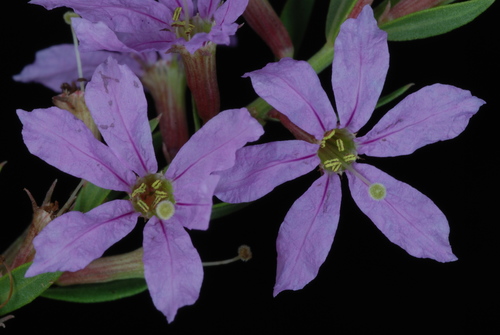
Native Relative (c) Douglas Goldman, some rights reserved (CC BY-SA), uploaded by Douglas Goldman · cc-by-sa
Help improve the field guideSomething wrong?
Checking your Fauna account…Report a name, category, or profile issue for review.