
Plant · GBIF taxon 5420309
Arrayan
Luma apiculataAlso known as Chilean Myrtle, Temu, Palo Colorado, Shortleaf Myrtle
Chilean myrtles are celebrated for their strikingly smooth, cinnamon-orange bark that sheds in soft flakes and feels noticeably cool to the touch. In Valdivian temperate rainforests, these twisted evergreen trees form dense thickets illuminated by fragrant white flowers in late summer. Dark purple berries follow the blossoms, providing an essential autumn food source for native woodland birds.
EvergreenFragrant FlowersRainforest
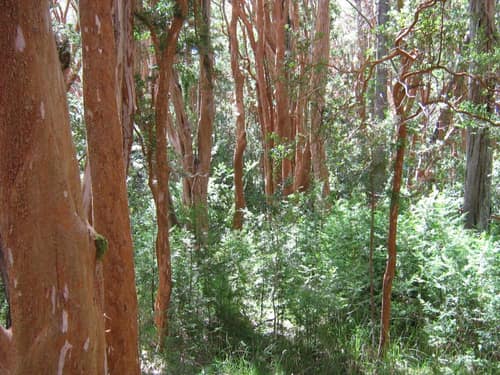
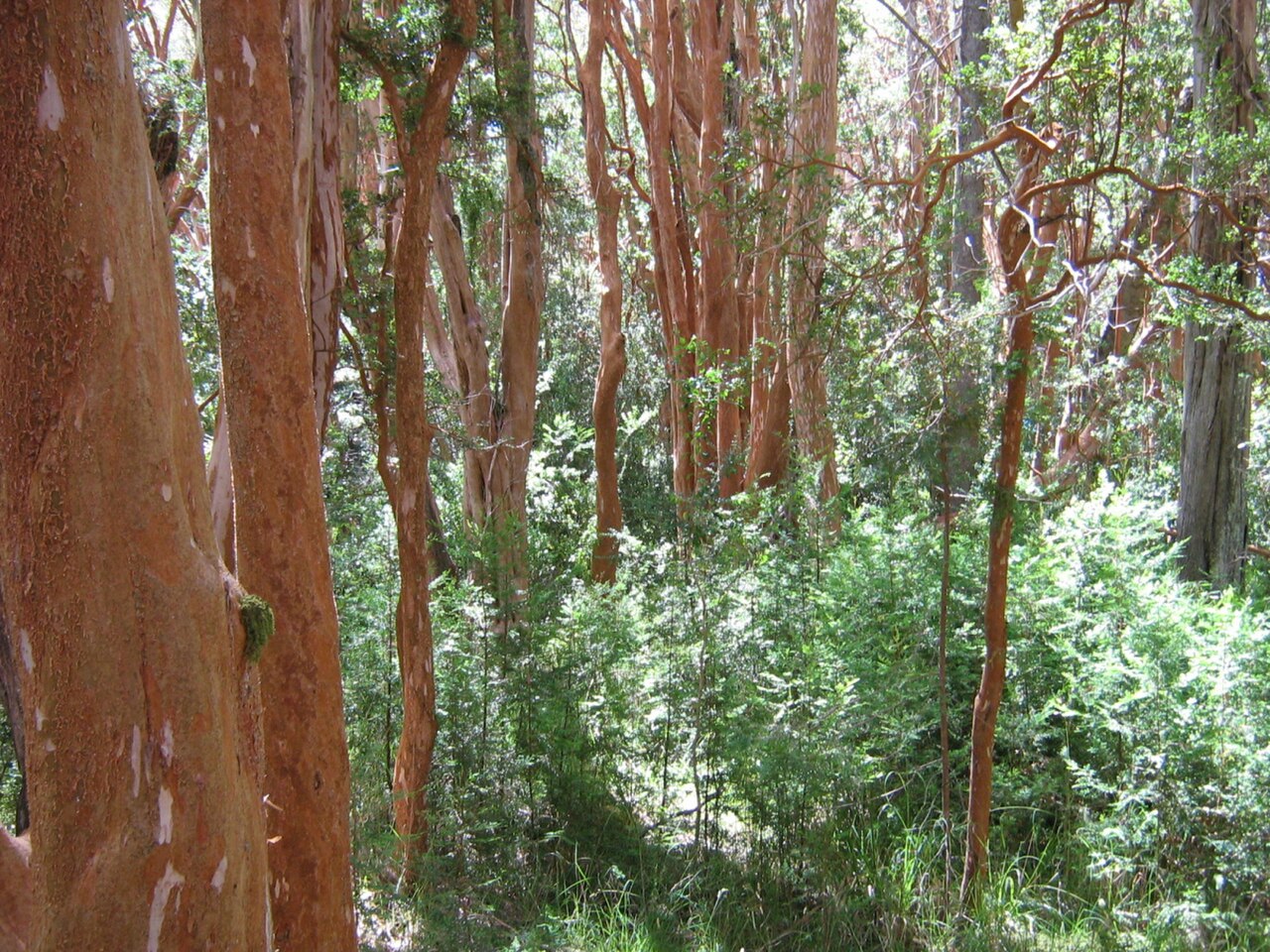
—observations
—countries
—peak records
Least ConcernConservation statusIUCN Red List categoriesLCNTVUENCREWEXLeast ConcernRed List categories, explained →
Diet & prey
- Autotrophic (Photosynthetic)
Predators
Not available
ThreatsHabitat fragmentation, deforestation, soil compaction from foot traffic
HabitatsTemperate rainforests, lake shores, riverbanks
Life spanUp to 600 years
Size / weightNot available
Classification
- OrderMyrtales
- FamilyMyrtaceae
- GenusLuma
- SpeciesLuma apiculata
Range data is not available yet.
Interaction riskLow
- Low
- Moderate
- High
- Very high
- Why interaction risk is low
- Wild berries have toxic look-alikes; never eat based on app identification alone.
Responsible observation
- Observe Bark Texture: Touch the exposed trunk gently to feel its characteristic cool surface temperature.
- Watch for Hummingbirds: Scan blossoming branches in midsummer for visiting nectar-feeders.
- Protect Root Zones: Stay on designated boardwalks in protected groves to prevent root damage.
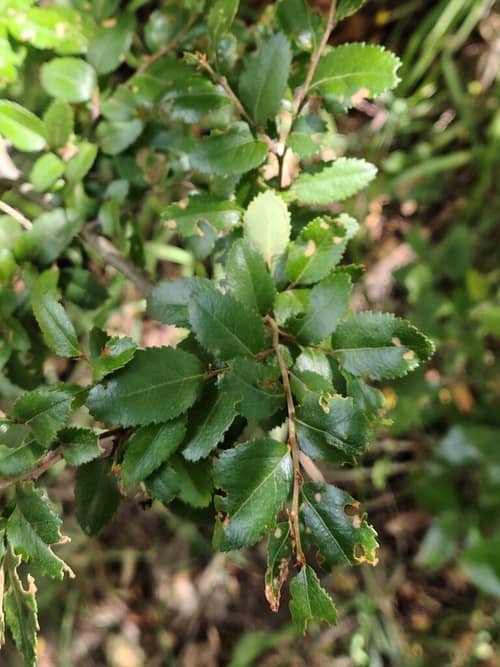
Canopy Companion (c) Felipe Horton, some rights reserved (CC BY) · cc-by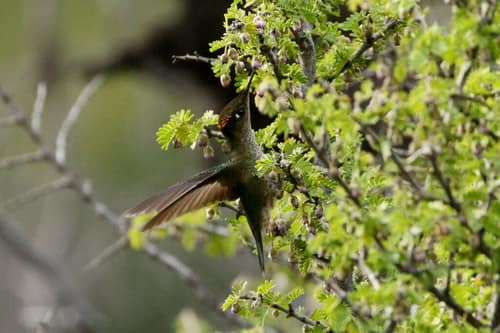
Pollinator (c) ivesklein, some rights reserved (CC BY) · cc-by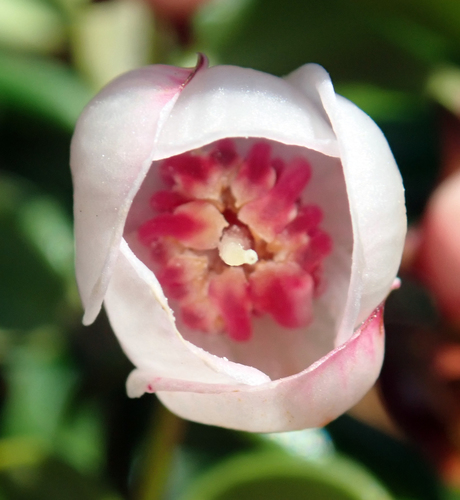
Family Relative no rights reserved, uploaded by Peter de Lange · cc0
Help improve the field guideSomething wrong?
Checking your Fauna account…Report a name, category, or profile issue for review.