
Flower
Black-eyed Susan Vine
Thunbergia alataAlso known as Clockvine, Black-eyed Susan
Black-eyed Susan vine is a fast-growing herbaceous twiner celebrated for its cheerful, five-petaled blooms sporting a characteristic dark purple-black central eye. Native to East African forest edges and bushlands, it climbs by wrapping soft, hairy stems around neighboring vegetation, fences, and trellises. While cherished globally as a colorful garden ornamental, it readily escapes cultivation in warm, humid climates to smother native understory plants.
ClimbingFloweringPerennial
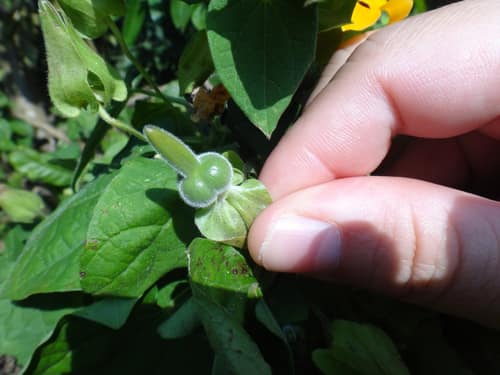
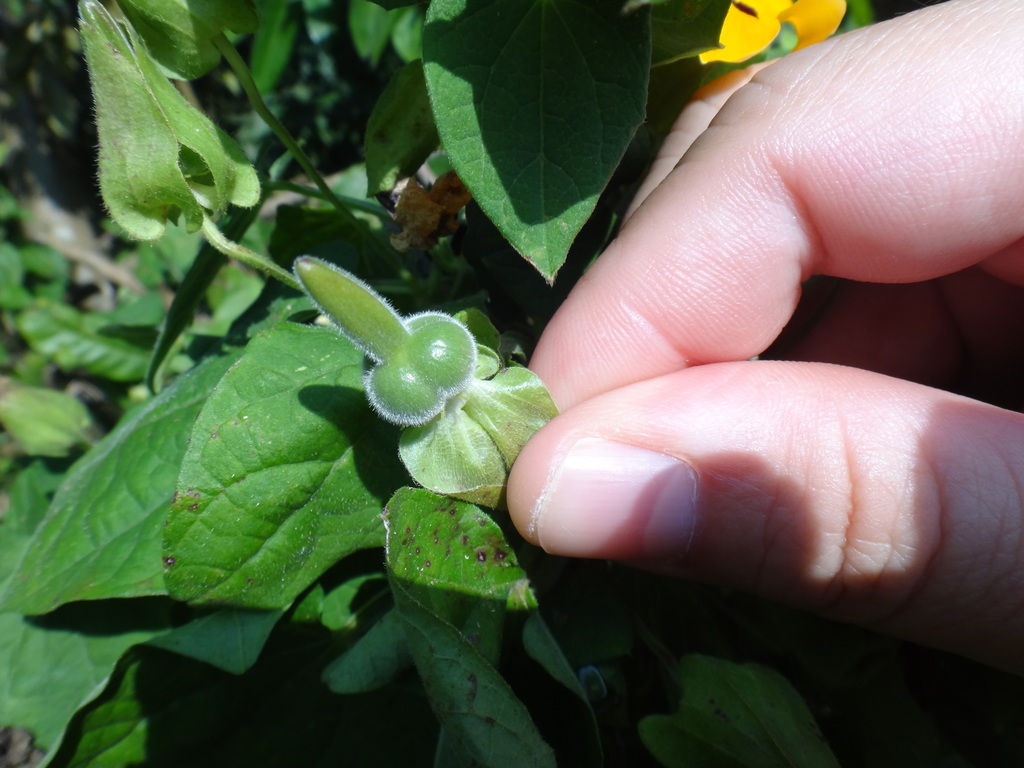
—observations
—countries
—peak records
Not EvaluatedConservation statusIUCN Red List categoriesLCNTVUENCREWEXNot Evaluated — not placed on the risk ladderRed List categories, explained →
Diet & preyAutotrophic (photosynthetic)
Predators
- Spider Mites
- Whiteflies
- Aphids
ThreatsHerbicidal control and frost in colder non-native zones
HabitatsForest margins, riparian thickets, grasslands, and disturbed roadsides
Life spanPerennial in frost-free regions; grown as an annual elsewhere
Classification
- OrderLamiales
- FamilyAcanthaceae
- GenusThunbergia
- SpeciesThunbergia alata
Range data is not available yet.
Interaction riskLow
- Low
- Moderate
- High
- Very high
- Why interaction risk is low
- Safe to observe at a normal distance.
Responsible observation
- Garden placement: Provide a sturdy trellis or mesh netting for the twining stems to ascend easily.
- Container care: Grow in hanging baskets or patio pots where trailing vines can cascade downward.
- Invasive watch: Monitor and trim vines in subtropical regions to prevent spread into native scrub.
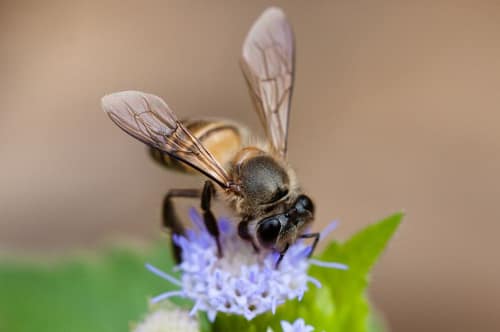
Pollinator Rushenb / CC BY-SA 3.0 · cc-by-sa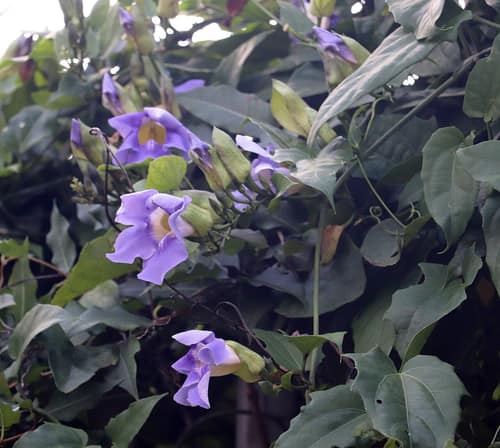
Close Relative Don McCulley / CC BY-SA 4.0 · cc-by-sa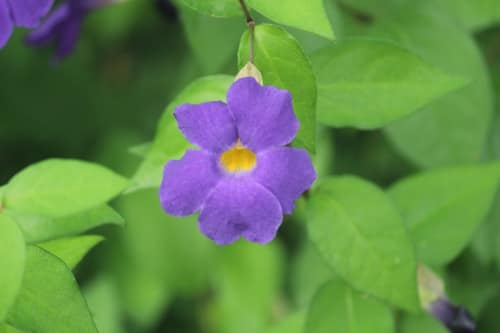
Close Relative no rights reserved, uploaded by Haneesh K M · cc0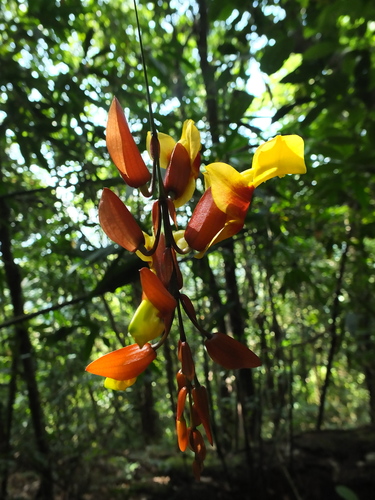
Close Relative (c) Siddarth Machado, some rights reserved (CC BY) · cc-by
Help improve the field guideSomething wrong?
Checking your Fauna account…Report a name, category, or profile issue for review.