Also known as Common Olive, European Olive, Wild Olive, Oleaster
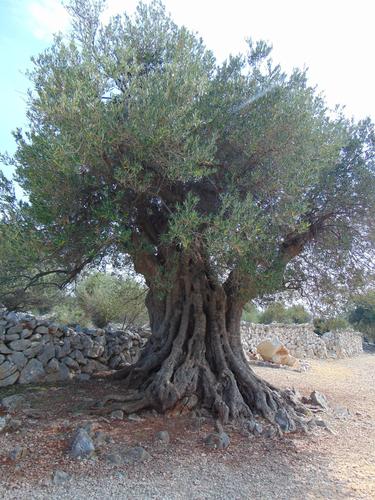
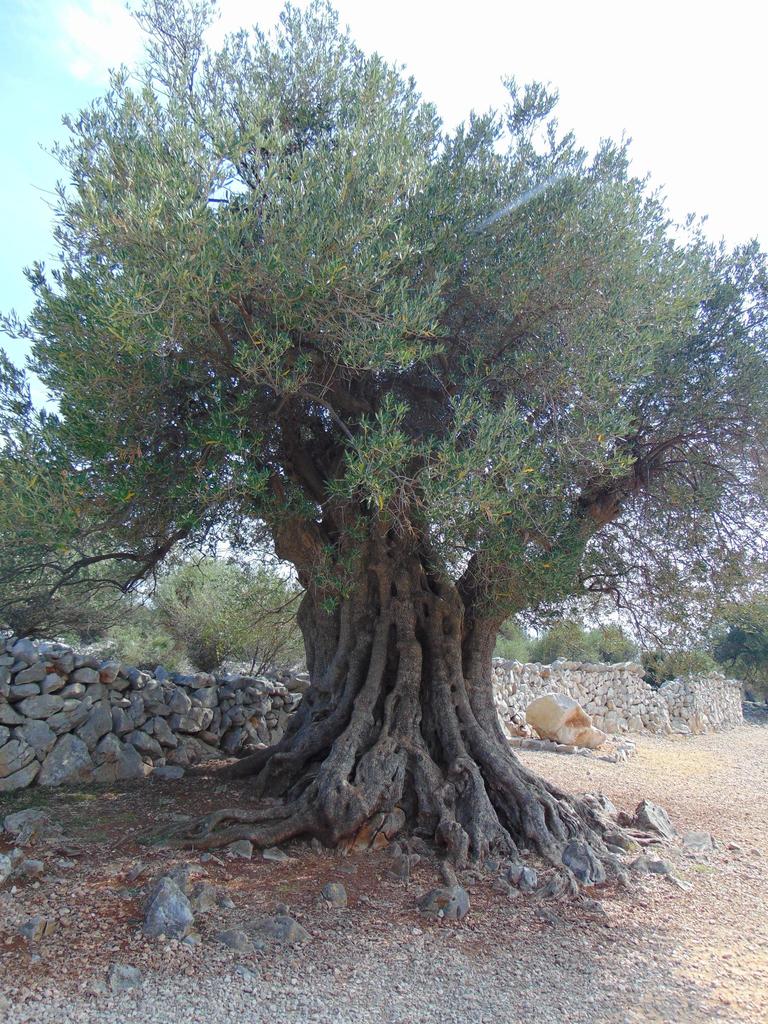
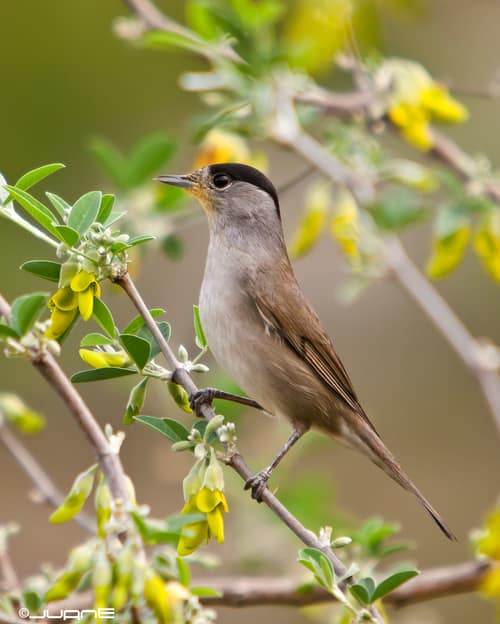
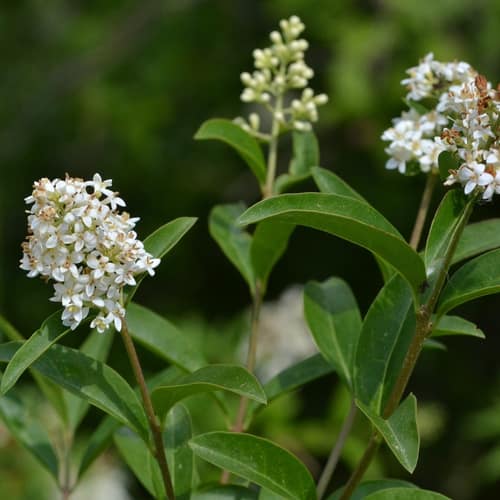
Olive trees are long-lived evergreens renowned for their gnarled, twisting trunks and silvery-green foliage, capable of regenerating vigorously from the rootstock even after severe fires or frost. In late spring, they produce clusters of small, fragrant white flowers that are primarily wind-pollinated, followed by fleshy drupes that darken as they ripen through autumn. Beyond agricultural groves, wild and feral populations thrive across dry Mediterranean scrublands, shaping local ecosystems by providing vital canopy cover and sustenance for frugivorous wildlife.
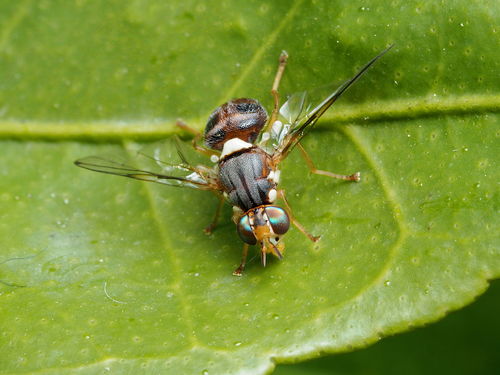
ThreatsBacterial blight (Xylella fastidiosa), olive fruit fly, habitat clearance, and extreme drought
HabitatsMediterranean scrub, maquis, rocky hillsides, coastal woodlands, and cultivated groves
Life span500 to over 1,500 years
Classification
OrderLamiales
FamilyOleaceae
GenusOlea
SpeciesOlea europaea
Range & activity
Range data is not available yet.
Safe observation
Interaction riskLow
Low
Moderate
High
Very high
Why interaction risk is low
Windborne pollen triggers severe seasonal allergies; wild fruits have toxic look-alikes, so never consume wild plants based on app ID.
Why it is dangerous
Produces massive quantities of wind-dispersed pollen laden with potent Ole e 1 proteins, causing severe allergic rhinitis, conjunctivitis, and asthma in sensitized individuals.
How to recognize a risky encounter
Look for dense clusters of tiny creamy-white four-petaled flowers releasing powdery yellow dust when shaken during spring.
What to do
Individuals with known tree pollen allergies should avoid groves during peak spring flowering or wear a protective dust mask.
Responsible observation
Pollen Precautions: Check local pollen counts during spring blooming if you are sensitive to tree allergens.
Leaf Inspection: Look beneath the leathery leaves to see the dense silvery scales that reduce water loss.
Tree Respect: Avoid climbing or breaking the brittle limbs of ancient heritage specimens.