
Plant · GBIF taxon 5415038
Japanese Tree Lilac
Syringa reticulataAlso known as Japanese Lilac
Japanese tree lilacs bloom weeks after typical shrub lilacs, crowning their canopy in early summer with frothy, foot-long clusters of creamy-white flowers that carry a musky, privet-like fragrance. Their smooth, reddish-brown bark bears prominent horizontal lenticels resembling cherry bark, maintaining distinctive visual appeal through cold winters. Widely adaptable to compacted urban soils and pollution, they provide sturdy nesting platforms for songbirds while supplying abundant early-season nectar for foraging insects.
Flowering TreeDeciduousUrban Tolerant
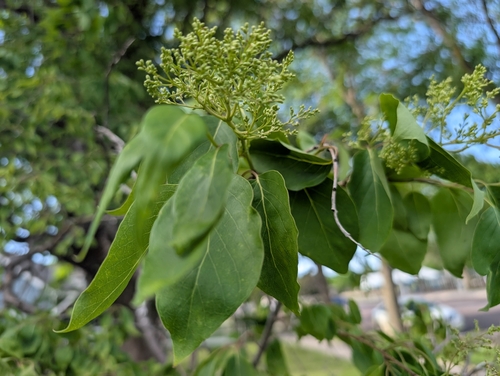
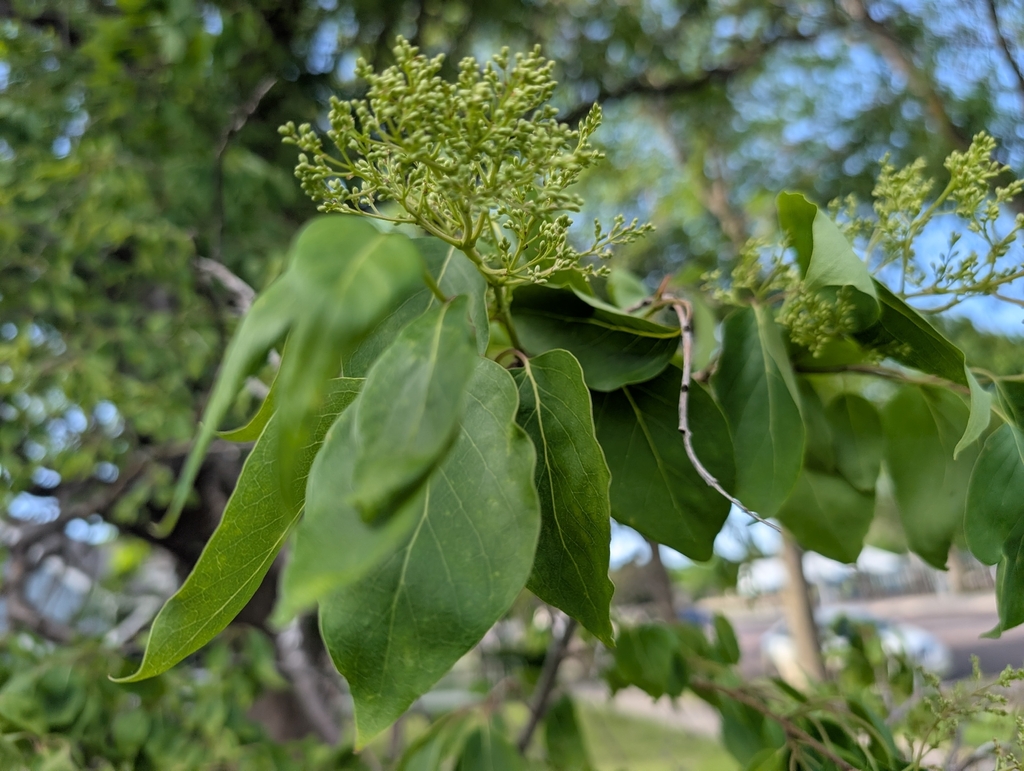
Licensed reference(c) Jeff Hansen, some rights reserved (CC BY) · cc-by
—observations
—countries
—peak records
Least ConcernConservation statusIUCN Red List categoriesLCNTVUENCREWEXLeast ConcernRed List categories, explained →
Diet & prey
- Sunlight, water, and soil minerals
Predators
- Lilac borer larvae
- White-tailed deer
- Japanese beetle
ThreatsLilac borer infestations, powdery mildew, and bacterial blight
HabitatsTemperate mixed mountain forests, stream banks, and urban plantings
Life span40–60 years
Classification
- OrderLamiales
- FamilyOleaceae
- GenusSyringa
- SpeciesSyringa reticulata
Range data is not available yet.
Interaction riskLow
- Low
- Moderate
- High
- Very high
- Why interaction risk is low
- Safe to observe at a normal distance.
Responsible observation
- Summer Bloom: Look for massive frothy clusters in June and July, well after other lilacs finish blooming.
- Bark Identification: Check mature trunks for reddish, cherry-like bark marked with clear horizontal breathing pores.
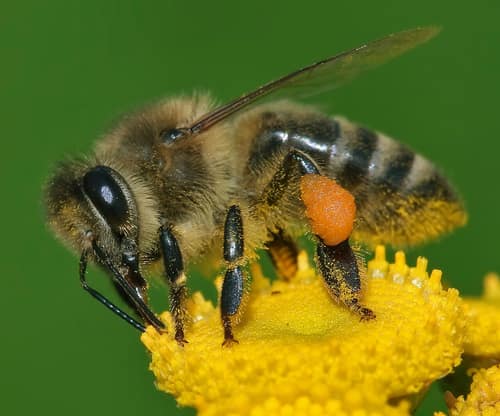
Pollinator Andreas Trepte / CC BY-SA 2.5 · cc-by-sa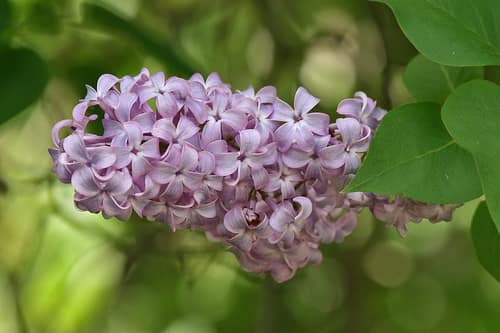
Close Relative Jjron / CC BY-SA 3.0 · cc-by-sa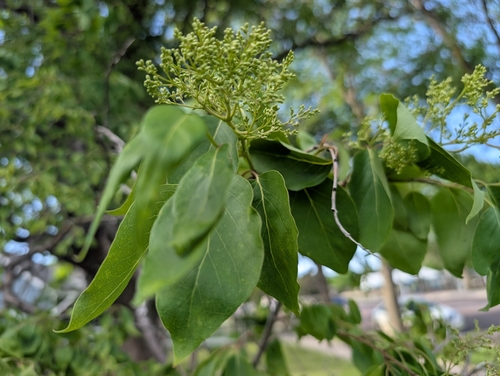
Close Relative (c) Jeff Hansen, some rights reserved (CC BY) · cc-by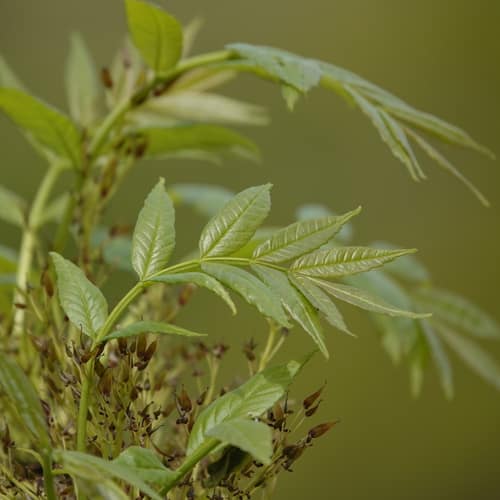
Same Family (c) Jais Knudsen, some rights reserved (CC BY), uploaded by Jais Knudsen · cc-by
Help improve the field guideSomething wrong?
Checking your Fauna account…Report a name, category, or profile issue for review.