
Plant · GBIF taxon 5415037
Late Lilac
Syringa villosaAlso known as Villous Lilac
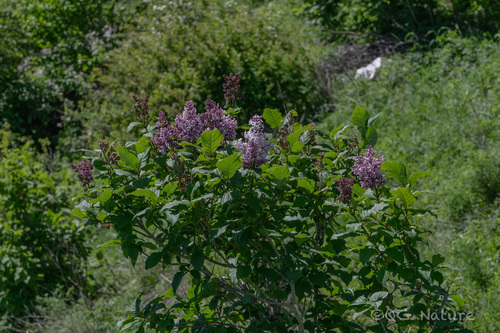
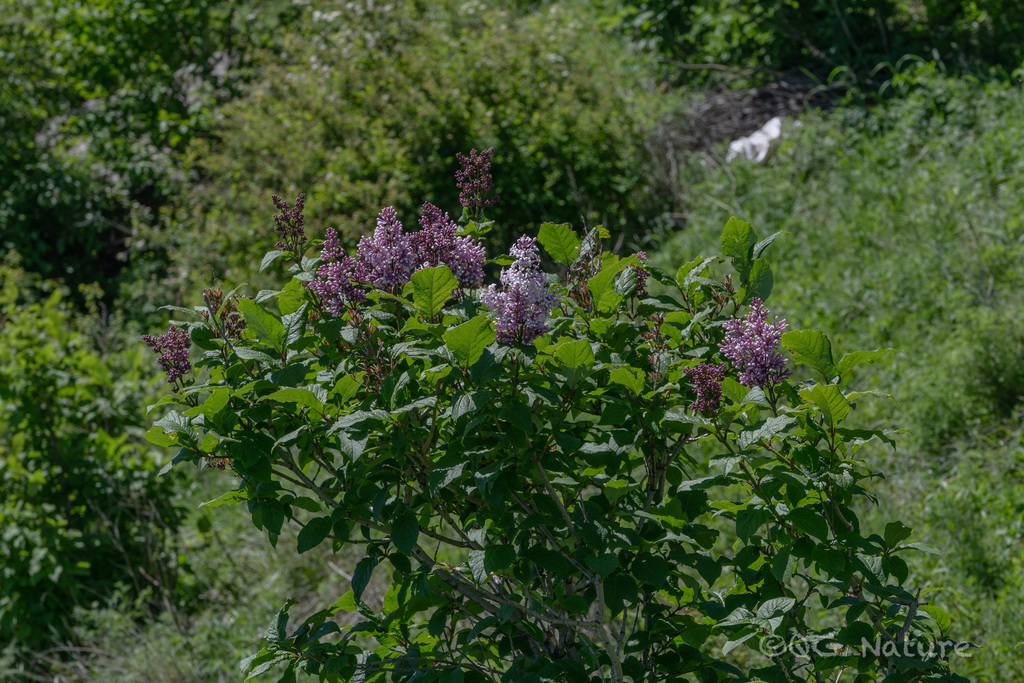
Late lilacs form stout, rounded thickets adorned with broad olive-green leaves that feature fine downy hairs along their undersides. In late spring to early summer, long panicles of rosy-lilac to white tubular blossoms open, filling the surrounding air with a spicy, honeyed perfume. Enduring harsh winter freezes with ease, this resilient shrub provides vital nectar for early-season butterflies and wild bees across northern Asia.
FloweringShrubFragrant
—observations
—countries
—peak records
Least ConcernConservation statusIUCN Red List categoriesLCNTVUENCREWEXLeast ConcernRed List categories, explained →
Diet & prey
- Autotrophic
ThreatsHabitat clearing, climate extremes
HabitatsMountain thickets, forest edges, river valleys
Life span30–50 years
Classification
- OrderLamiales
- FamilyOleaceae
- GenusSyringa
- SpeciesSyringa villosa
Range data is not available yet.
Interaction riskLow
- Low
- Moderate
- High
- Very high
- Why interaction risk is low
- Safe to observe at a normal distance.
Responsible observation
- Spring Bloom: Look for pale pink to violet upright clusters flowering later than common lilac.
- Foliage Identification: Observe the fine downy hairs along the undersides of mature leaves.
- Garden Placement: Appreciate its strong cold hardiness when planted in northern windbreaks.
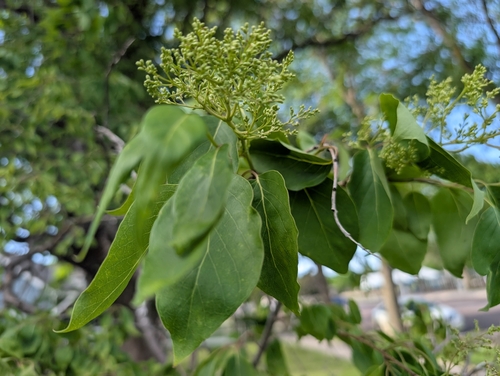
Genus Member (c) Jeff Hansen, some rights reserved (CC BY) · cc-by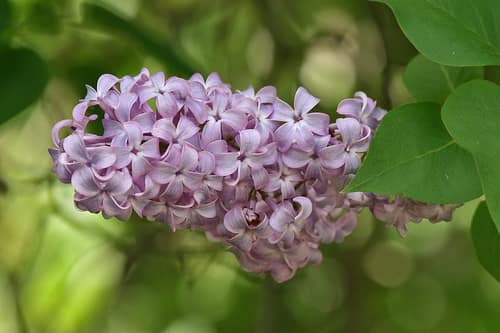
Close Relative Jjron / CC BY-SA 3.0 · cc-by-sa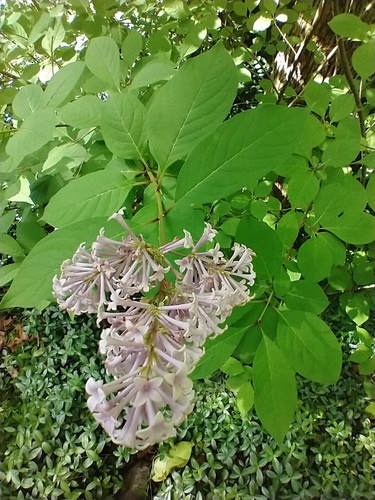
Close Relative (c) Tom Norton, some rights reserved (CC BY) · cc-by
Help improve the field guideSomething wrong?
Checking your Fauna account…Report a name, category, or profile issue for review.