
Plant · GBIF taxon 5414995
Purple Foxglove
Digitalis purpureaAlso known as Common Foxglove
Purple foxglove is a tall biennial or short-lived perennial with a basal rosette of softly hairy leaves. One-sided spikes carry many hanging purple-pink tubular flowers marked with dark spots inside the pale throat.
toxic planttubular flowerwoodland edge
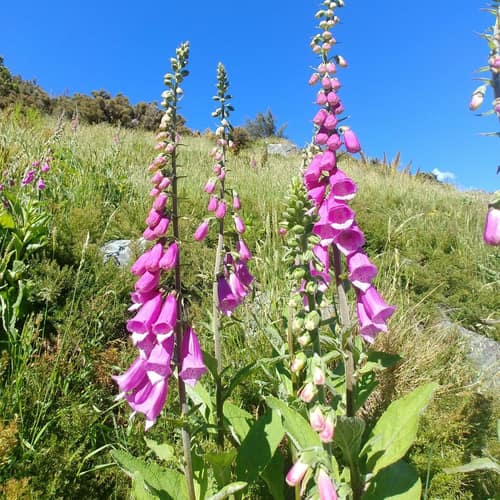
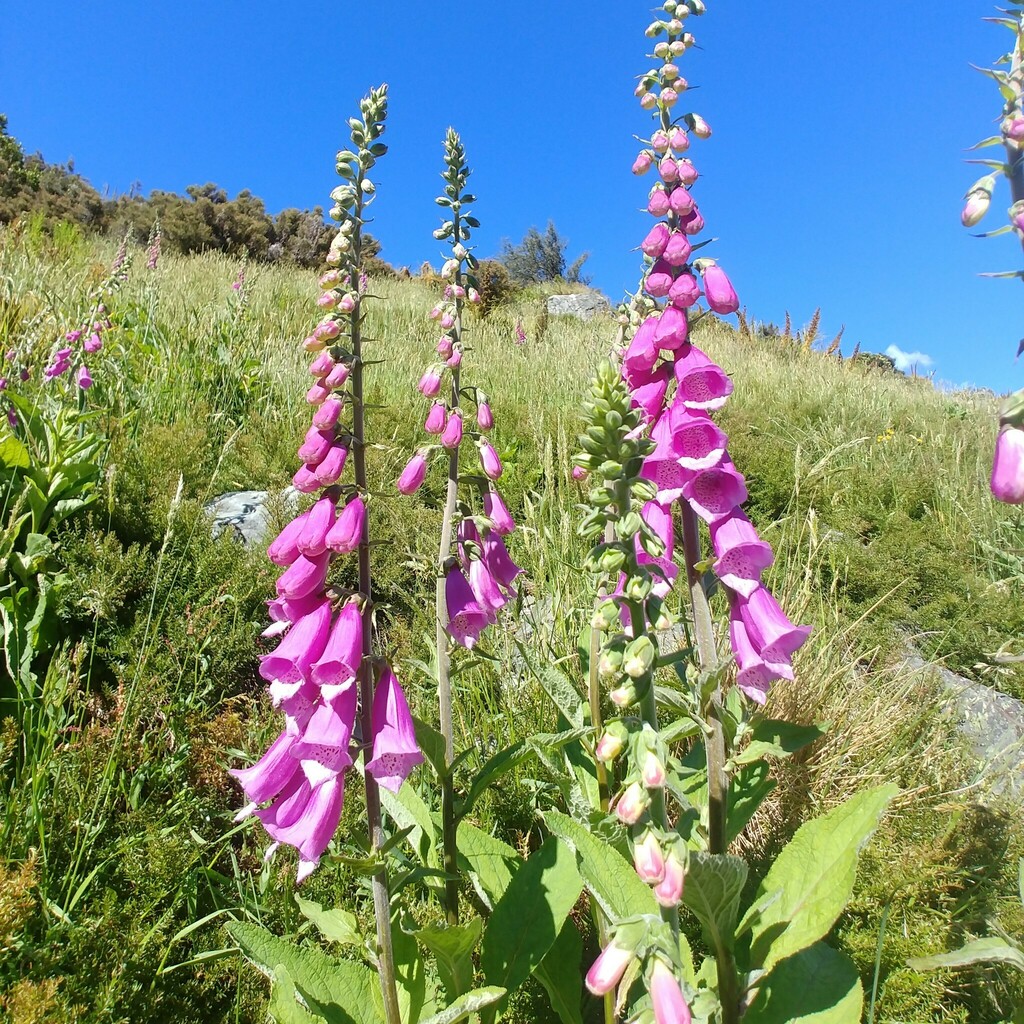
—observations
—countries
—peak records
Not EvaluatedConservation statusIUCN Red List categoriesLCNTVUENCREWEXNot Evaluated — not placed on the risk ladderRed List categories, explained →
Diet & prey
- Produces energy through photosynthesis and uses stored root reserves to support a tall flower stalk
Predators
- aphids
- caterpillars
- grazing mammals
ThreatsHabitat redevelopment, herbicides, repeated mowing, drought, and control where introduced
HabitatsWoodland clearings, banks, heath, roadsides, disturbed soil, and open rocky ground
Life spanUsually two years, though some plants persist and flower across additional seasons
Size / weightNot available
Classification
- OrderLamiales
- FamilyPlantaginaceae
- GenusDigitalis
- SpeciesDigitalis purpurea
Range data is not available yet.
Interaction riskHigh
- Low
- Moderate
- High
- Very high
- Why interaction risk is high
- All foxglove tissues contain cardiac glycosides and can cause fatal poisoning if swallowed.
- Why it is dangerous
- Foxglove cardiac glycosides can dangerously disrupt heart rhythm and cause severe or fatal poisoning.
- How to recognize a risky encounter
- Confirm softly hairy leaves and hanging purple-pink tubes with dark-spotted pale throats.
- What to do
- Never ingest or prepare any part; wash after contact and call poison control after suspected exposure.
Responsible observation
- Identify: Look for a hairy leaf rosette and a one-sided spike of spotted tubular flowers.
- Protect: Keep children and pets away and leave wild stems standing.
Help improve the field guideSomething wrong?
Checking your Fauna account…Report a name, category, or profile issue for review.