
Plant · GBIF taxon 5414521
Plymouth Gentian
Sabatia kennedyanaAlso known as Plymouth Rose Gentian, Rose Gentian
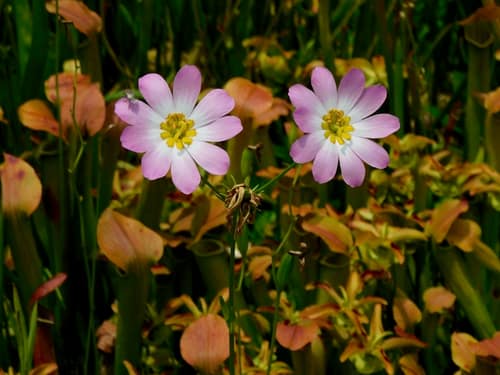
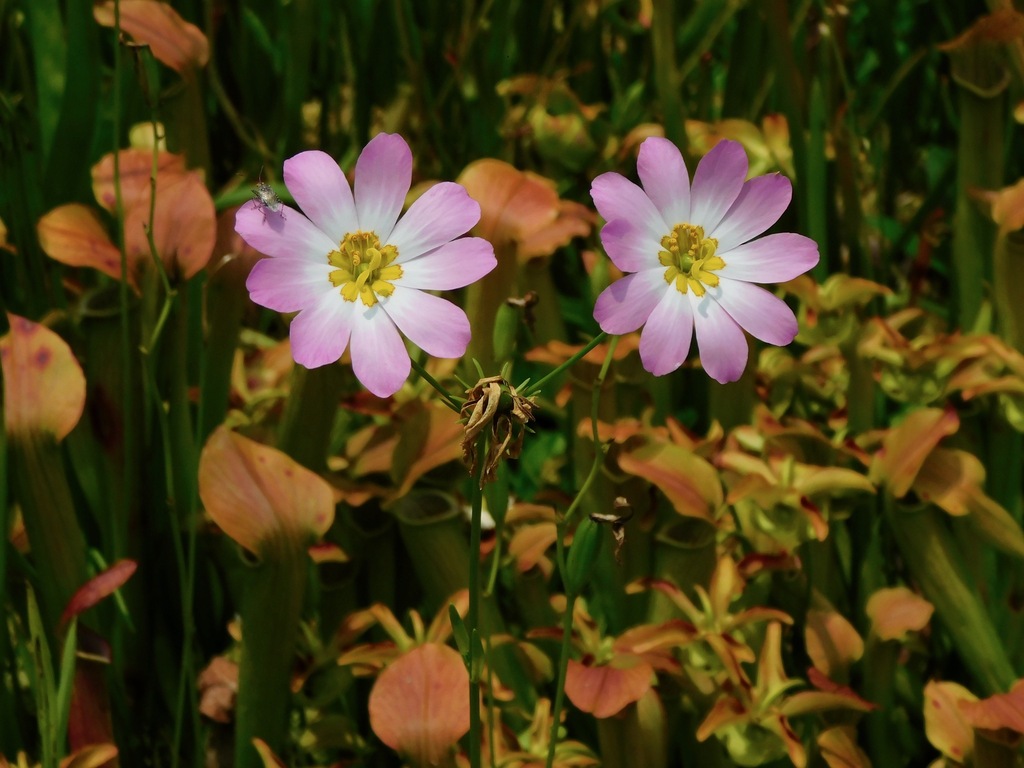
Plymouth gentian produces striking, star-shaped pink blossoms with bright yellow centers that open exclusively on sunny summer days along undisturbed sandy shores. Endemic to coastal plain ponds, it relies on natural seasonal water fluctuations that keep competing shrubs and aggressive weeds at bay. Its delicate underground stolons allow small colonies to spread across gravelly sand, making it a key indicator species for pristine freshwater shoreline ecosystems.
RareFloweringWetland
 1 / 7
1 / 7—observations
—countries
—peak records
Near ThreatenedConservation statusIUCN Red List categoriesLCNTVUENCREWEXNear ThreatenedRed List categories, explained →
Diet & prey
- Bumblebees
- Sweat Bees
- Sunlight
Predators
- White-Tailed Deer
- Herbivorous Insects
ThreatsWater level manipulation, shoreline development, recreational trampling
HabitatsCoastal plain pondshores, sandy shores, freshwater wetlands
Life spanPerennial
Size / weightNot available
Classification
- FamilyGentianaceae
- SpeciesSabatia kennedyana
Range data is not available yet.
Interaction riskLow
- Low
- Moderate
- High
- Very high
- Why interaction risk is low
- Safe to observe at a normal distance; take care not to disturb fragile pondshore habitat.
- What to notice
- Look for clusters of vibrant pink flowers with 7 to 13 petals around a yellow central star along sandy pond edges during mid to late summer.
- Support conservation
- Observe and photograph from established trails or shallow water without stepping on shoreline vegetation or disturbing delicate pondshore turf.
Responsible observation
- Best Viewing Time: Visit sandy pondshores from July through August on bright, sunny days when the blossoms fully unfurl.
- Habitat Etiquette: Walk in shallow water or on dry upper sand to avoid trampling delicate shoreline turf where roots spread.
- Photography Tip: Use a telephoto lens to capture flower details without setting foot on damp, sensitive shorelines.
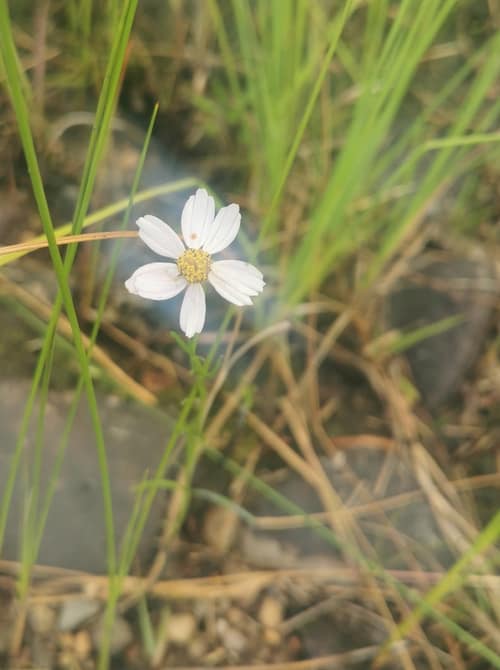
Frequent Companion (c) Bernadette Kavanaugh, some rights reserved (CC BY) · cc-by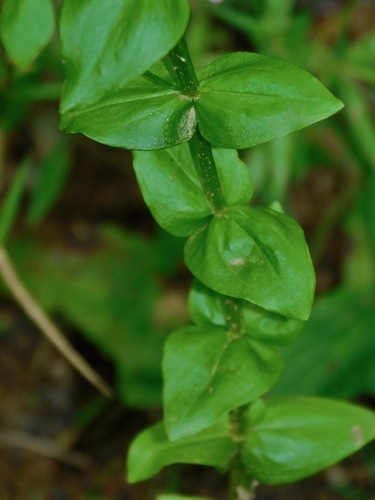
Close Relative (c) Michael J. Papay, some rights reserved (CC BY), uploaded by Michael J. Papay · cc-by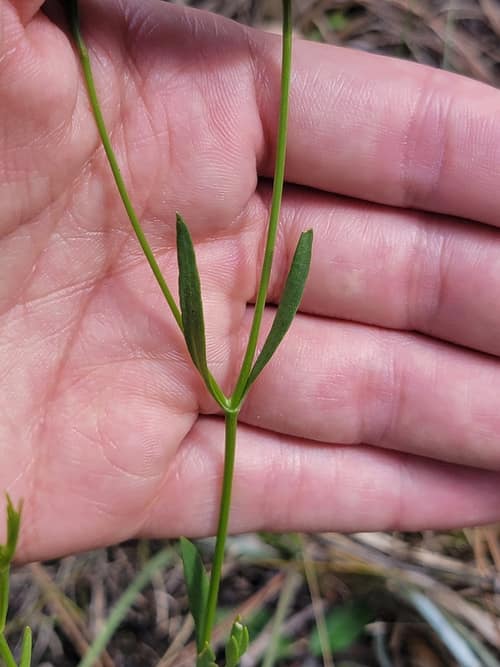
Close Relative no rights reserved, uploaded by Theo Summer · cc0
Help improve the field guideSomething wrong?
Checking your Fauna account…Report a name, category, or profile issue for review.