
Flower
Nettle-leaved Bellflower
Campanula tracheliumAlso known as Bats-in-the-Belfry, Throatwort
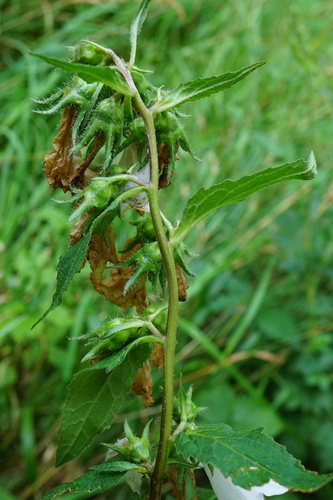
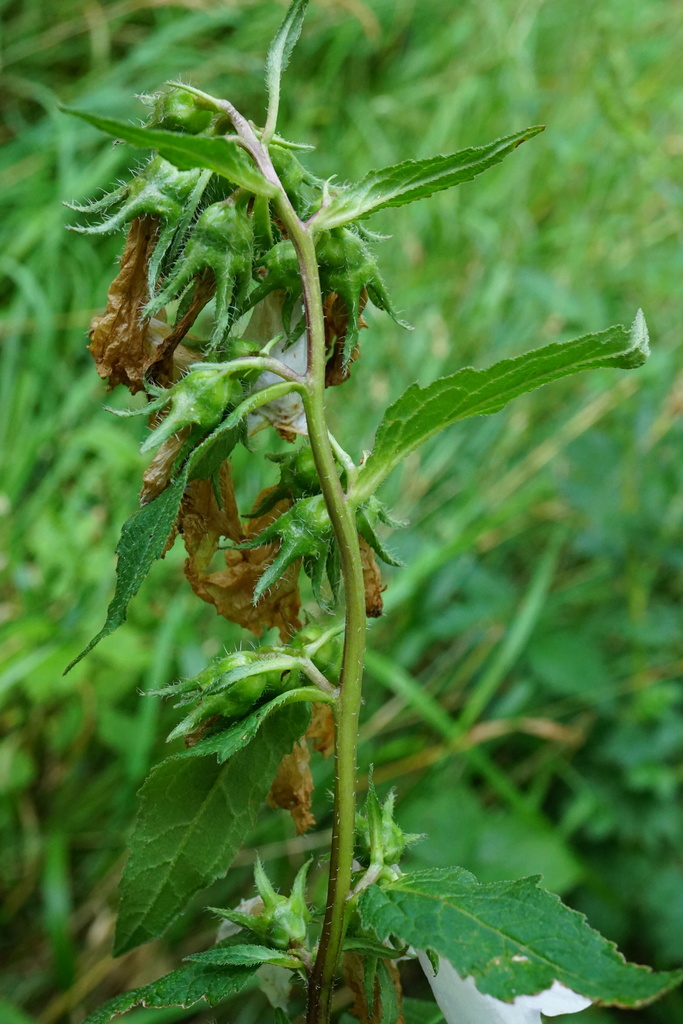
Nettle-leaved bellflowers thrive in dappled woodland shade, sending up tall, bristly stems crowned with clusters of deep violet-blue, bell-shaped blossoms. Despite foliage that strikingly mimics true stinging nettles, the rough-toothed leaves lack urticating hairs entirely and cause no irritation. Long-tongued bumblebees frequently crawl deep inside the hairy bells throughout mid to late summer to access rich pollen and nectar reserves.
WildflowerWoodlandPerennial
—observations
—countries
—peak records
Least ConcernConservation statusIUCN Red List categoriesLCNTVUENCREWEXLeast ConcernRed List categories, explained →
Diet & preyAutotrophic (photosynthetic)
Predators
- Roe Deer
- Garden Snail
- Spanish Slug
ThreatsExcessive canopy closure, intensive forestry, and heavy deer grazing
HabitatsDeciduous woodlands, coppices, hedgerows, and shaded scrub
Life spanPerennial (5–10 years)
Classification
- OrderAsterales
- FamilyCampanulaceae
- GenusCampanula
- SpeciesCampanula trachelium
Range data is not available yet.
Interaction riskLow
- Low
- Moderate
- High
- Very high
- Why interaction risk is low
- Safe to observe at a normal distance.
Responsible observation
- Flowering Period: Look for the distinctive bell-shaped flowers along shady woodland paths between July and September.
- Foliage Inspection: Check the leaves up close to observe the nettle-like shape and harmless bristly hairs.
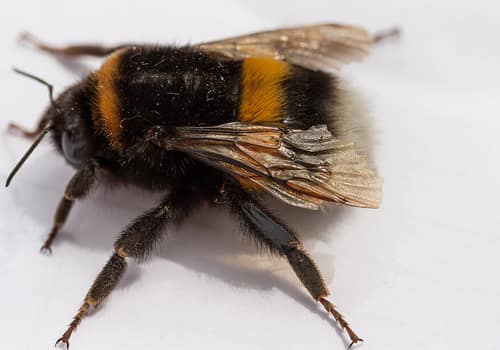
Pollinator Marco Almbauer / CC0 · cc0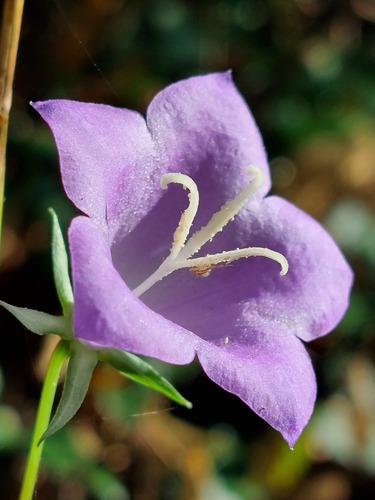
Close Relative (c) purperlibel, some rights reserved (CC BY-SA), uploaded by purperlibel · cc-by-sa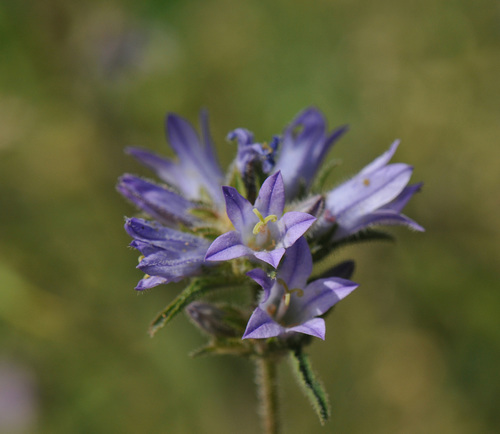
Close Relative (c) Todd Boland, some rights reserved (CC BY), uploaded by Todd Boland · cc-by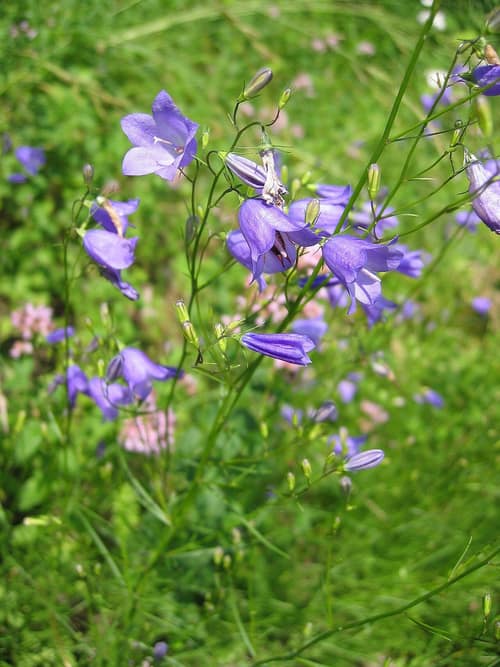
Close Relative Wikimedia Commons / CC BY-SA 3.0 · cc-by-sa
Help improve the field guideSomething wrong?
Checking your Fauna account…Report a name, category, or profile issue for review.