
Flower · GBIF taxon 5412014
Nettle-leaved Bellflower
Campanula tracheliumAlso known as Bats-in-the-Belfry, Throatwort
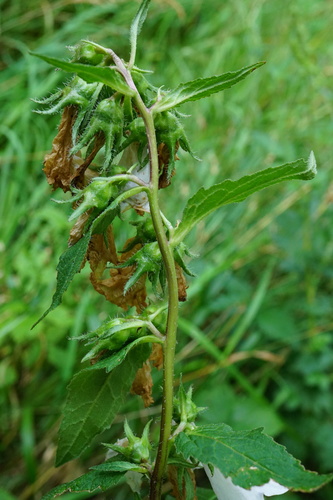
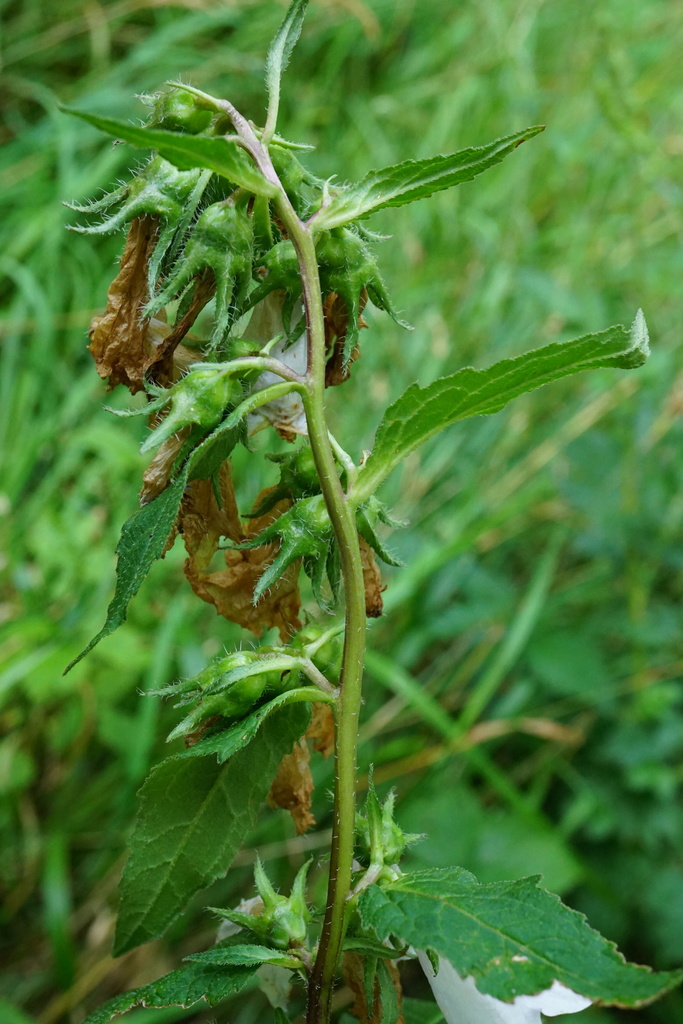
Nettle-leaved bellflowers thrive in dappled woodland shade, sending up tall, bristly stems crowned with clusters of deep violet-blue, bell-shaped blossoms. Despite foliage that strikingly mimics true stinging nettles, the rough-toothed leaves lack urticating hairs entirely and cause no irritation. Long-tongued bumblebees frequently crawl deep inside the hairy bells throughout mid to late summer to access rich pollen and nectar reserves.
WildflowerWoodlandPerennial
 1 / 7
1 / 7—observations
—countries
—peak records
Least ConcernConservation statusIUCN Red List categoriesLCNTVUENCREWEXLeast ConcernRed List categories, explained →
Diet & prey
- Autotrophic (photosynthetic)
Predators
- Roe Deer
- Garden Snail
- Spanish Slug
ThreatsExcessive canopy closure, intensive forestry, and heavy deer grazing
HabitatsDeciduous woodlands, coppices, hedgerows, and shaded scrub
Life spanPerennial (5–10 years)
Size / weightNot available
Classification
- OrderAsterales
- FamilyCampanulaceae
- GenusCampanula
- SpeciesCampanula trachelium
Range data is not available yet.
Interaction riskLow
- Low
- Moderate
- High
- Very high
- Why interaction risk is low
- Safe to observe at a normal distance.
Responsible observation
- Flowering Period: Look for the distinctive bell-shaped flowers along shady woodland paths between July and September.
- Foliage Inspection: Check the leaves up close to observe the nettle-like shape and harmless bristly hairs.
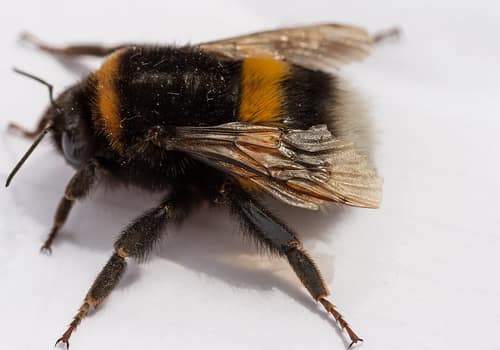
Pollinator Marco Almbauer / CC0 · cc0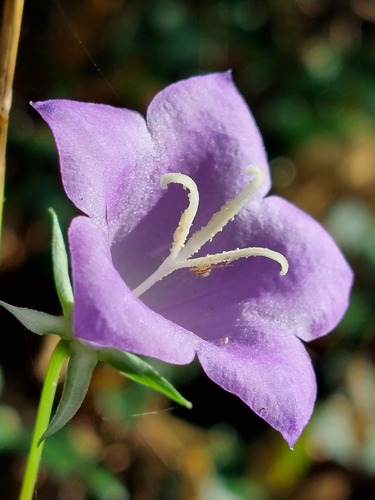
Close Relative (c) purperlibel, some rights reserved (CC BY-SA), uploaded by purperlibel · cc-by-sa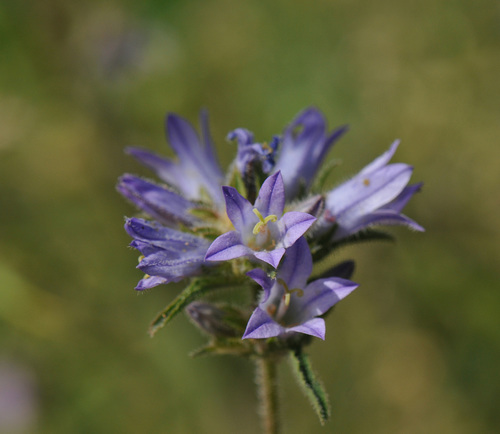
Close Relative (c) Todd Boland, some rights reserved (CC BY), uploaded by Todd Boland · cc-by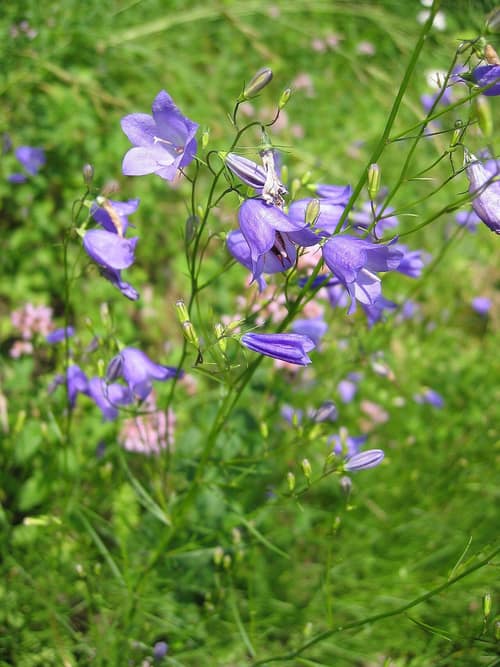
Close Relative Wikimedia Commons / CC BY-SA 3.0 · cc-by-sa
Help improve the field guideSomething wrong?
Checking your Fauna account…Report a name, category, or profile issue for review.