
Flower · GBIF taxon 5411453
Canterbury-bells
Campanula mediumAlso known as Canterbury Bells, Cup and Saucer
Canterbury-bells form a low rosette of lance-shaped, rough leaves during their first year of growth before sending up sturdy, blossom-laden spires in the second summer. The prominent, inflated bells flare outward into five shallow lobes, designed to funnel bumblebees directly into contact with their receptive pollen-covered stigmas. While native to the open woods and stony slopes of southern France and northern Italy, this stately biennial has naturalized across temperate regions worldwide thanks to centuries of cottage garden cultivation.
BiennialFloweringPollinator Magnet
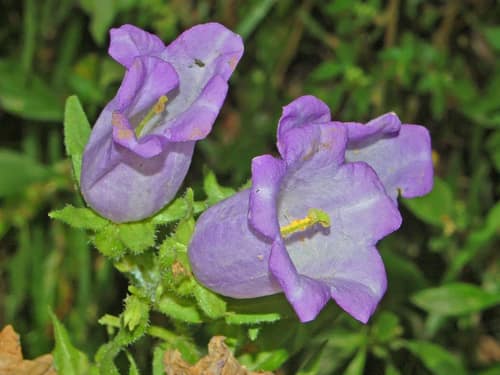
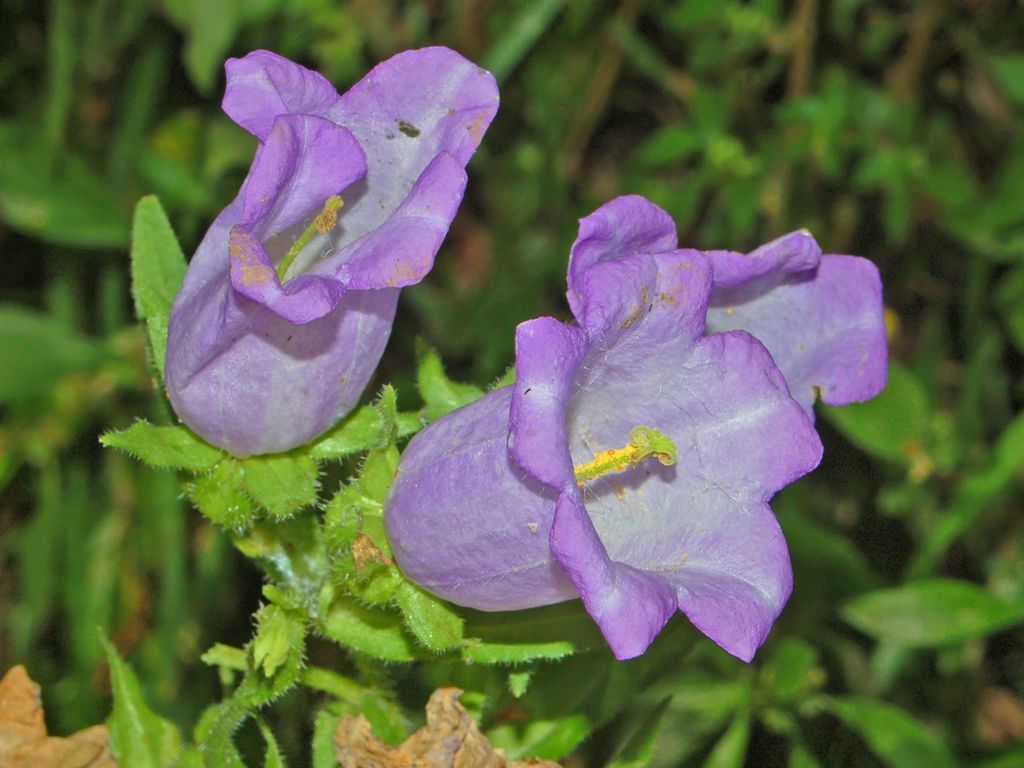
—observations
—countries
—peak records
Least ConcernConservation statusIUCN Red List categoriesLCNTVUENCREWEXLeast ConcernRed List categories, explained →
Diet & prey
- Autotrophic (photosynthesis)
Predators
- Slugs
- Snails
- Aphids
ThreatsHerbivory by mollusks, habitat succession, and overgrowth by invasive shrubs
HabitatsStony slopes, dry open woodland margins, scrublands, and managed cottage gardens
Life span1–2 years (biennial)
Size / weightNot available
Classification
- OrderAsterales
- FamilyCampanulaceae
- GenusCampanula
- SpeciesCampanula medium
Range data is not available yet.
Interaction riskLow
- Low
- Moderate
- High
- Very high
- Why interaction risk is low
- Safe to observe at a normal distance.
Responsible observation
- Flower Inspection: Peer gently inside the dangling bells on sunny mornings to view sheltering solitary bees.
- Cultivation Support: Provide light bamboo stakes early in the second spring to prevent heavy bloom spikes from toppling.
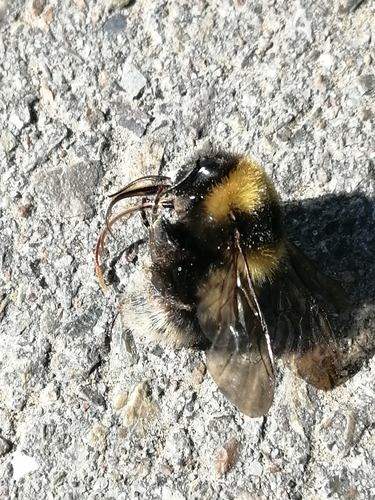
Pollinator (c) Roman A. Lagazyuk (Роман А. Лагазюк), some rights reserved (CC BY) · cc-by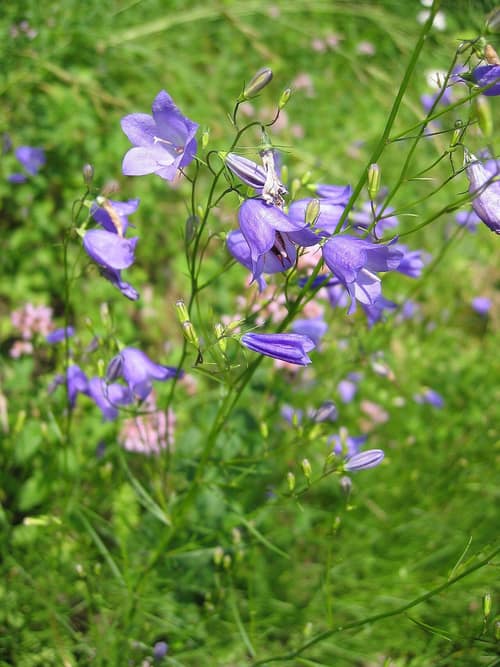
Close Relative Wikimedia Commons / CC BY-SA 3.0 · cc-by-sa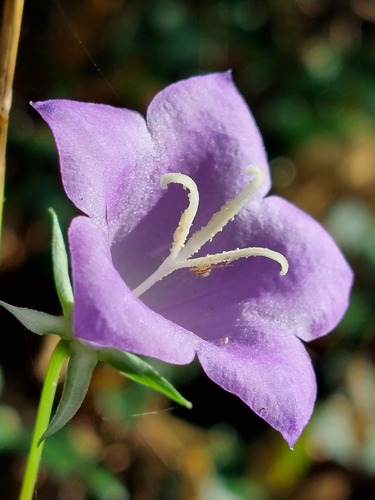
Close Relative (c) purperlibel, some rights reserved (CC BY-SA), uploaded by purperlibel · cc-by-sa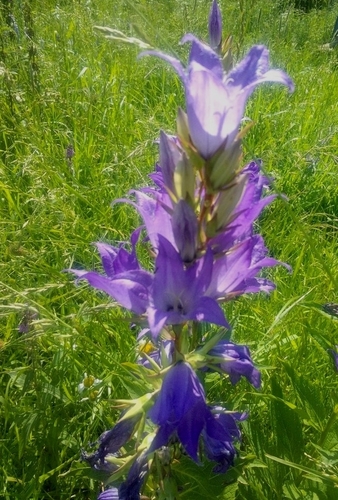
Close Relative (c) Виктория Билоус, some rights reserved (CC BY), uploaded by Виктория Билоус · cc-by
Help improve the field guideSomething wrong?
Checking your Fauna account…Report a name, category, or profile issue for review.