
Plant · GBIF taxon 5410907
Common Harebell
Campanula rotundifoliaAlso known as Harebell, Scottish Bluebell
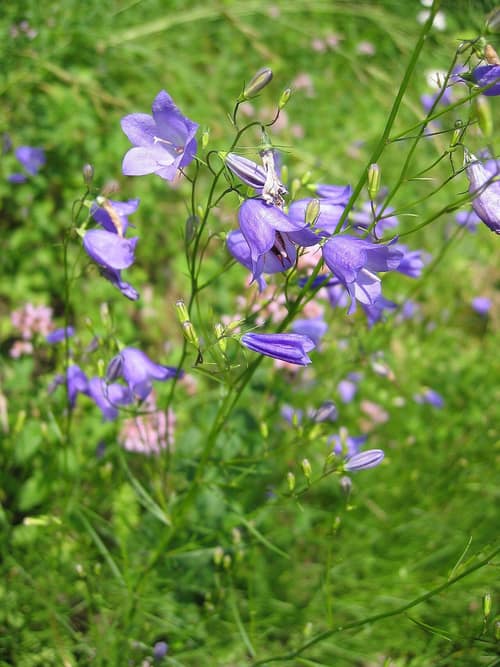
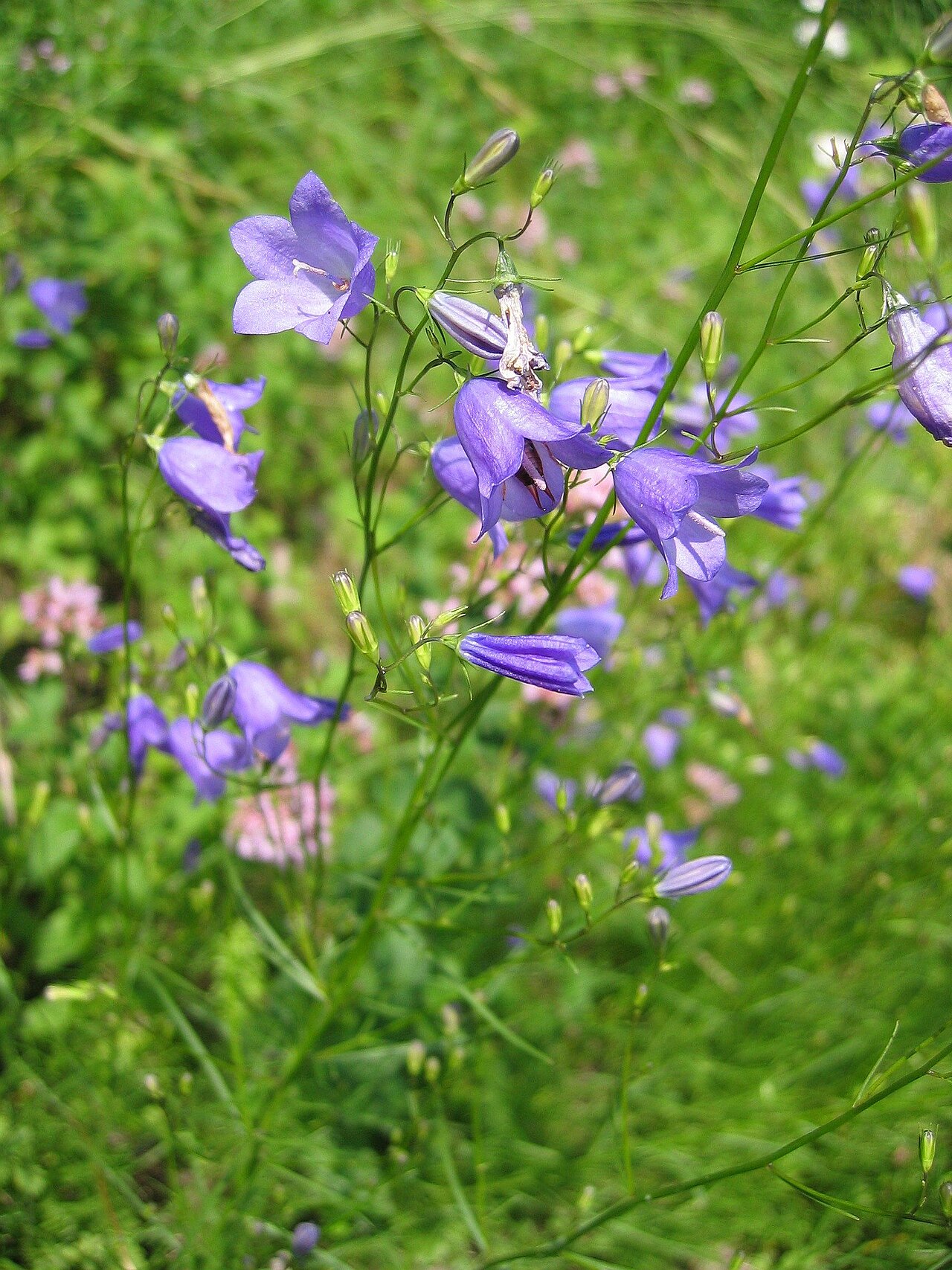
Common Harebells carry nodding violet-blue bells on slender wiry stems that sway in light wind. Rounded basal leaves often disappear before flowering, while narrow stem leaves remain visible beneath the blooms.
bellflowerrocky grasslandnodding bloom
—observations
—countries
—peak records
Not EvaluatedConservation statusIUCN Red List categoriesLCNTVUENCREWEXNot Evaluated — not placed on the risk ladderRed List categories, explained →
Diet & prey
- Produces energy through photosynthesis and stores resources in a perennial root system
Predators
- slugs
- aphids
- grazing mammals
ThreatsHabitat conversion, trampling, invasive plants, poorly timed mowing, and wild collection
HabitatsRocky grassland, heath, cliffs, open woodland, dunes, and cool mountain slopes
Life spanA perennial herb that can return from its roots for many growing seasons
Size / weightNot available
Classification
- FamilyCampanulaceae
- SpeciesCampanula rotundifolia
Range data is not available yet.
Interaction riskLow
- Low
- Moderate
- High
- Very high
- Why interaction risk is low
- Leave delicate stems rooted and avoid picking flowers from small wild colonies.
Responsible observation
- Identify: Look for a narrow stem ending in nodding five-lobed blue bells.
- Observe: Check basal and stem leaves without bending the flexible flower stalk.
Help improve the field guideSomething wrong?
Checking your Fauna account…Report a name, category, or profile issue for review.