
Plant
Creeping Bellflower
Campanula rapunculoidesAlso known as Rampion Bellflower, Rover Bellflower, Garden Harebell, Creeping Campanula
Creeping bellflower spreads aggressively through an extensive underground network of fleshy rhizomes and deep taproots that readily sprout when severed. Each flower spike bears dozens of nodding, violet-blue bells that characteristically align along a single side of the stem. Introduced as a cottage garden ornamental, it easily escapes cultivation to outcompete native groundcovers across disturbed soils and urban woodlands.
PerennialInvasiveFlowering
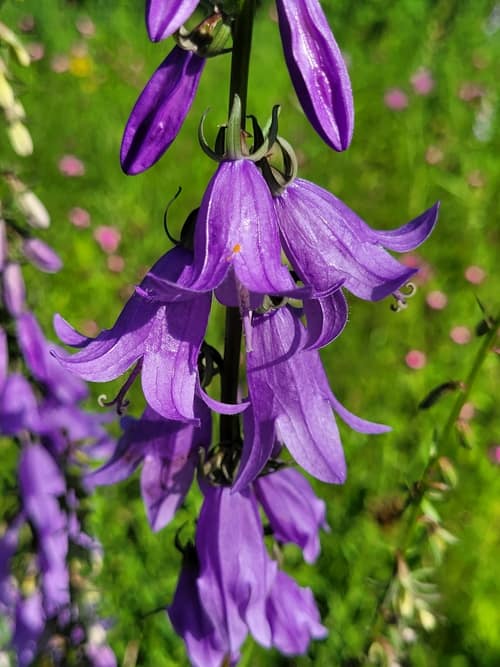
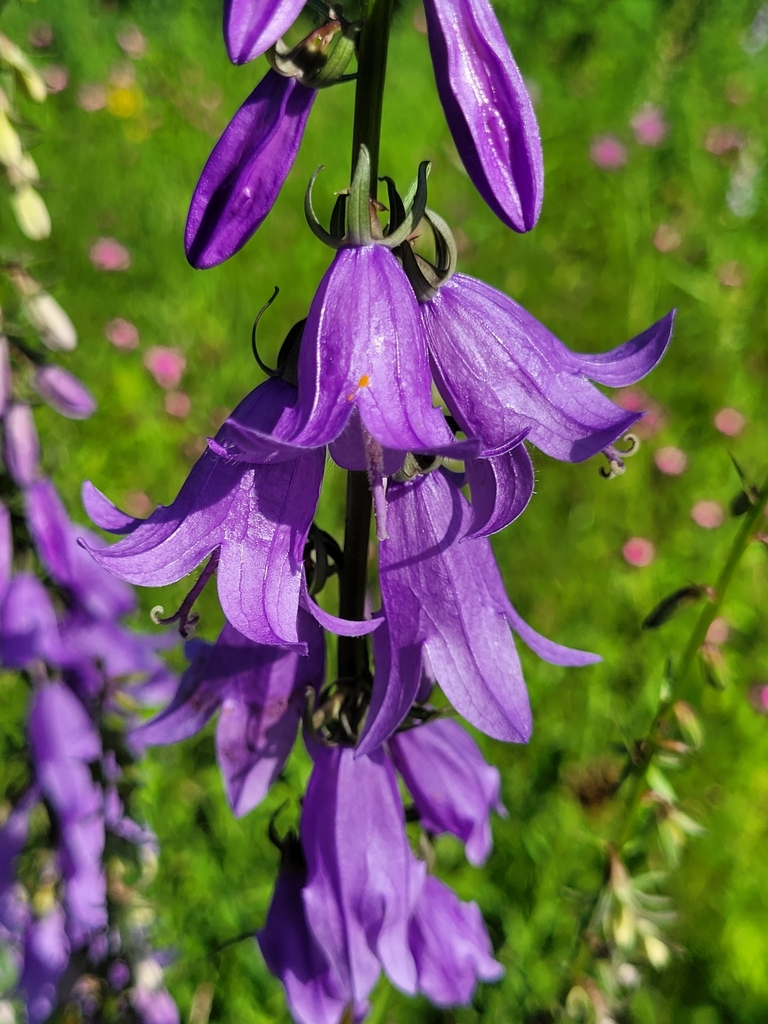
—observations
—countries
—peak records
Least ConcernConservation statusIUCN Red List categoriesLCNTVUENCREWEXLeast ConcernRed List categories, explained →
Diet & preyPhotoautotrophic
Predators
- Garden Slugs
- Aphids
- White-tailed Deer
ThreatsTargeted mechanical excavation, soil solarization, and repeated herbicide applications
HabitatsUrban meadows, gardens, roadsides, forest edges, and waste ground
Life spanPerennial (indefinite via creeping rhizomes)
Classification
- OrderAsterales
- FamilyCampanulaceae
- GenusCampanula
- SpeciesCampanula rapunculoides
Range data is not available yet.
Interaction riskLow
- Low
- Moderate
- High
- Very high
- Why interaction risk is low
- Safe to observe at a normal distance.
Responsible observation
- Identification Clue: Look closely at the flower spike to notice blossoms facing primarily in one direction.
- Garden Weed Control: Dig deeply to remove the white taproots, as any fragment left behind generates a new shoot.
- Native Distinctions: Check the basal foliage, which is heart-shaped and serrated, unlike most native bellflowers.
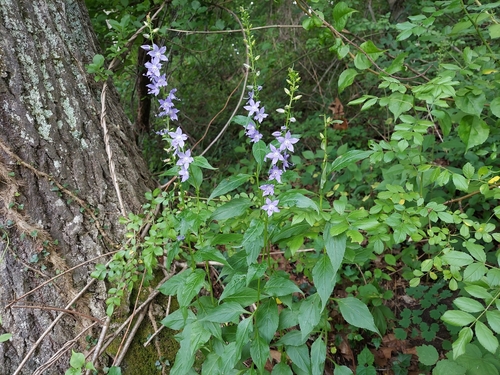
Native Look-alike (c) the swamp ass, some rights reserved (CC BY) · cc-by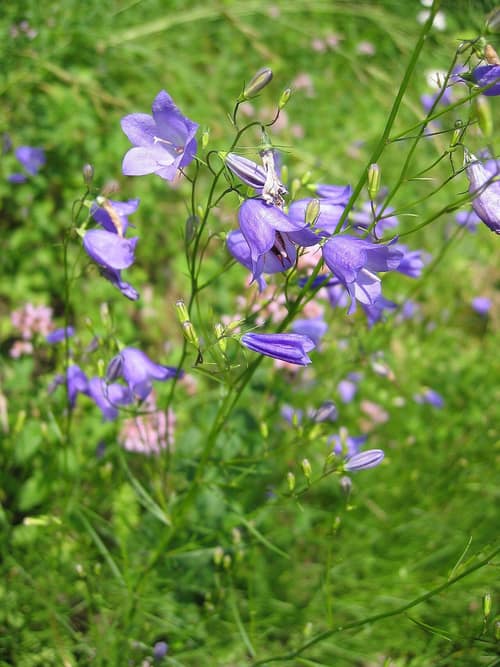
Close Relative Wikimedia Commons / CC BY-SA 3.0 · cc-by-sa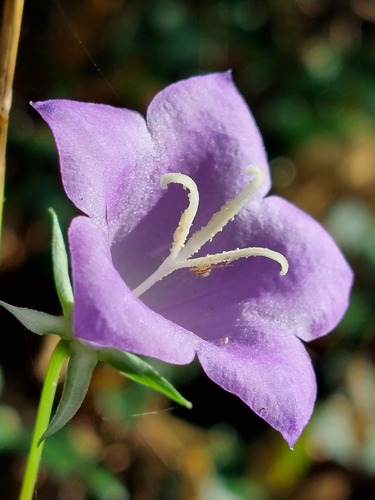
Close Relative (c) purperlibel, some rights reserved (CC BY-SA), uploaded by purperlibel · cc-by-sa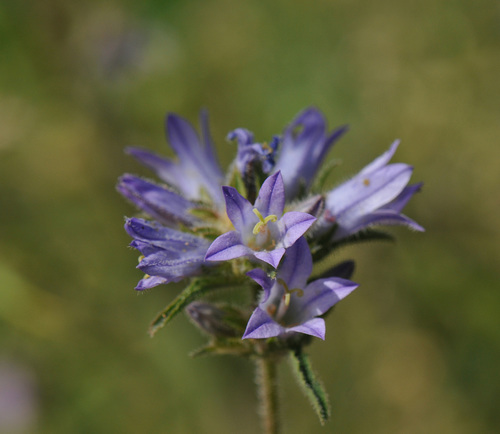
Close Relative (c) Todd Boland, some rights reserved (CC BY), uploaded by Todd Boland · cc-by
Help improve the field guideSomething wrong?
Checking your Fauna account…Report a name, category, or profile issue for review.