
Flower
Trailing Bellflower
Campanula poscharskyanaAlso known as Serbian Bellflower, Poscharsky's Bellflower
Trailing bellflower cascades across rocky crevices and garden walls, sending out long, sprawling stems clothed in heart-shaped foliage. Masses of lavender-blue, star-shaped blossoms open from late spring through midsummer, attracting a steady stream of native bees and hoverflies. In wild montane habitats, its vigorous root system anchors fragile talus slopes while surviving cold winters and seasonal droughts.
PerennialAlpineFlowering
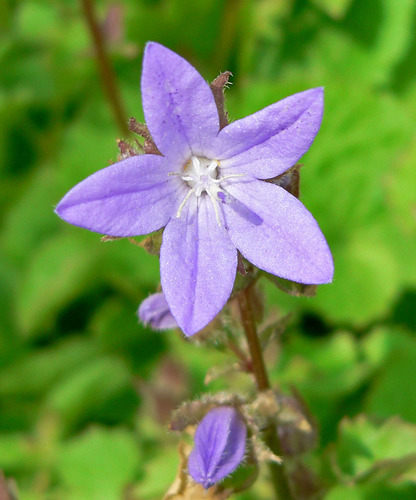
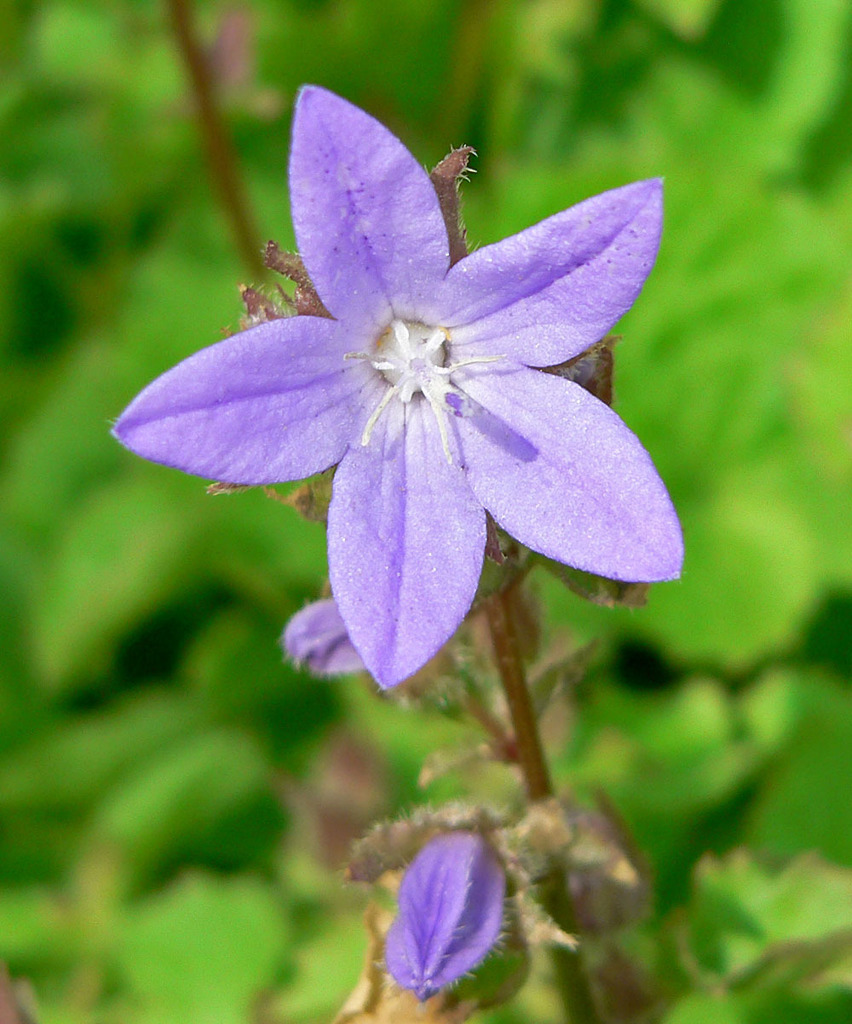
—observations
—countries
—peak records
Not EvaluatedConservation statusIUCN Red List categoriesLCNTVUENCREWEXNot Evaluated — not placed on the risk ladderRed List categories, explained →
Diet & preyAutotrophic (photosynthesis)
Predators
- Garden snails
- Slugs
- Aphids
ThreatsHabitat fragmentation, invasive weeds, and overgrowth by woody scrub
HabitatsRocky slopes, limestone scree, cliffs, stone walls, and alpine crevices
Life span5–10 years
Classification
- OrderAsterales
- FamilyCampanulaceae
- GenusCampanula
- SpeciesCampanula poscharskyana
Range data is not available yet.
Interaction riskLow
- Low
- Moderate
- High
- Very high
- Why interaction risk is low
- Safe to observe at a normal distance.
Responsible observation
- Cultivation: Plant in well-draining soil or rockeries where stems can spill freely over stone edges.
- Observation: Look closely at the star-shaped corolla to spot visiting solitary bees collecting pollen.
- Pruning: Shear back sprawling stems after the main summer bloom to encourage fresh foliage.
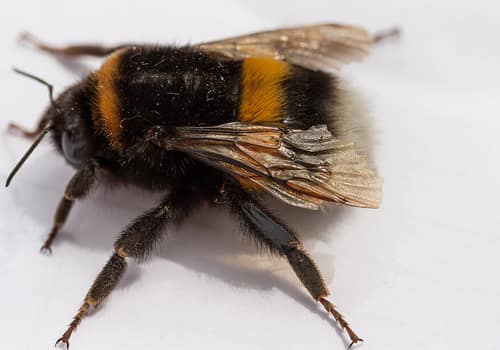
Pollinator Marco Almbauer / CC0 · cc0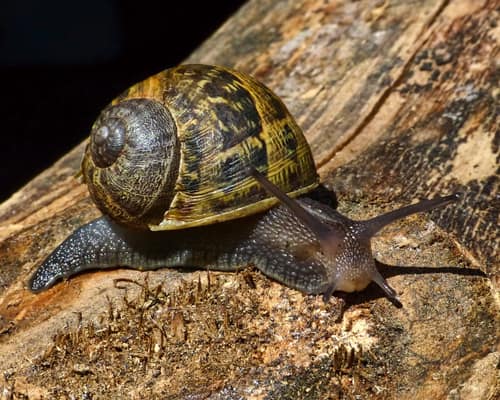
Herbivore "Garden Snail" by SidPix is licensed under CC BY 2.0. To view a copy of this license, visit https://creativecommons.org/licenses/by/2.0/. · cc-by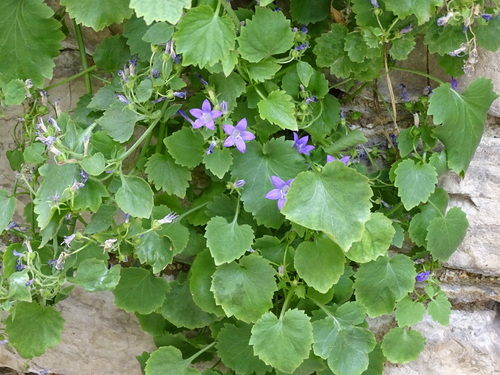
Close Relative (c) Christian Berg, some rights reserved (CC BY), uploaded by Christian Berg · cc-by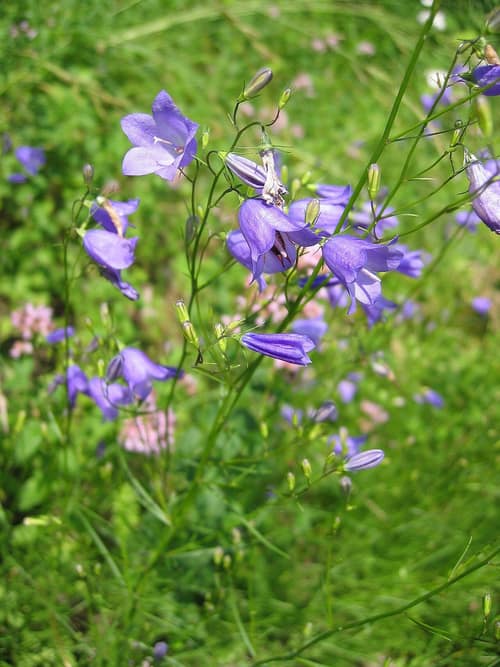
Close Relative Wikimedia Commons / CC BY-SA 3.0 · cc-by-sa
Help improve the field guideSomething wrong?
Checking your Fauna account…Report a name, category, or profile issue for review.