
Plant · GBIF taxon 5409500
Lilyleaf Ladybells
Adenophora liliifoliaAlso known as Lily-Leaved Ladybell, Ladybells
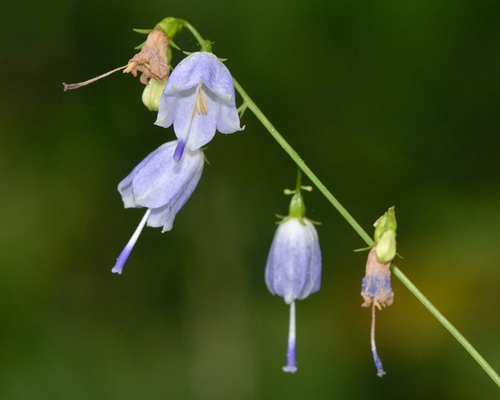
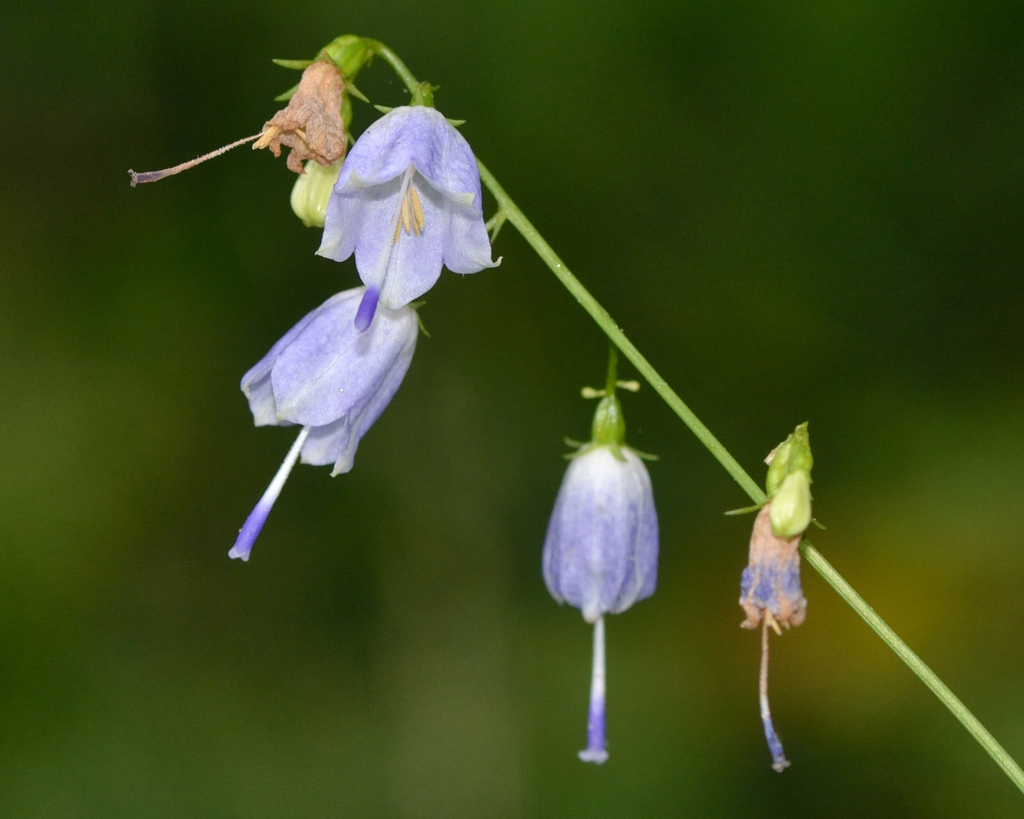
Lilyleaf Ladybells grace damp meadows and woodland clearings across Eurasia with slender stems bearing airy clusters of sweet-smelling, pale blue or violet bell flowers. Unlike true bellflowers, this perennial possesses a distinctive tubular nectary disk surrounding the base of the style, which protrudes beyond the delicate petals. Pollinators like bumblebees and hoverflies visit the fragrant blooms throughout midsummer before the plant sets seed in papery capsules.
Bell-flowerFragrantPerennial
—observations
—countries
—peak records
Least ConcernConservation statusIUCN Red List categoriesLCNTVUENCREWEXLeast ConcernRed List categories, explained →
Diet & prey
- Autotrophic (Photosynthetic)
Predators
- Deer
- Slugs
- Snails
ThreatsHabitat loss, agricultural intensification, scrub encroachment
HabitatsMoist meadows, forest edges, scrublands, river valleys
Life spanPerennial (5–15 years)
Size / weightNot available
Classification
- OrderAsterales
- FamilyCampanulaceae
- GenusAdenophora
- SpeciesAdenophora liliifolia
Range data is not available yet.
Interaction riskLow
- Low
- Moderate
- High
- Very high
- Why interaction risk is low
- Safe to observe at a normal distance.
- What to notice
- Recognized by light blue, scented, bell-shaped flowers with prominent styles protruding past the petals.
- Support conservation
- Enjoy and photograph without picking stems or disturbing soil around roots.
Responsible observation
- Best Viewing: Look for nodding light blue bells along sunny forest edges in high summer.
- Identification: Check for a thick, tube-like nectary disk enclosing the base of the style inside the flower.
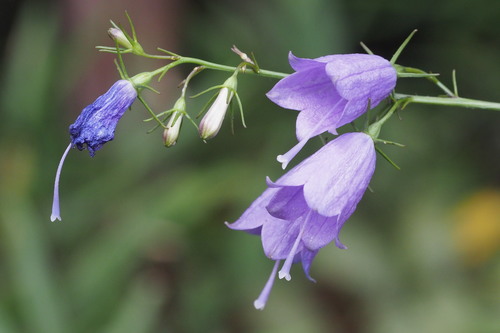
Genus Member (c) harum.koh, some rights reserved (CC BY-SA), uploaded by harum.koh · cc-by-sa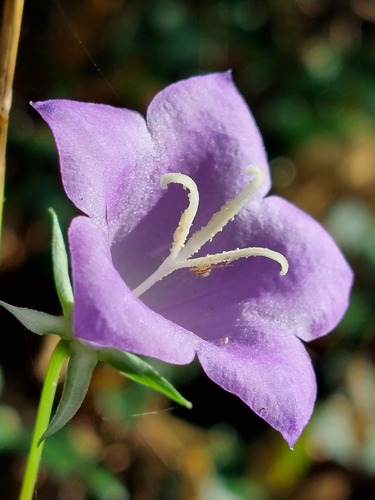
Close Relative (c) purperlibel, some rights reserved (CC BY-SA), uploaded by purperlibel · cc-by-sa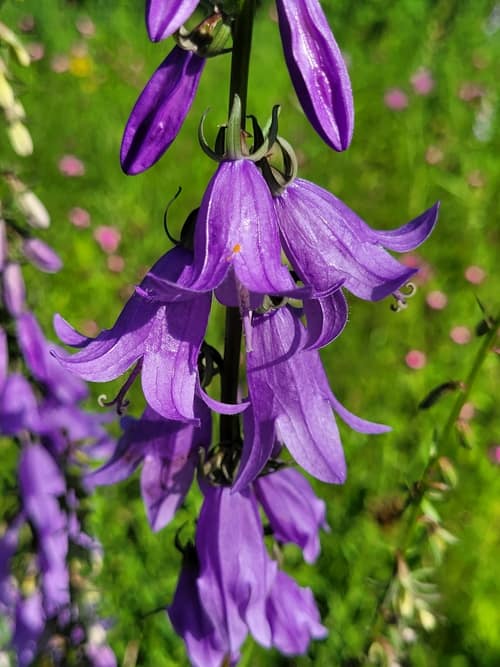
Close Relative (c) ahabo, some rights reserved (CC BY), uploaded by ahabo · cc-by
Help improve the field guideSomething wrong?
Checking your Fauna account…Report a name, category, or profile issue for review.