
Plant · GBIF taxon 5408269
Cardinal Flower
Lobelia cardinalisCardinal flower is a tall wetland perennial with vivid scarlet tubular flowers arranged along an upright spike. The deeply split lower petal forms three spreading lobes, and alternate finely toothed leaves line the stem.
wetland wildflowerscarlet bloomhummingbird pollinated
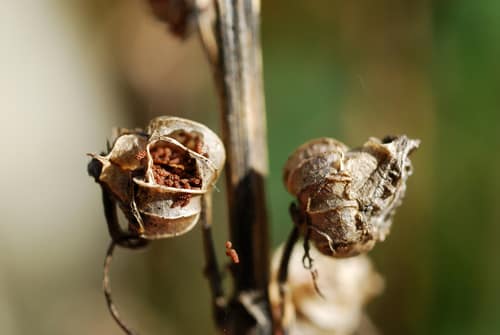
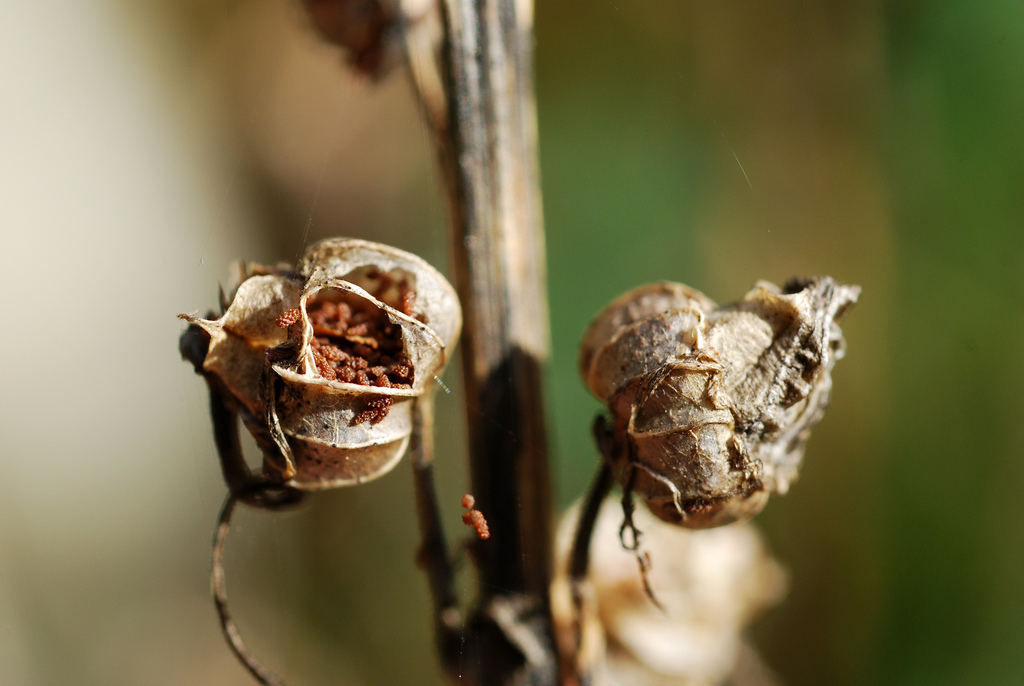 1 / 7
1 / 7—observations
—countries
—peak records
Least ConcernConservation statusIUCN Red List categoriesLCNTVUENCREWEXLeast ConcernRed List categories, explained →
Diet & prey
- Produces energy through photosynthesis and draws steady moisture through fibrous perennial roots
Predators
- slugs
- caterpillars
- grazing mammals
ThreatsWetland drainage, altered stream flow, invasive plants, trampling, and wild collection
HabitatsStreambanks, marsh edges, wet meadows, seeps, and shaded floodplain openings
Life spanA short-lived perennial that often maintains local colonies through basal offshoots
Size / weightNot available
Classification
- OrderAsterales
- FamilyCampanulaceae
- GenusLobelia
- SpeciesLobelia cardinalis
Range data is not available yet.
Interaction riskHigh
- Low
- Moderate
- High
- Very high
- Why interaction risk is high
- Lobelia tissues contain alkaloids that can cause serious illness if swallowed.
- Why it is dangerous
- Lobelia alkaloids can cause nausea, weakness, breathing problems, and other toxic effects after ingestion.
- How to recognize a risky encounter
- Confirm an upright wetland herb with alternate leaves and brilliant red two-lipped flowers.
- What to do
- Do not taste any part, prevent pet access, and wash hands after necessary contact with damaged tissues.
Responsible observation
- Identify: Look for a spike of intensely red flowers with three lower lobes.
- Protect: Stay on firm ground and leave streamside stems rooted in place.
Help improve the field guideSomething wrong?
Checking your Fauna account…Report a name, category, or profile issue for review.