
Plant · GBIF taxon 5407583
Ylang Ylang
Cananga odorataAlso known as Perfume Tree, Macassar Oil Tree, Cananga, Kenanga
Ylang Ylang grows as a fast-growing tropical tree with drooping branches and long, star-shaped yellow flowers that emit an extraordinarily sweet, spicy fragrance. The blossoms open pale green, turning bright yellow as they mature, peaking in scent at night to attract pollinating beetles and moths. Frugivorous forest birds feed on the small dark fruit clusters, helping disperse seeds across tropical forest edges.
FragrantTropicalTree
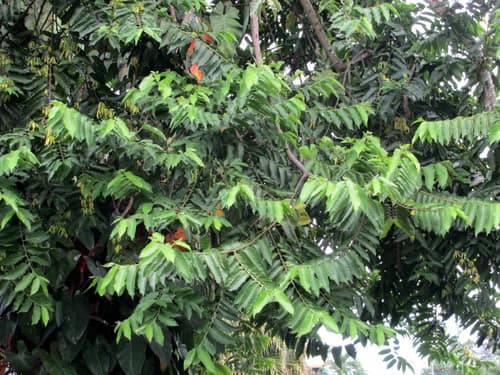
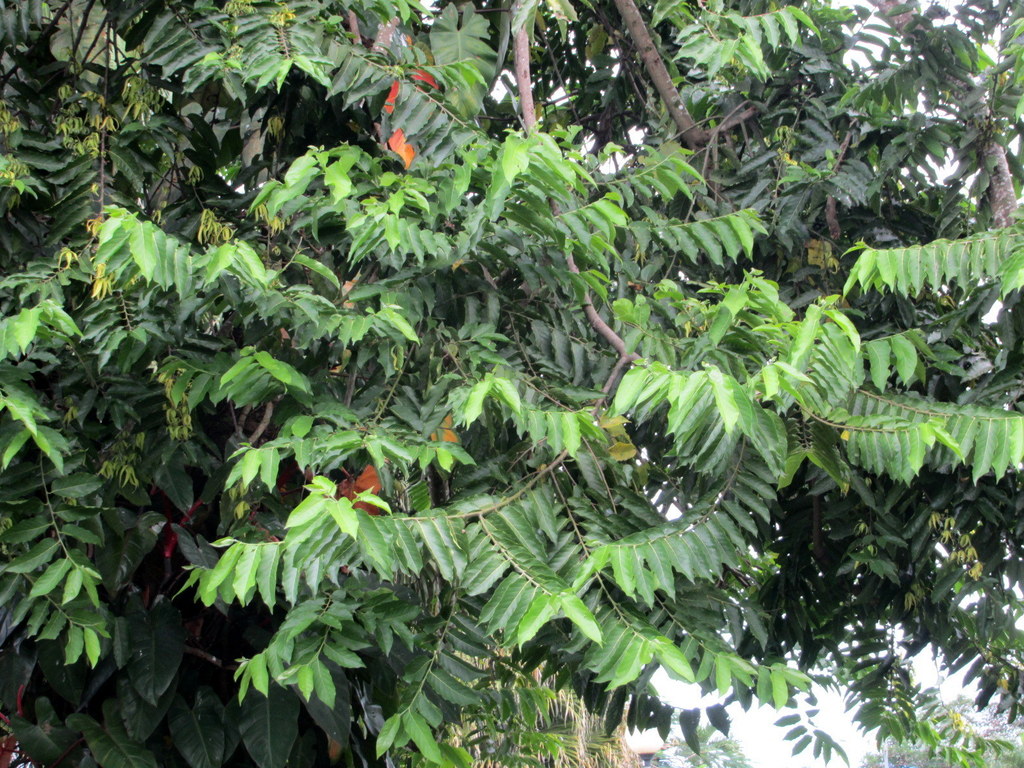
—observations
—countries
—peak records
Least ConcernConservation statusIUCN Red List categoriesLCNTVUENCREWEXLeast ConcernRed List categories, explained →
Diet & prey
- Autotrophic
Predators
- Caterpillars
- Beetle Larvae
- Frugivorous Birds
ThreatsDeforestation, Habitat Degradation
HabitatsTropical Rainforests, Forest Margins, Lowland Woodlands
Life span50–80 years
Size / weightNot available
Classification
- FamilyAnnonaceae
- SpeciesCananga odorata
Range data is not available yet.
Interaction riskHigh
- Low
- Moderate
- High
- Very high
- Why interaction risk is high
- Plant parts are toxic to pets if ingested; wild fruits have toxic look-alikes.
Responsible observation
- Scent Observation: Smell blossoms early in the morning when fragrance production is highest.
- Petal Inspection: Look for six long, yellowish, ribbon-like petals drooping in loose clusters.
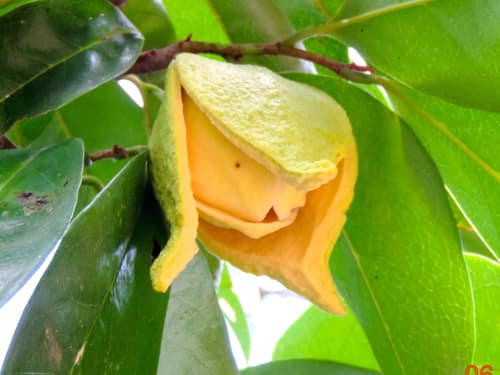
Close Relative (c) Francisco Farriols Sarabia, some rights reserved (CC BY), uploaded by Francisco Farriols Sarabia · cc-by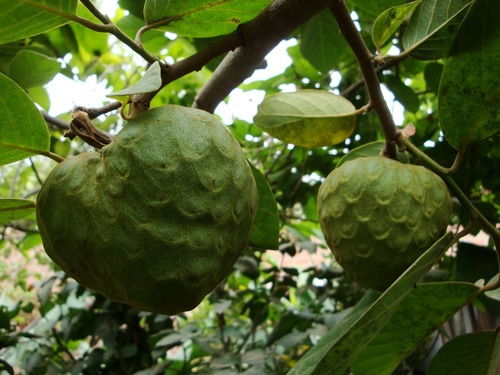
Close Relative (c) Areyes97, some rights reserved (CC BY-SA) · cc-by-sa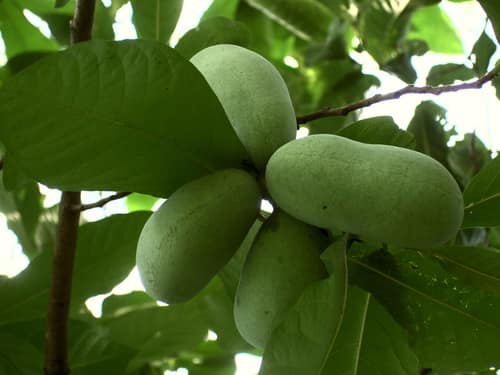
Temperate Relative (c) Wendell Smith, some rights reserved (CC BY) · cc-by
Help improve the field guideSomething wrong?
Checking your Fauna account…Report a name, category, or profile issue for review.