
Plant · GBIF taxon 5406817
Nutmeg
Myristica fragransAlso known as Fragrant Nutmeg
Nutmeg is an aromatic evergreen tree with glossy leaves and small pale flowers. Its seed is enclosed by a distinctive red aril, but wild material should never be consumed from an identification alone.
Evergreen TreeAromatic SeedTropical Canopy
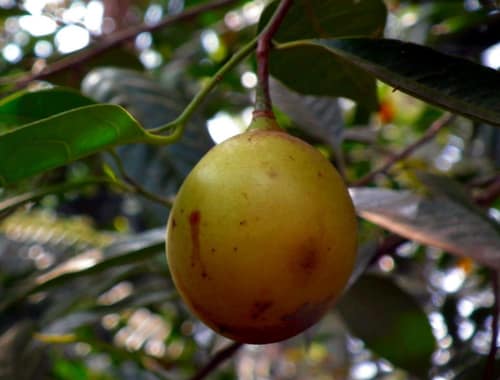
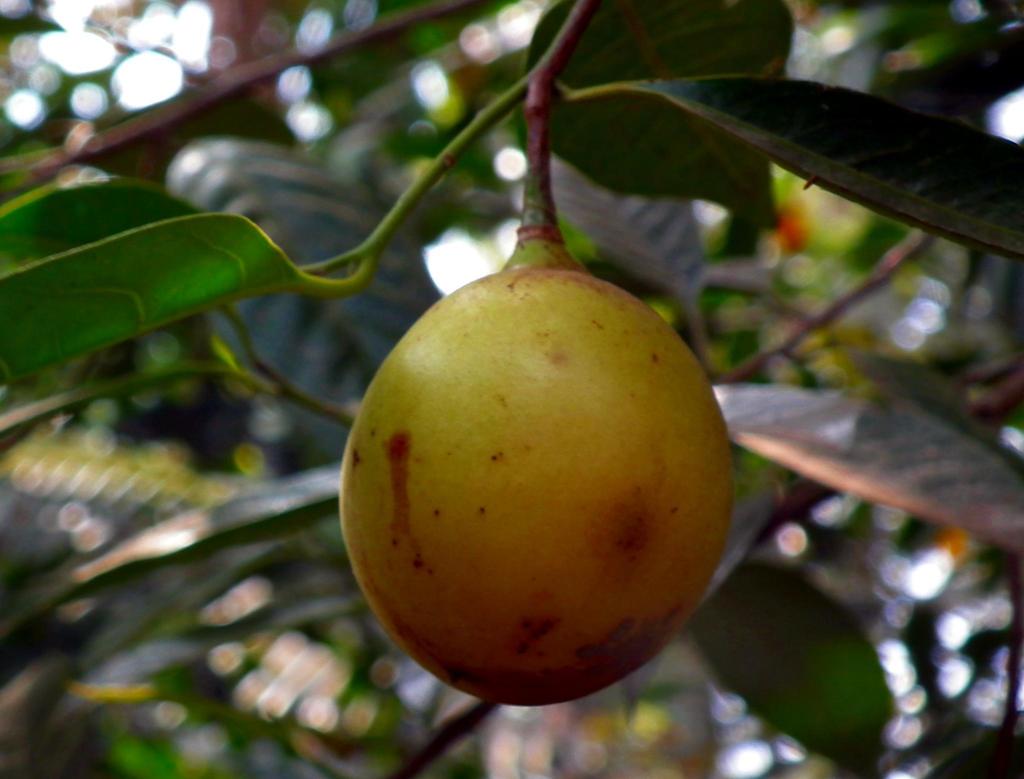
Licensed reference(c) Ramesh NG, some rights reserved (CC BY-SA) · cc-by-sa
—observations
—countries
—peak records
Data DeficientConservation statusIUCN Red List categoriesLCNTVUENCREWEXData Deficient — not placed on the risk ladderRed List categories, explained →
Diet & prey
- Photosynthesis; roots absorb water and mineral nutrients
Predators
- Seed-eating mammals
- Fruit-feeding birds
- Sap-feeding insects
ThreatsForest loss, genetic erosion in cultivation, storms, and plant disease
HabitatsHumid tropical forest and cultivated tropical groves
Life spanProductive for many decades and may live beyond 60 years
Size / weightNot available
Classification
- FamilyMyristicaceae
- SpeciesMyristica fragrans
Range data is not available yet.
Interaction riskHigh
- Low
- Moderate
- High
- Very high
- Why interaction risk is high
- Look-alikes are easily misidentified; do not eat wild material, and large nutmeg doses can be toxic.
- Why it is dangerous
- Concentrated or large amounts can cause serious neurological and cardiovascular poisoning.
- How to recognize a risky encounter
- Confirm the evergreen tree and red-latticed aril using expert botanical characters, not aroma alone.
- What to do
- Do not taste wild material or make preparations; contact poison services after a significant ingestion.
Responsible observation
- Leaves: Note the glossy, aromatic evergreen foliage without crushing it.
- Ground: View fallen seed structures but leave them in place.
Help improve the field guideSomething wrong?
Checking your Fauna account…Report a name, category, or profile issue for review.